华南理工大学学报(自然科学版) ›› 2025, Vol. 53 ›› Issue (7): 126-138.doi: 10.12141/j.issn.1000-565X.240454

• 土木建筑工程 • 上一篇    下一篇

带可更换耗能节点的人字形支撑钢框架抗震性能试验研究

马宏伟1, 李明1, 熊伟2,3, 黄忠海4, 许嘉鑫1, 何文辉1   

  1. 1.华南理工大学 土木与交通学院,广东 广州 510640
    2.广州建筑股份有限公司,广东 广州 510288
    3.中国广州国际经济技术合作有限公司,广东 广州 510180
    4.广州容柏生建筑结构设计事务所,广东 广州 510170
  • 收稿日期:2024-09-11 出版日期:2025-07-25 发布日期:2025-02-28
  • 通信作者: 何文辉(1975—),男,博士,讲师,主要从事钢结构研究。 E-mail:hwma@scut.edu.cn;ctwhhe@scut.edu.cn
  • 作者简介:马宏伟(1973—),男,博士,副教授,主要从事钢结构和组合结构研究。E-mail: hwma@scut.edu.cn
  • 基金资助:
    广州市建筑集团有限公司科技计划项目(BH20240321833);广东省科技计划项目(2020B0202010008)

Experimental Study on Seismic Performance of Chevron Braced Steel Frames with Replaceable Energy Dissipation Joints

MA Hongwei1, LI Ming1, XIONG Wei2,3, HUANG Zhonghai4, XU Jiaxin1, HE Wenhui1   

  1. 1.School of Civil Engineering and Transportation,South China University of Technology,Guangzhou 510640,Guangdong,China
    2.Guangzhou Construction Co. ,Ltd. ,Guangzhou 510288,Guangdong,China
    3.China Guangzhou International Economic and Technical Cooperation Co. ,Ltd. ,Guangzhou 510180,Guangdong,China
    4.RBS Architectural Engineering Design Associates,Guangzhou 510170,Guangdong,China
  • Received:2024-09-11 Online:2025-07-25 Published:2025-02-28
  • Contact: 何文辉(1975—),男,博士,讲师,主要从事钢结构研究。 E-mail:hwma@scut.edu.cn;ctwhhe@scut.edu.cn
  • About author:马宏伟(1973—),男,博士,副教授,主要从事钢结构和组合结构研究。E-mail: hwma@scut.edu.cn
  • Supported by:
    the Guangdong S & T Program(2020B0202010008)

摘要:

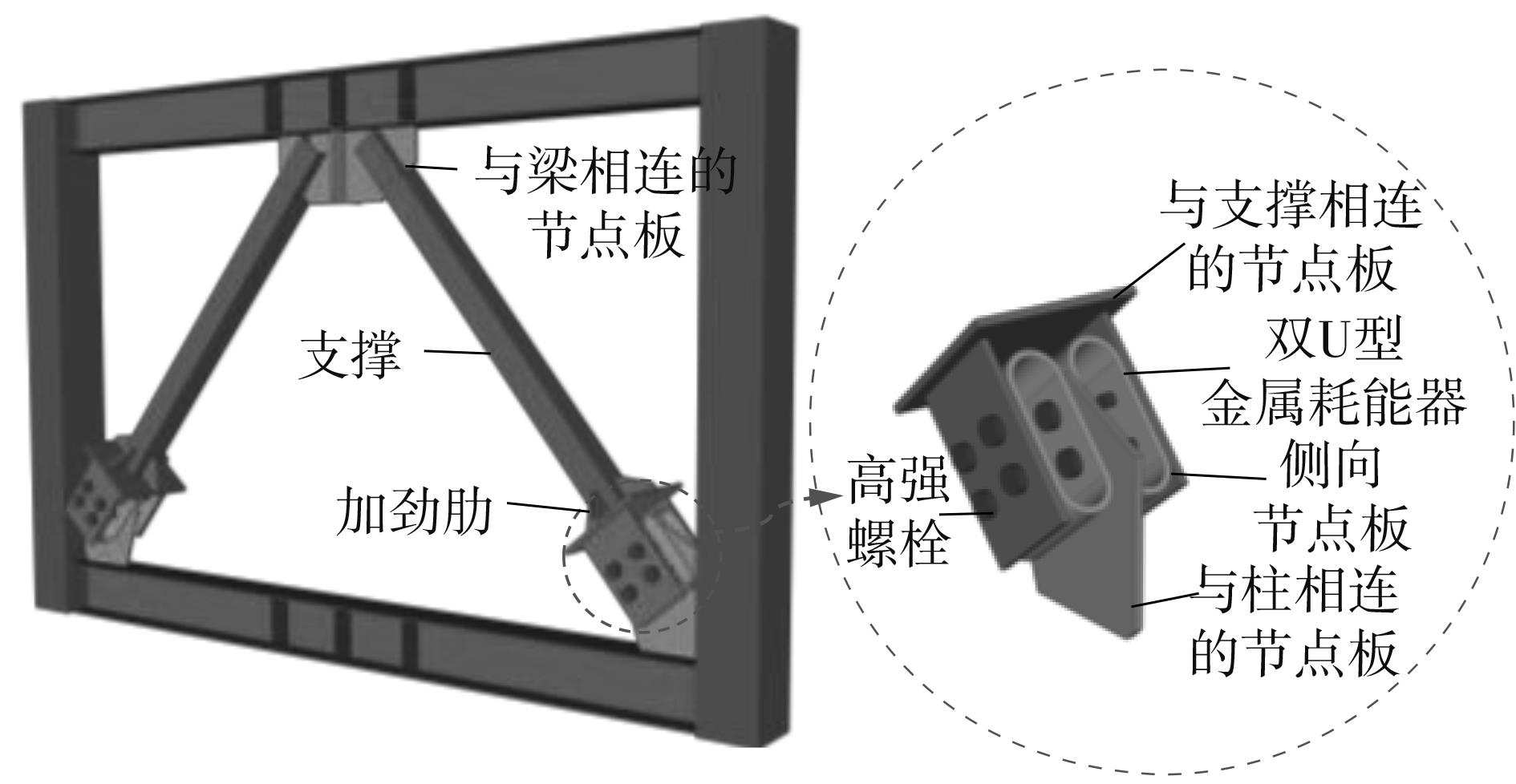
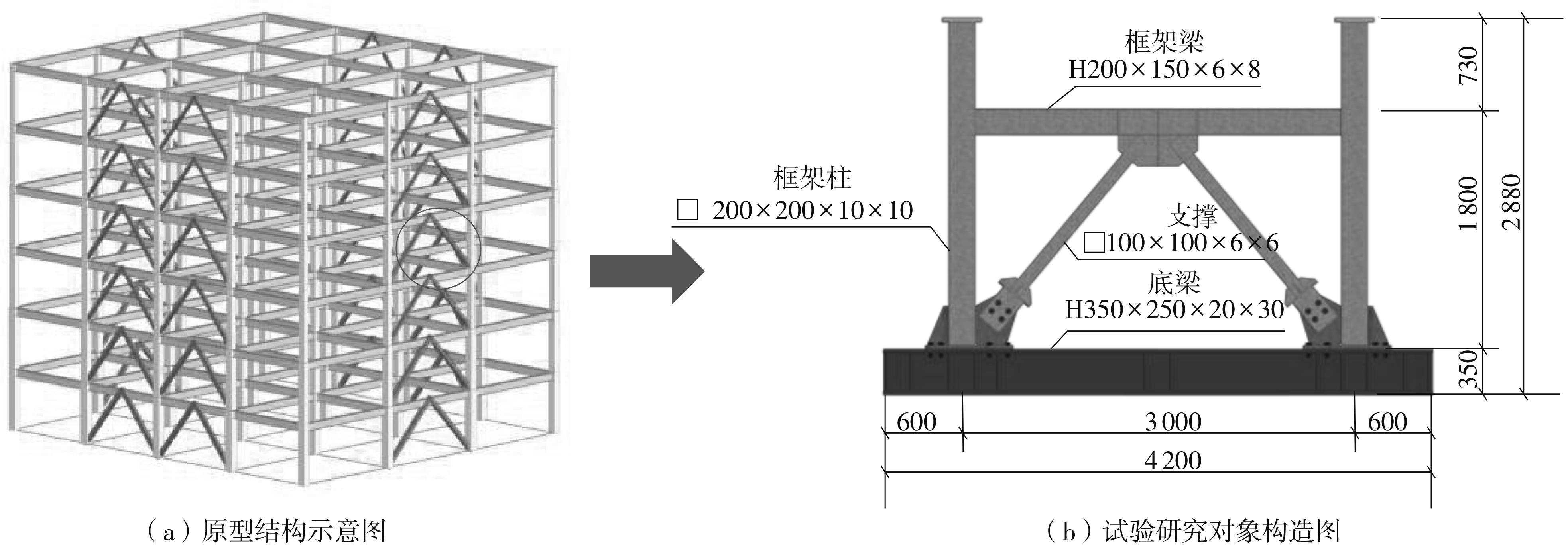
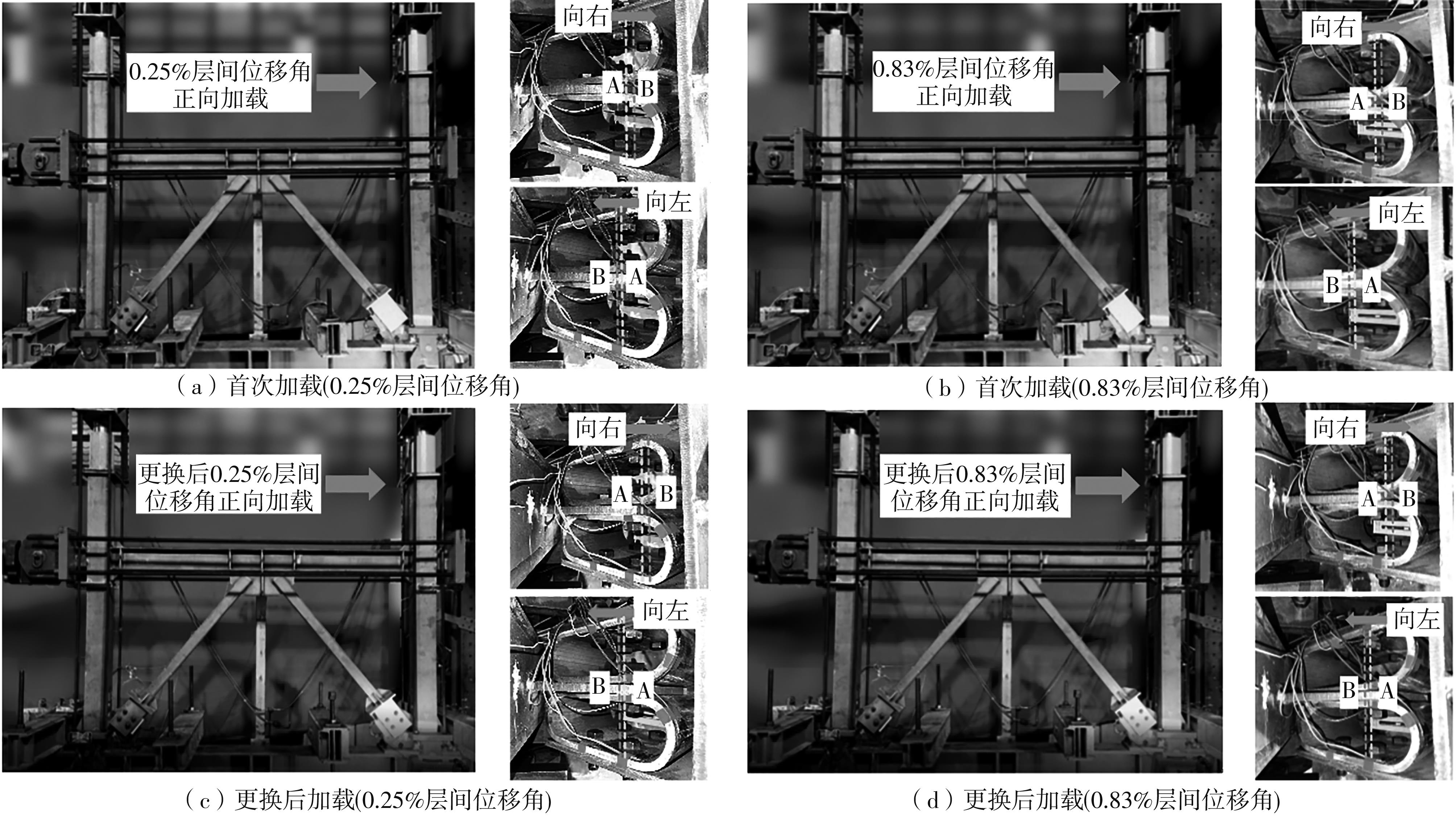
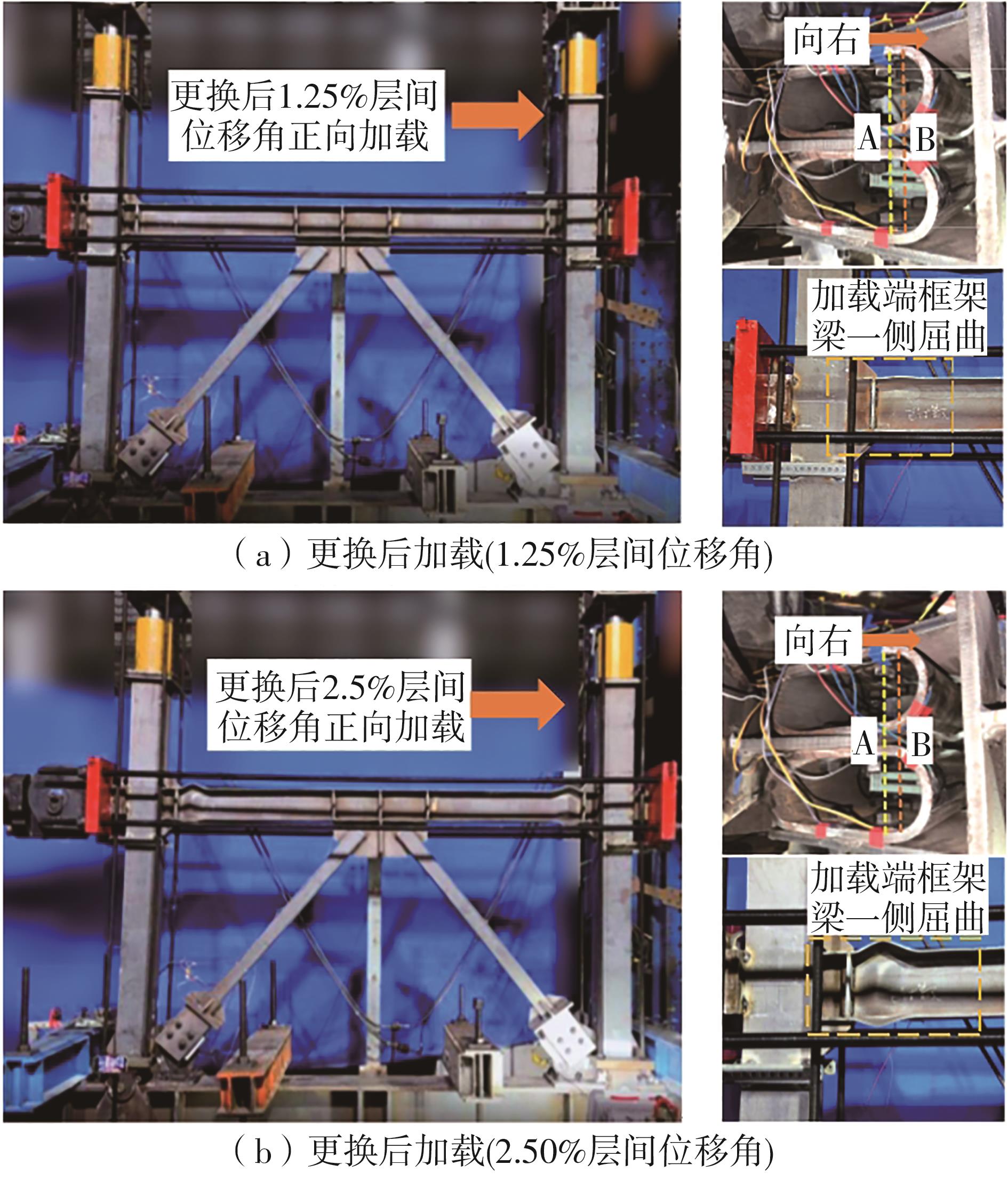
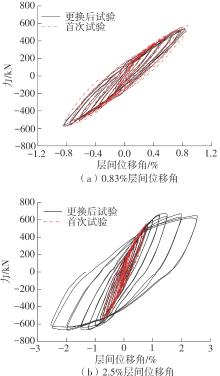
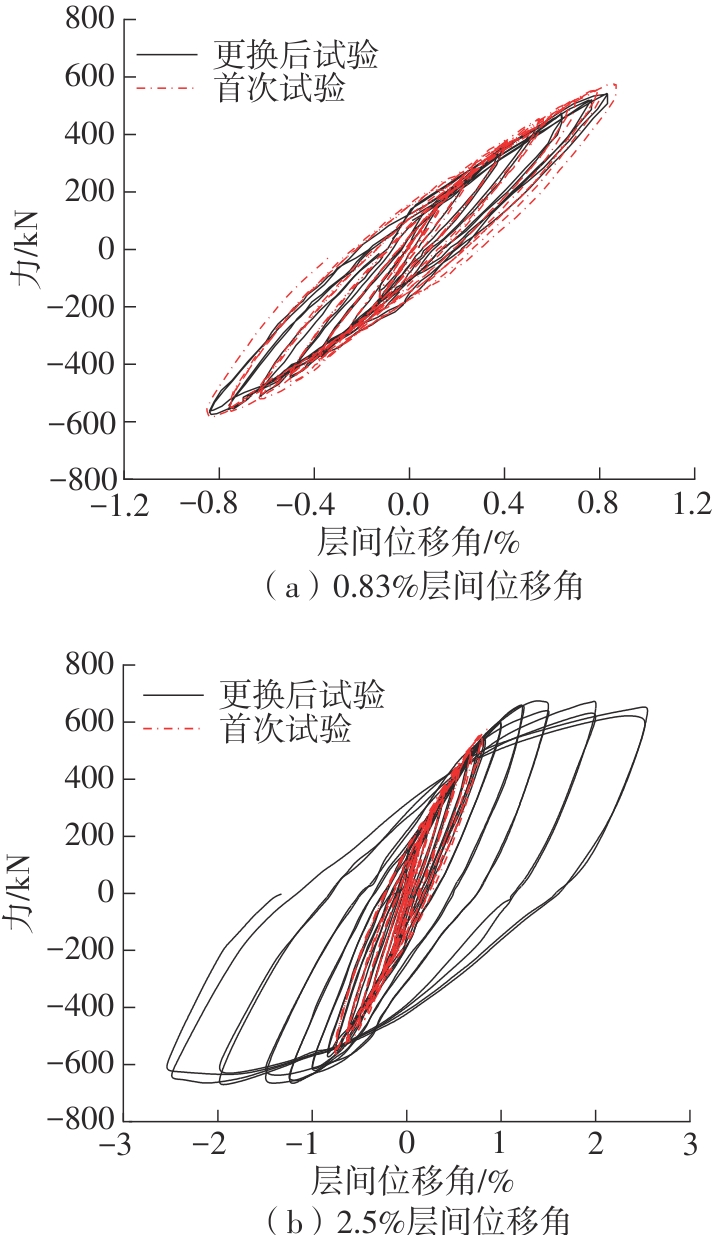
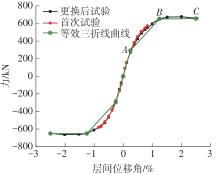
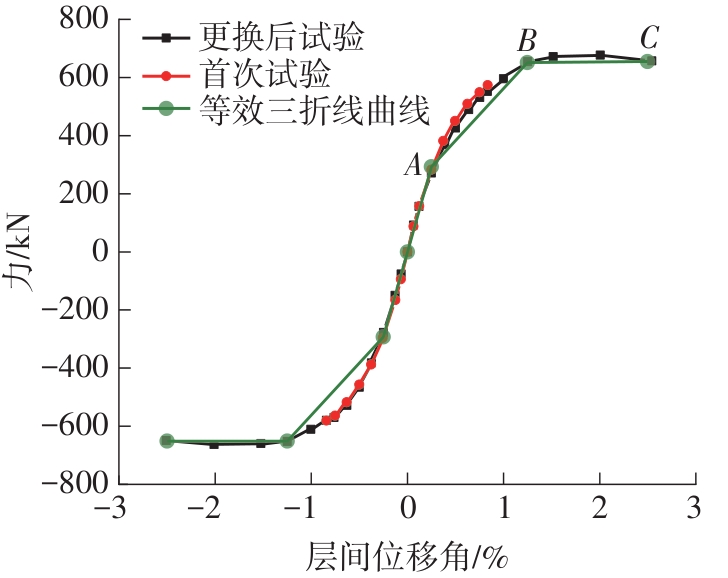
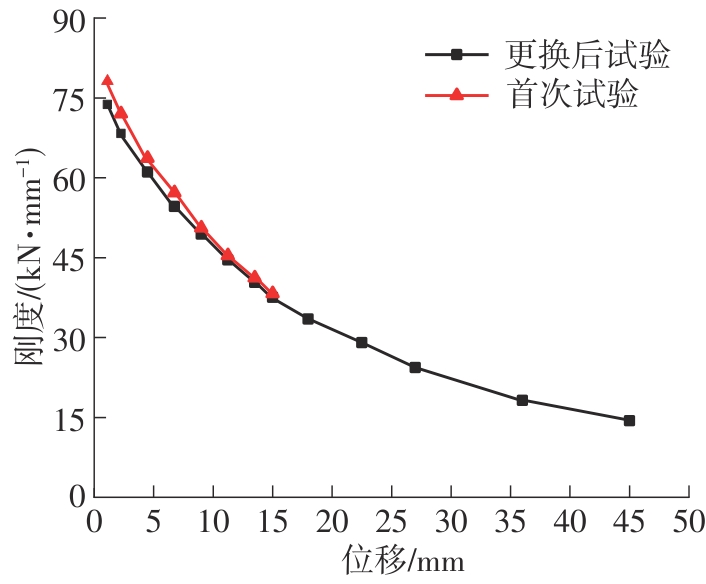
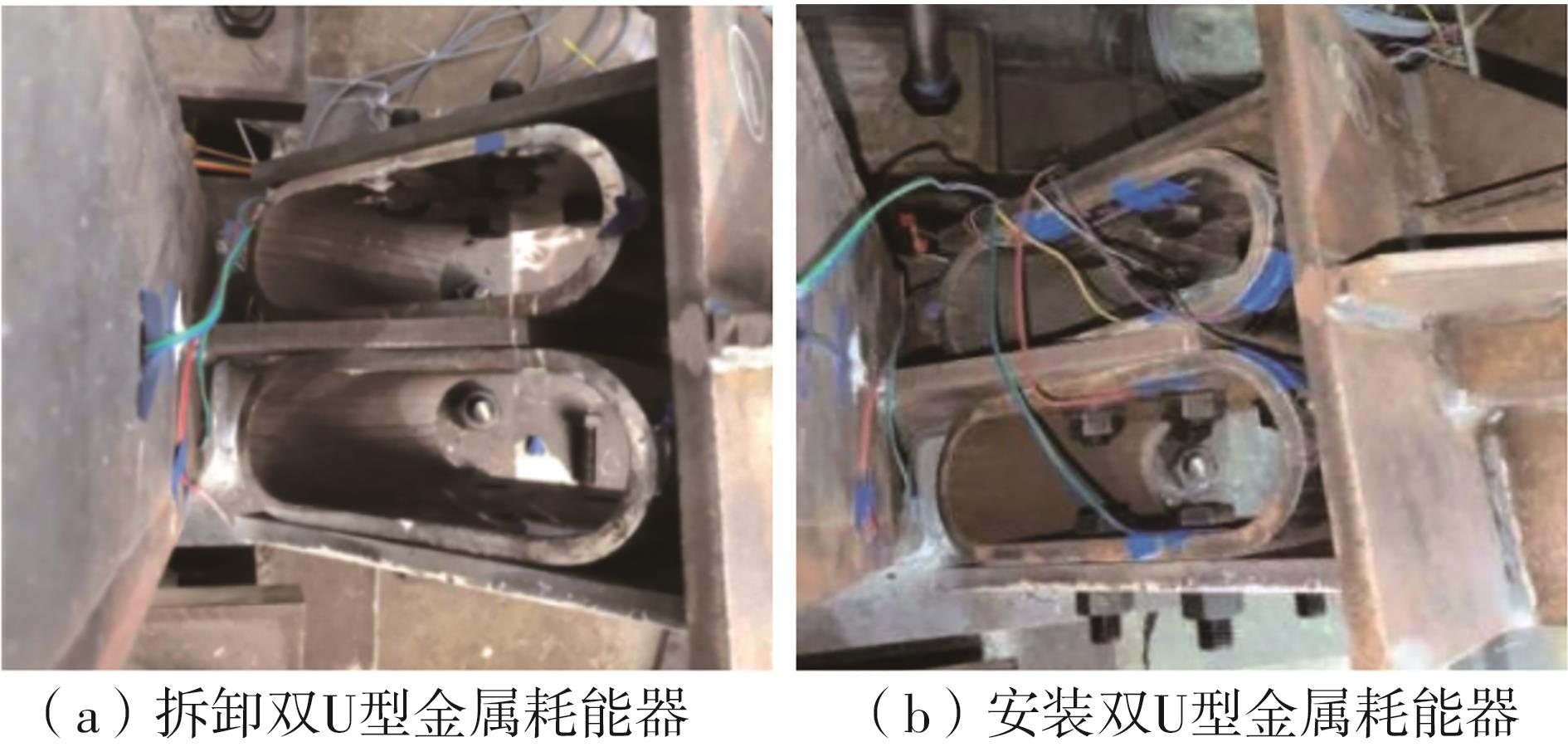
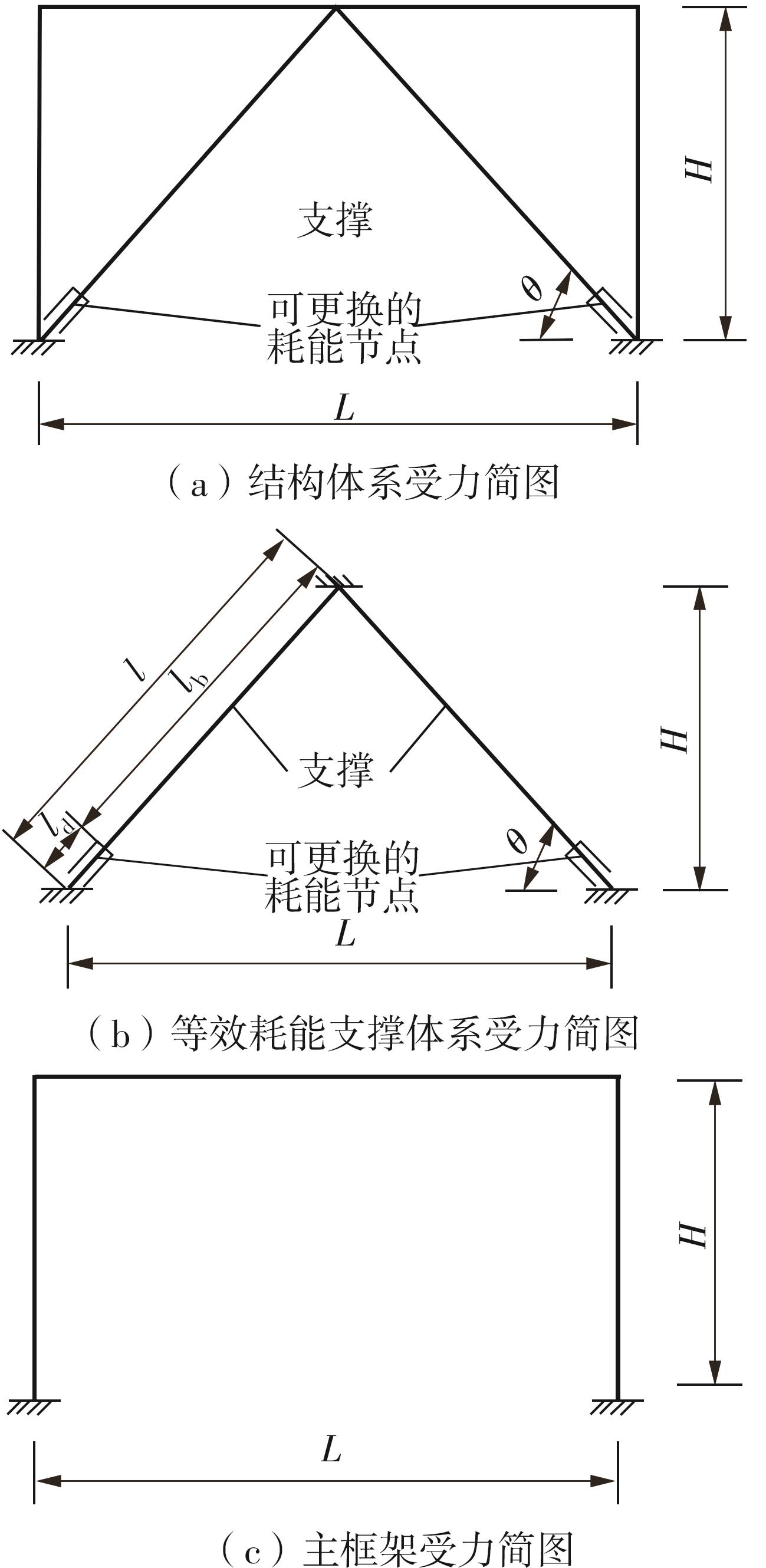
为实现结构震后快速修复,基于损伤可控和耗能元件可更换的设计理念,提出了一种带可更换耗能节点的人字形支撑钢框架结构,其中可更换耗能节点由两个双U型金属耗能器、节点板、支撑端板、高强螺栓组成。为研究该结构的抗震性能和震后修复性能,对1/2缩尺的单层单跨的子结构试件进行拟静力试验及修复后的拟静力试验,研究并对比了首次和修复后加载试验中试件的滞回曲线、骨架曲线、应力应变曲线和延性等性能指标。结果表明:首次和修复后加载试验中,试件滞回曲线饱满,具有理想的耗能能力;试件的塑性损伤主要集中在可更换耗能节点处,主体结构基本保持弹性;首次试验加载至0.83%层间位移角后结束加载,结构残余位移角为0.28%,更换耗能节点后的结构与修复前的结构力学性能相似,其滞回曲线、骨架曲线和刚度退化曲线吻合较好。建立了带可更换耗能节点的人字形支撑钢框架简化的分析计算模型,基于变形协调关系推导了结构弹性抗侧刚度计算公式,提出了双U型金属耗能器屈服时结构的承载力计算公式,结构弹性抗侧刚度计算结果与试验结果最大相差为3.72%,双U型金属耗能器屈服时结构的水平承载力计算结果与试验结果最大相差为9.41%。

关键词: 可更换耗能节点, 人字形支撑钢框架, 拟静力试验, 抗震性能

Abstract:

To achieve rapid post-earthquake repair of structures, chevron braced steel frames with replaceable energy-dissipating joints was proposed based on the design concepts of controllable damage and replaceable energy dissipating components. The replaceable energy-dissipating joint consists of two double-U-shaped metal dissipaters, a gusset plate, a bracing end plate, and high-strength bolts. To investigate the seismic performance and post-earthquake reparability of the structure, quasi-static tests and post-repair quasi-static tests were conducted on a half-scale, single-story, single span substructure specimen. The hysteresis curves, skeleton curves, stress-strain curves and ductility indicators of the specimens were studied and compared between the initial and post-repair loading tests. The results show that the specimens exhibited full hysteresis loops and ideal energy dissipation capacity in both tests. Plastic damage was mainly concentrated at the replaceable energy-dissipating joints, while the main structure remained largely elastic. The initial loading test was terminated when the interstory drift angle reached 0.83%, with a residual drift angle of 0.28%. After replacing the energy-dissipating joints, the repaired structure exhibited mechanical performance similar to that before repair, with good agreement in the hysteresis curves, skeleton curves, and stiffness degradation curves. The simplified analytical models for chevron braced steel frames with replaceable energy-dissipating joints were established. Based on deformation compatibility relationships, a formula for calculating the elastic lateral stiffness of the structure was derived, and a formula for calculating the structural bearing capacity at the yielding of the double-U-shaped metal dissipaters was proposed. The calculated elastic lateral stiffness differed from the experimental results by a maximum of 3.72%, and the calculated horizontal bearing capacity at the yielding of the double-U-shaped metal dampers differed from the experimental results by a maximum of 9.41%.

Key words: replaceable energy-dissipating joint, chevron braced steel frame, quasi static test, seismic performance

中图分类号: