华南理工大学学报(自然科学版) ›› 2025, Vol. 53 ›› Issue (7): 116-125.doi: 10.12141/j.issn.1000-565X.240349

• 交通安全 • 上一篇    下一篇

开口位置对高速列车车厢内火灾演化规律的影响

周之涵, 郗艳红, 毛军, 于桂兰   

  1. 北京交通大学 土木建筑工程学院,北京 100091
  • 收稿日期:2024-07-01 出版日期:2025-07-25 发布日期:2024-12-13
  • 作者简介:周之涵(1994—),男,博士生,主要从事火灾安全控制及行车安全等研究。E-mail: 1397981554@qq.com
  • 基金资助:
    国家自然科学基金项目(52072027);内蒙古自然科学基金项目(2023LHMS01010);北京交通大学中央高校基本科研业务费重点项目(2024JBZY025)

Effect of Opening Positions on Fire Evolution in High-Speed Train Carriages

ZHOU Zhihan, XI Yanhong, MAO Jun, YU Guilan   

  1. School or Cicil Engineering,Beijing Jiaotong University,Beijing 100044,China
  • Received:2024-07-01 Online:2025-07-25 Published:2024-12-13
  • About author:周之涵(1994—),男,博士生,主要从事火灾安全控制及行车安全等研究。E-mail: 1397981554@qq.com

  • Supported by:
    the National Natural Science Foundation of China(52072027);the Natural Science Fundation of Nei Mongol Autonomous Region(2023LHMS01010)

摘要:

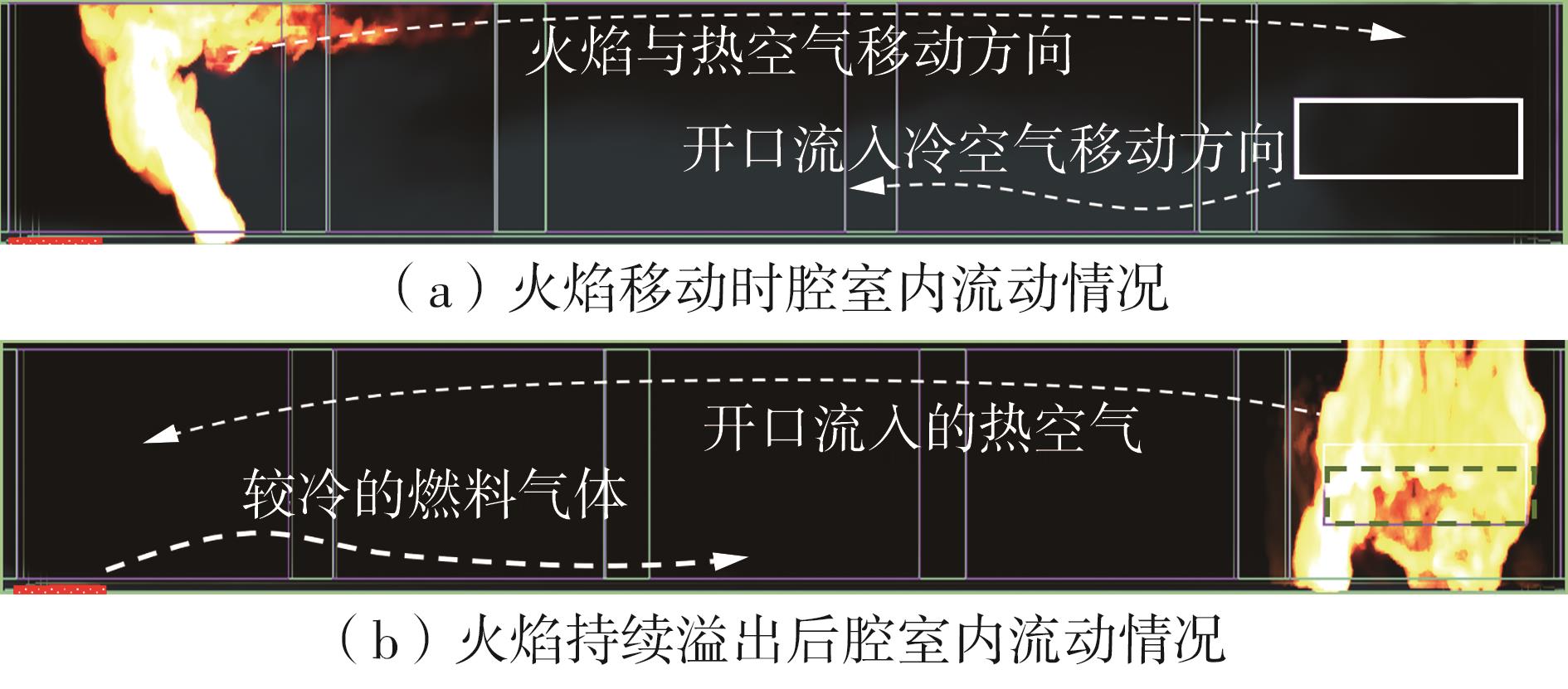
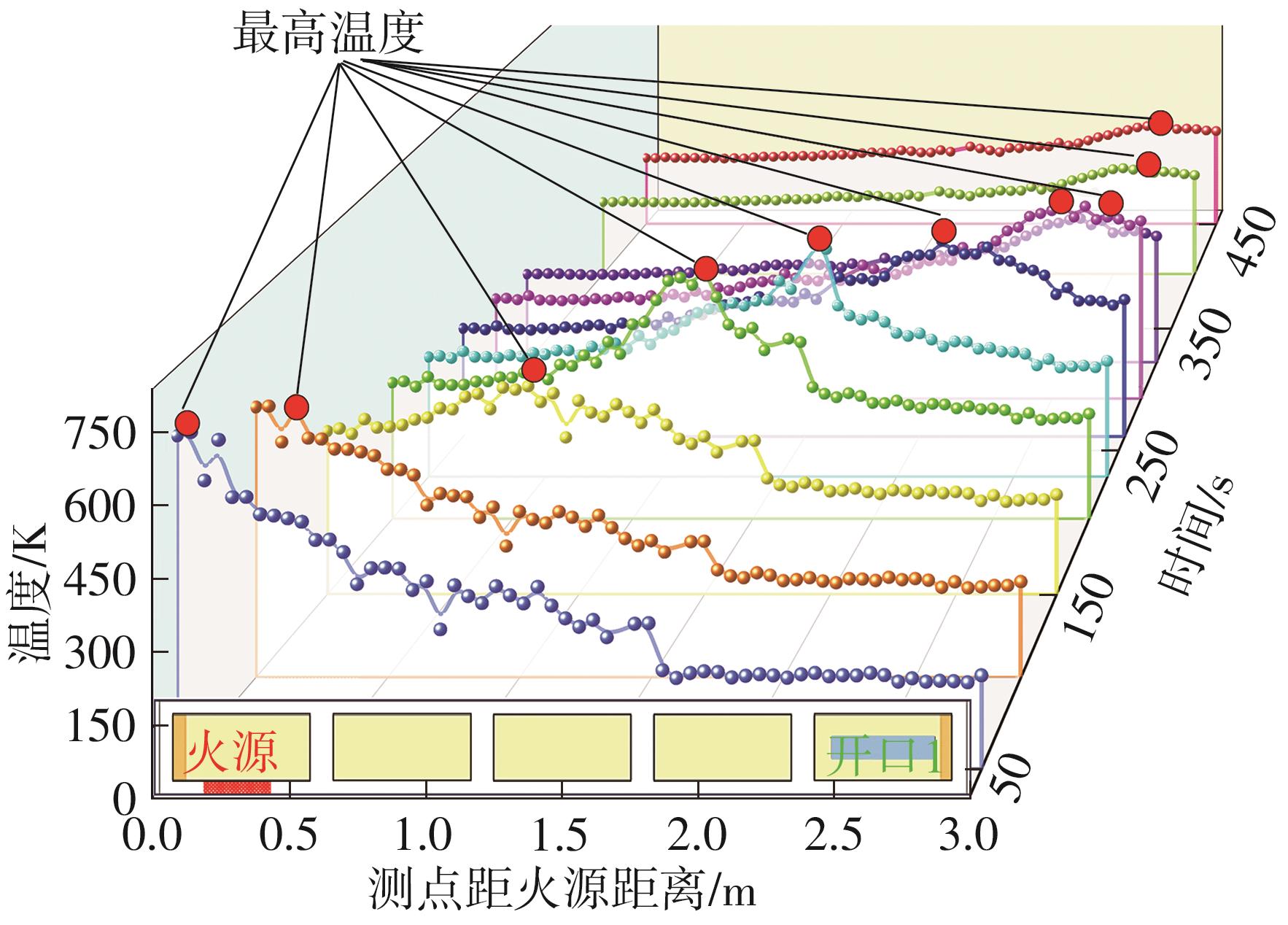
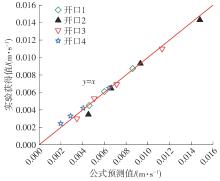
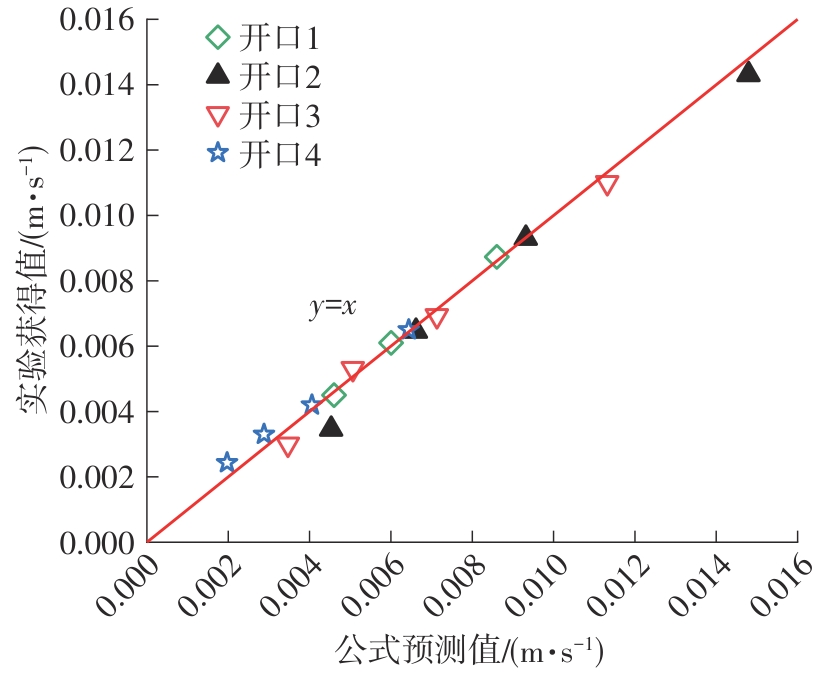
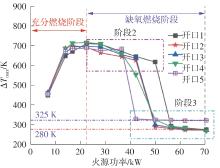
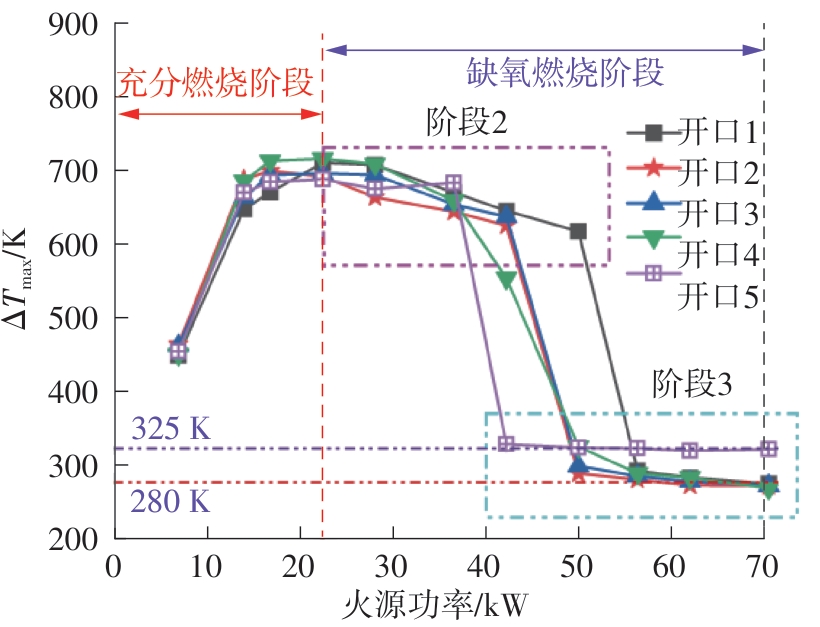
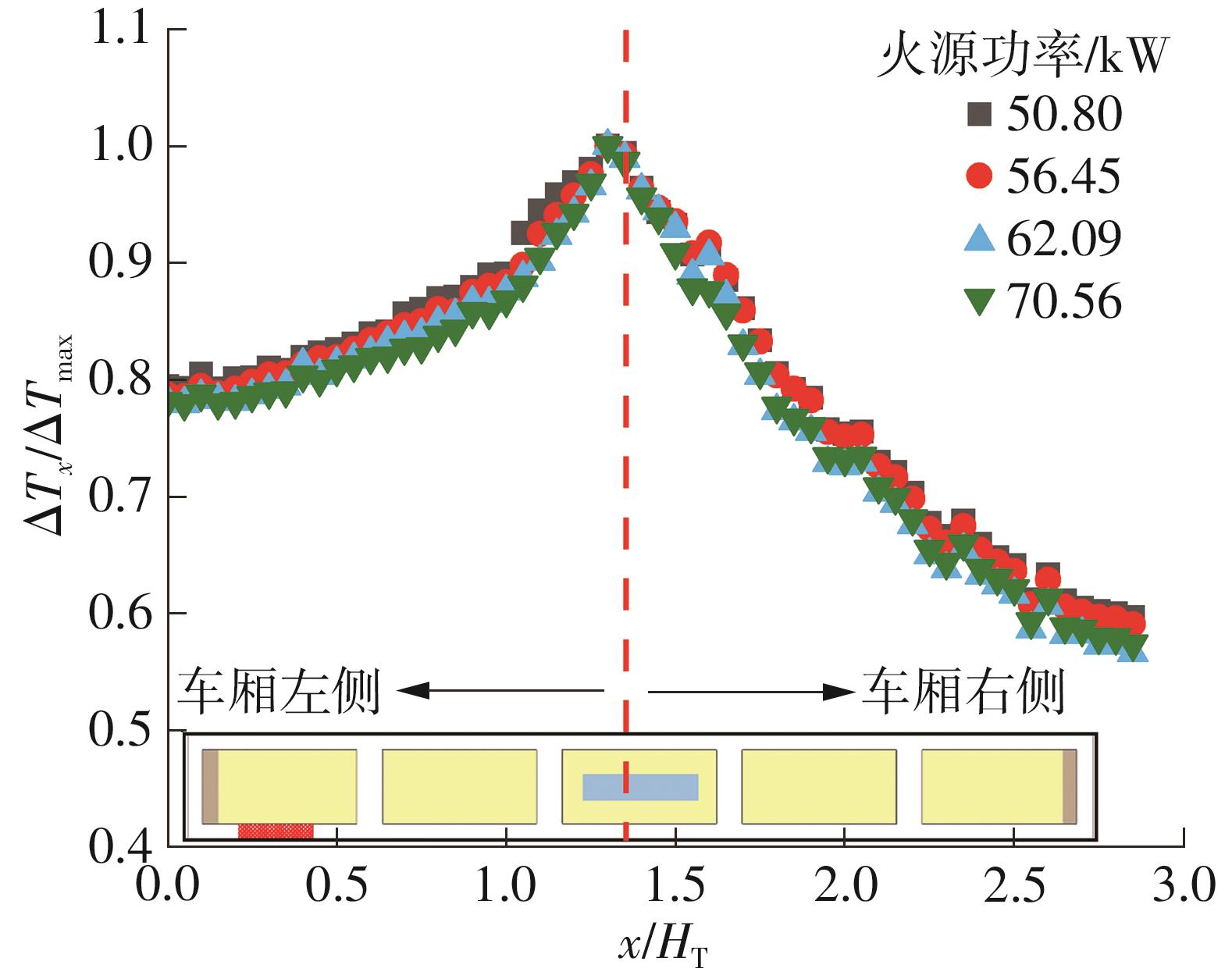
高速列车车厢内发生火灾时极易引起窗户破裂,从而形成侧向开口,显著影响火灾燃烧状态及温度分布。采用1∶8缩尺模型实验与数值模拟相结合的方法,研究不同的开口位置对车厢内火灾演化的影响,并定量研究了开口位置和火源功率共同影响下,高速列车车厢内部火焰移动速度及温度纵向衰减规律。结果表明:在各个开口位置,随着火源功率的增加,车厢内部火灾演化和开口处烟气/火焰均依次经历室内燃料充分燃烧阶段、缺氧燃烧阶段和持续溢流阶段;车厢内最高温度随火源功率的上升分为3种不同的趋势,首先随着火源功率的上升而上升,随后缓慢下降,最后急剧降低,这与车厢内的火焰演化规律一一对应。讨论了火源功率与开口位置对车厢内火焰移动速度的影响,并给出了火源移动速度的预测公式。结果表明:当火源功率为50.80 kW时,开口位置对火焰移动速度影响较小;当火源功率大于50.80 kW时,开口位置2-4时的火焰移动速度随着开口与火源距离的增大而减小,开口位置1的火焰移动速度最慢。该文研究了车厢内最高温度及开口位置两侧温度衰减规律,并建立了高速列车车厢火灾不同开口位置,开口左、右两侧的温度衰减预测模型,研究结果对于高速列车车厢火灾的防灾减灾具有一定的参考价值。

关键词: 高速列车火灾, 火焰演化, 开口火溢流, 火焰移动速度, 开口位置, 火源功率, 温度分布

Abstract:

During a fire in a high-speed train carriage, window breakage can create lateral openings, significantly affecting combustion behavior and temperature distribution. This study employed a combination of 1∶8 scaled model experiments and numerical simulations to investigate the influence of different opening positions on fire evolution inside the carriage. Additionally, it quantitatively analyzes the combined effects of opening position and heat release rate on flame propagation speed and longitudinal temperature attenuation. The results show that, for all opening positions, as the heat release rate increases, fire evolution and smoke/flame behavior at the openings undergo three distinct stages: (1) a fully developed combustion stage, (2) an oxygen-deficient combustion stage, and (3) a continuous overflow stage. The maximum internal temperature exhibits three trends with increasing heat release rate: an initial rise, followed by a gradual decline, and finally a sharp decrease, corresponding directly to fire development patterns within the carriage. The study further examines the effects of heat release rate and opening position on flame propagation speed and proposes a predictive formula for flame movement. The findings show that when the heat release rate is 50.80 kW, the opening position has minimal impact on flame propagation speed. However, when the heat release rate exceeds 50.80 kW, flame speed at opening position 2-4 decreases as the distance between the opening and the fire source increases, while opening position 1 exhibits the slowest flame propagation. Additionally, the study analyzed the maximum internal temperature and the temperature attenuation patterns on both sides of the openings, and established a predictive model for temperature attenuation at different opening positions in high-speed train carriage fires. The research findings provide valuable insights for fire prevention and mitigation strategies in high-speed train carriages.

Key words: high-speed train fires, flame evolution, spillover of opening fire, flame travel speed, opening position, fire source power, temperature distribution

中图分类号: