华南理工大学学报(自然科学版) ›› 2026, Vol. 54 ›› Issue (2): 77-90.doi: 10.12141/j.issn.1000-565X.250230

• 计算机科学与技术 • 上一篇    下一篇

基于逐通道空间自适应选择核卷积与双向边界感知机制的乳腺超声图像病变分割网络

王洁(), 李璐瑶   

  1. 北京工业大学 计算机学院,北京 100124
  • 收稿日期:2025-07-14 出版日期:2026-02-25 发布日期:2025-09-01
  • 作者简介:王洁(1972—),女,博士,副教授,主要从事逻辑程序设计、面向Agent的程序语言和深度学习研究。E-mail: wj@bjut.edu.cn
  • 基金资助:
    国家自然科学基金项目(62476015)

A Breast Ultrasound Images Lesion Segmentation Network Based on Channel-Wise Spatially Adaptive Selective Kernel Convolution and Bidirectional Boundary-Aware Mechanism

WANG Jie(), LI Luyao   

  1. School of Computer Science,Beijing University of Technology,Beijing 100124,China
  • Received:2025-07-14 Online:2026-02-25 Published:2025-09-01
  • Supported by:
    the National Natural Science Foundation of China(62476015)

摘要:

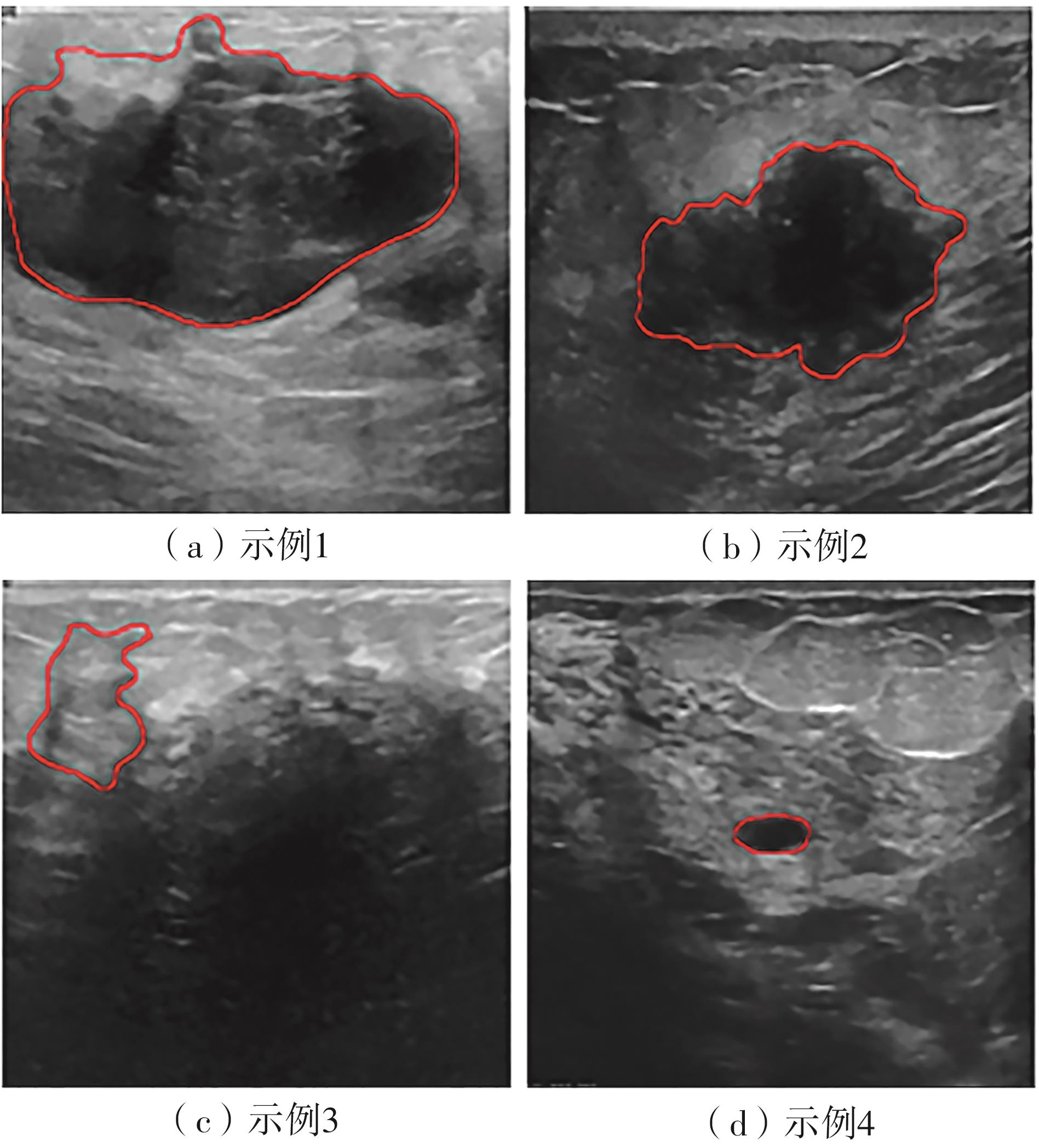
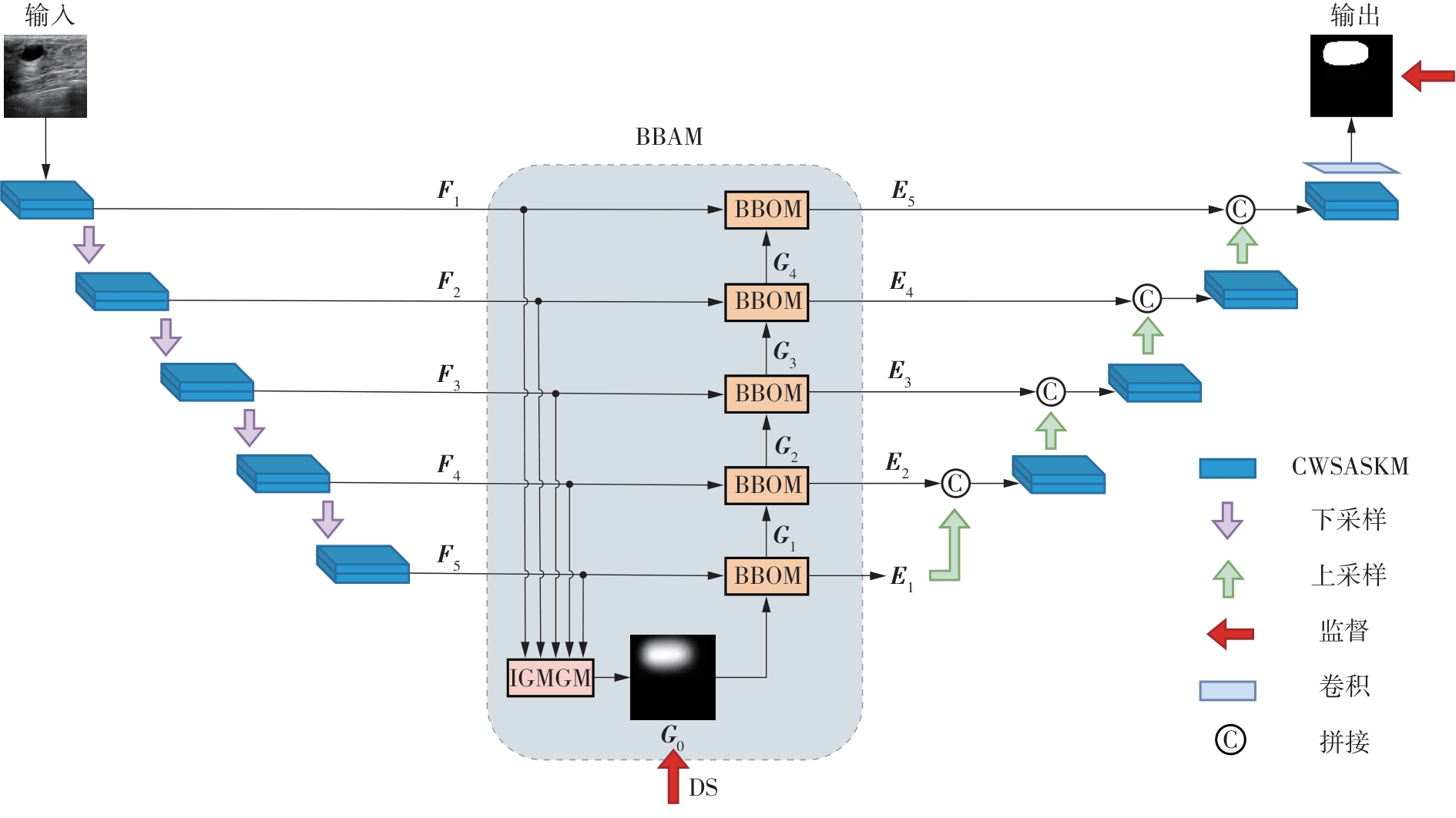
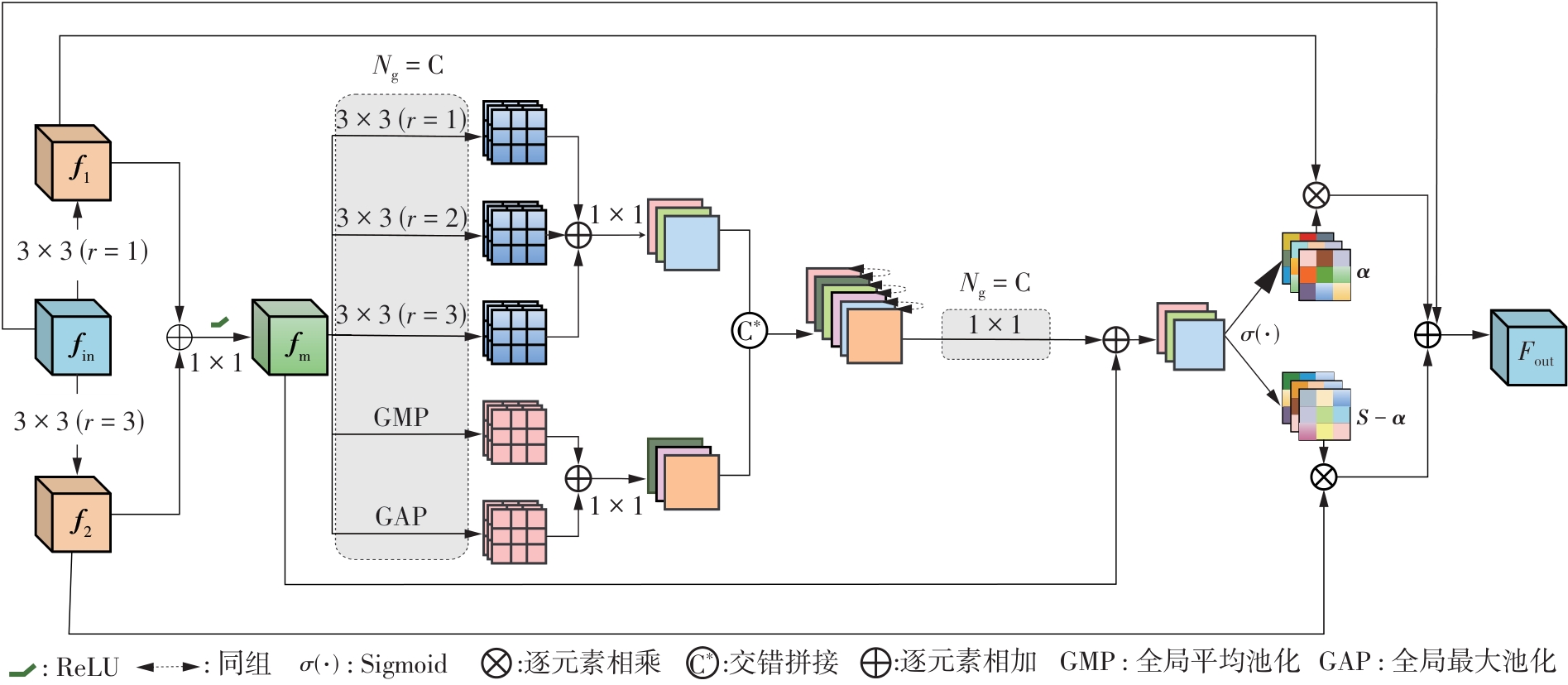
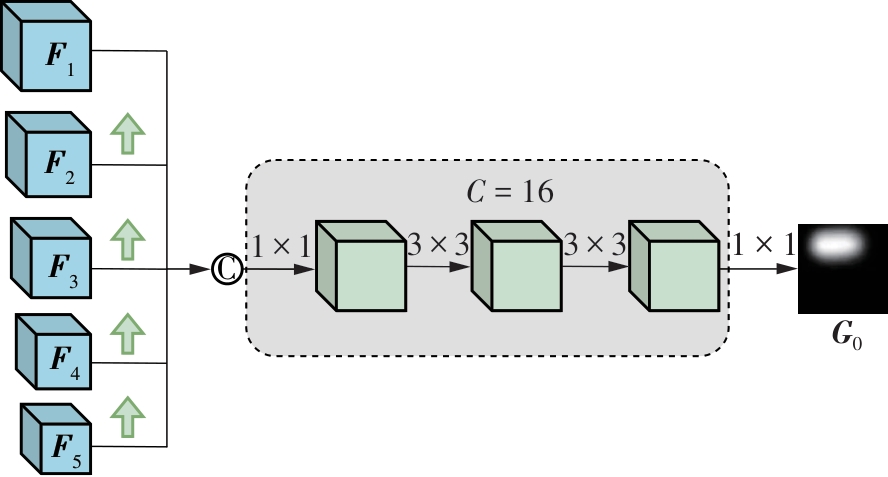
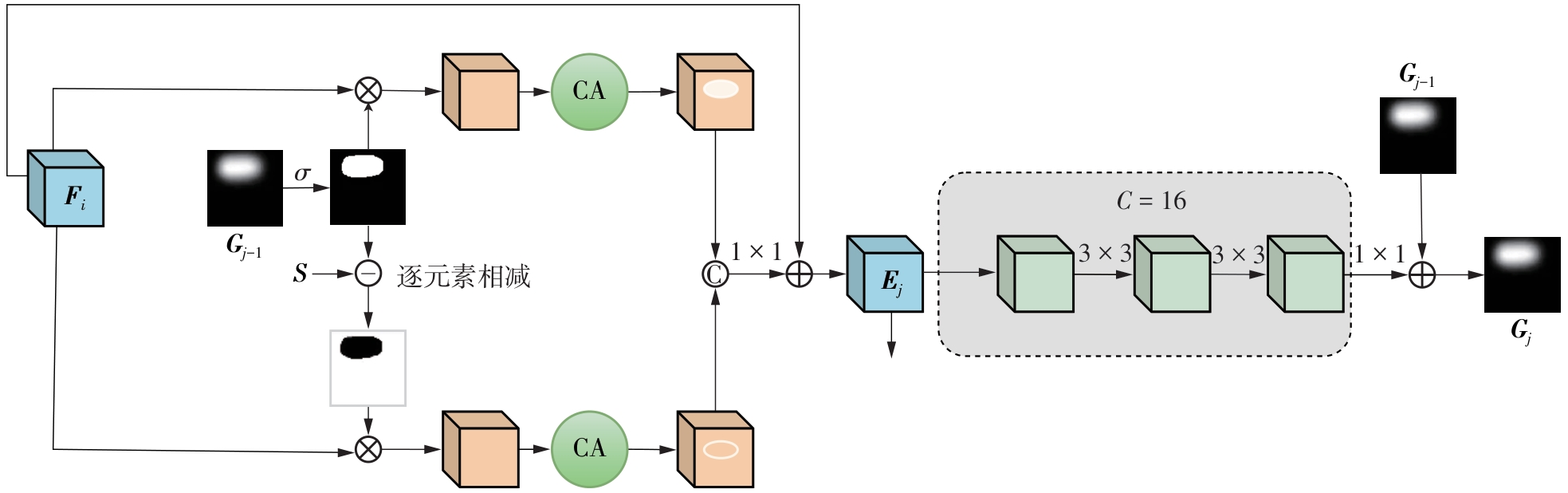
乳腺癌是全球女性最常见的恶性肿瘤之一,准确的病变分割对于乳腺癌的早期诊断与治疗具有重要意义。然而,由于病变形态的多样性以及超声成像机制的复杂性,现有基于深度学习的乳腺超声图像病变分割方法在分割准确性方面仍面临巨大挑战。为进一步提升乳腺超声图像中病变区域的分割精度,该文基于经典U-Net架构,提出了一种新型乳腺超声图像病变分割网络(CWSASKM-BBAM-Net)。首先,在网络中引入逐通道空间自适应选择核卷积模块(CWSASKM),根据不同通道的语义特征为每个空间位置自适应选择感受野大小,以增强多尺度信息的建模能力;然后,引入双向边界感知机制(BBAM),通过融合正向与反向注意力,对目标显著区域及其边界进行协同建模,同时逐步提升对非显著区域与病变区域的区分能力,以进一步强化边界信息的表达;最后,在3组公开乳腺超声图像数据集(BUSI、UDIAT和STU)上开展分割实验。结果表明:该方法在数据集BUSI上的杰卡德指数、精确率、召回率和Dice相似系数分别为71.97%、82.85%、81.40%和80.44%,较次优方法分别提升1.69、1.05、1.28和1.84个百分点;在数据集UDIAT上,这4项指标分别达到78.14%、88.31%、86.73%和86.10%,较次优方法分别提升了2.75、2.04、0.56和2.01个百分点;在外部数据集STU上,该方法也取得了优于其他方法的整体表现。实验结果表明,CWSASKM-BBAM-Net在乳腺超声图像分割任务中展现出更优的整体性能。

关键词: 乳腺超声图像, 病变分割, 自适应选择核卷积, 双向边界感知机制

Abstract:

Breast cancer is the most common malignancy among women worldwide, and accurate lesion segmentation is of great importance for its early diagnosis and treatment. However, due to the high morphological variability of lesions and the inherent complexity of ultrasound imaging, existing deep-learning-based methods still face significant challenges in achieving satisfactory segmentation accuracy for breast ultrasound images. To address this limitation, this study proposed a novel breast-lesion segmentation network, termed CWSASKM-BBAM-Net, which is built upon the classical U-Net architecture. First, a Channel-Wise Spatially Adaptive Selective Kernel Convolution Module (CWSASKM) was introduced to adaptively adjust the receptive field size for each spatial location based on channel-specific semantic features, thereby enhancing the network’s multi-scale representation learning. Second, a Bidirectional Boundary-Aware Mechanism (BBAM) was designed to jointly model salient regions and their boundaries by integrating forward and reverse attention. This mechanism progressively improves the discrimination between non-salient areas and lesion areas, thereby refining boundary delineation. Extensive experiments were conducted on three public breast ultrasound datasets (BUSI, UDIAT, and STU). On BUSI dataset, the proposed method achieved Jaccard index, precision, recall, and Dice similarity coefficient of 71.97%, 82.85%, 81.40%, and 80.44%, respectively, outperforming the second-best approach by margins of 1.69, 1.05, 1.28, and 1.84 percentage points. On UDIAT, it attained 78.14%, 88.31%, 86.73%, and 86.10% on these metrics, with improvements of 2.75, 2.04, 0.56, and 2.01 percentage points, respectively. The proposed method also demonstrated superior overall performance on the external STU dataset. These results collectively demonstrate that CWSASKM-BBAM-Net achieves state-of-the-art performance in breast ultrasound image segmentation tasks.

Key words: breast ultrasound image, lesion segmentation, adaptive selective kernel convolution, bidirectional boundary-aware mechanism

中图分类号: