Journal of South China University of Technology(Natural Science Edition) ›› 2026, Vol. 54 ›› Issue (3): 148-159.doi: 10.12141/j.issn.1000-565X.250372
• Materials Science & Technology • Previous Articles Next Articles
Research Progress in 3D-Printed Noise-Reducing Concrete Materials
CHEN Yu, LUO Chuyu, ZHANG Yamei
- School of Materials Science and Engineering/State Key Laboratory of Engineering Materials for Major Infrastructure,Southeast University,Nanjing 211189,Jiangsu,China
-
Received:2025-10-10Online:2026-03-25Published:2025-11-14 -
Contact:ZHANG Yamei E-mail:ymzhang@seu.edu.cn -
About author:陈宇(1990—),男,博士,教授,主要从事增材制造、建筑功能材料及低碳材料研究。E-mail: y_chen@seu.edu.cn -
Supported by:the National Key R & D Program of China(2024YFB4610000)

CLC Number:
Cite this article
CHEN Yu, LUO Chuyu, ZHANG Yamei. Research Progress in 3D-Printed Noise-Reducing Concrete Materials[J]. Journal of South China University of Technology(Natural Science Edition), 2026, 54(3): 148-159.
share this article
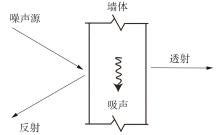
Fig.1
Schematic diagram of sound insulation principles[24]"
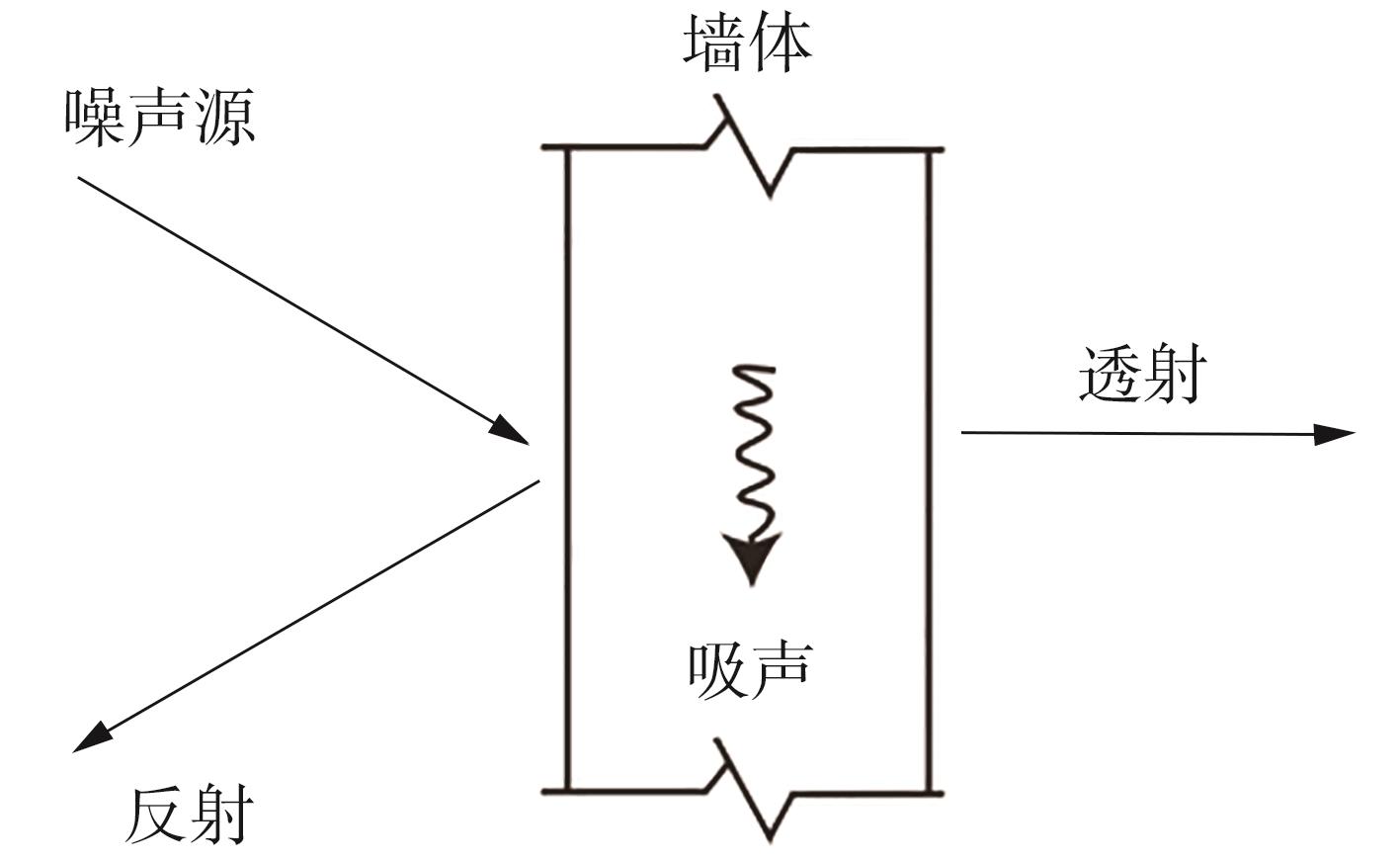
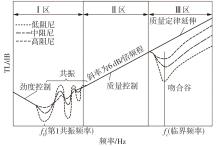
Fig.2
Typical sound transmission loss curves[20]"
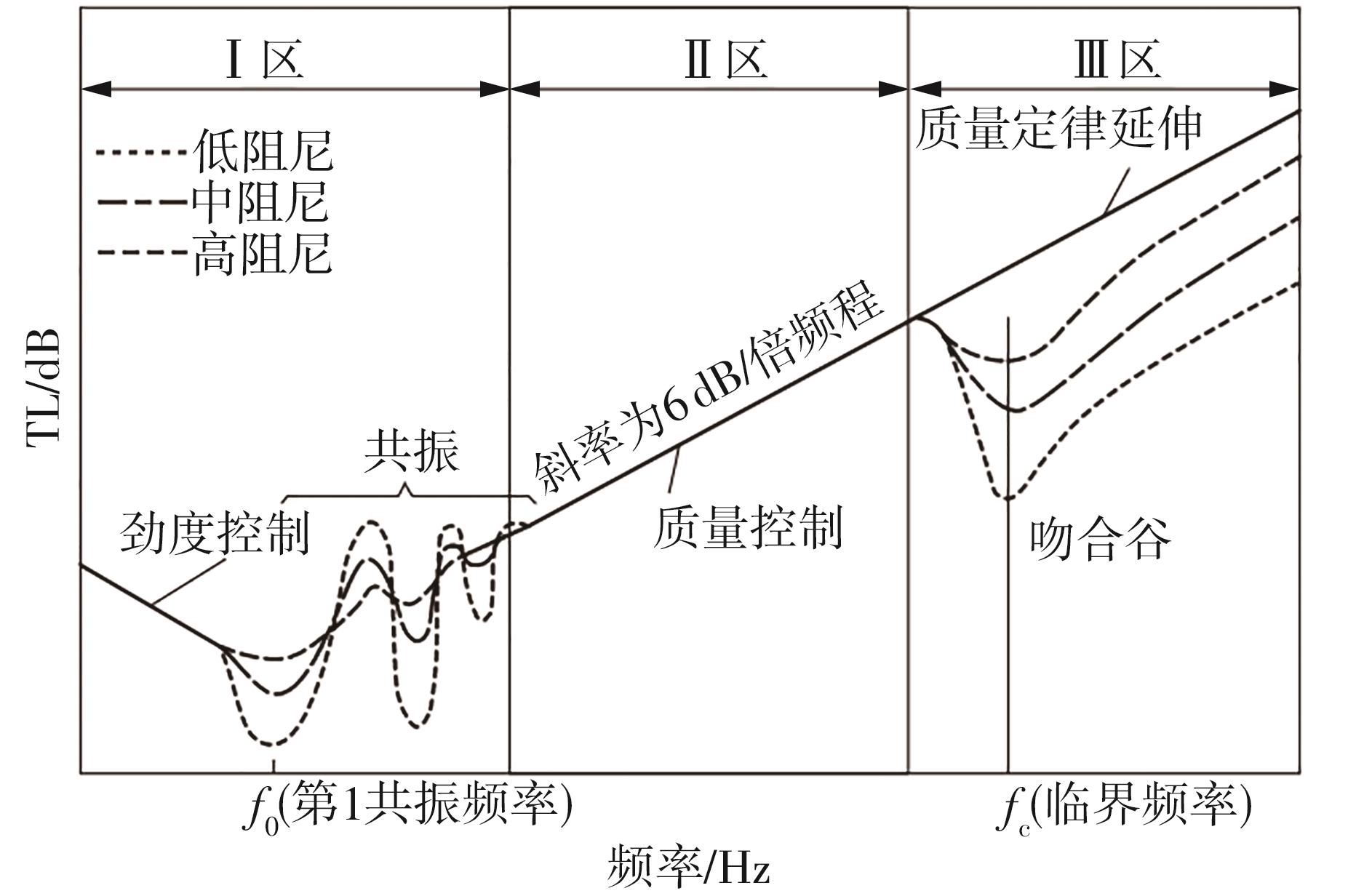
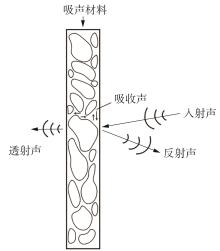
Fig.3
Mechanism of acoustic energy dissipation in sound-absorbing materials[27]"
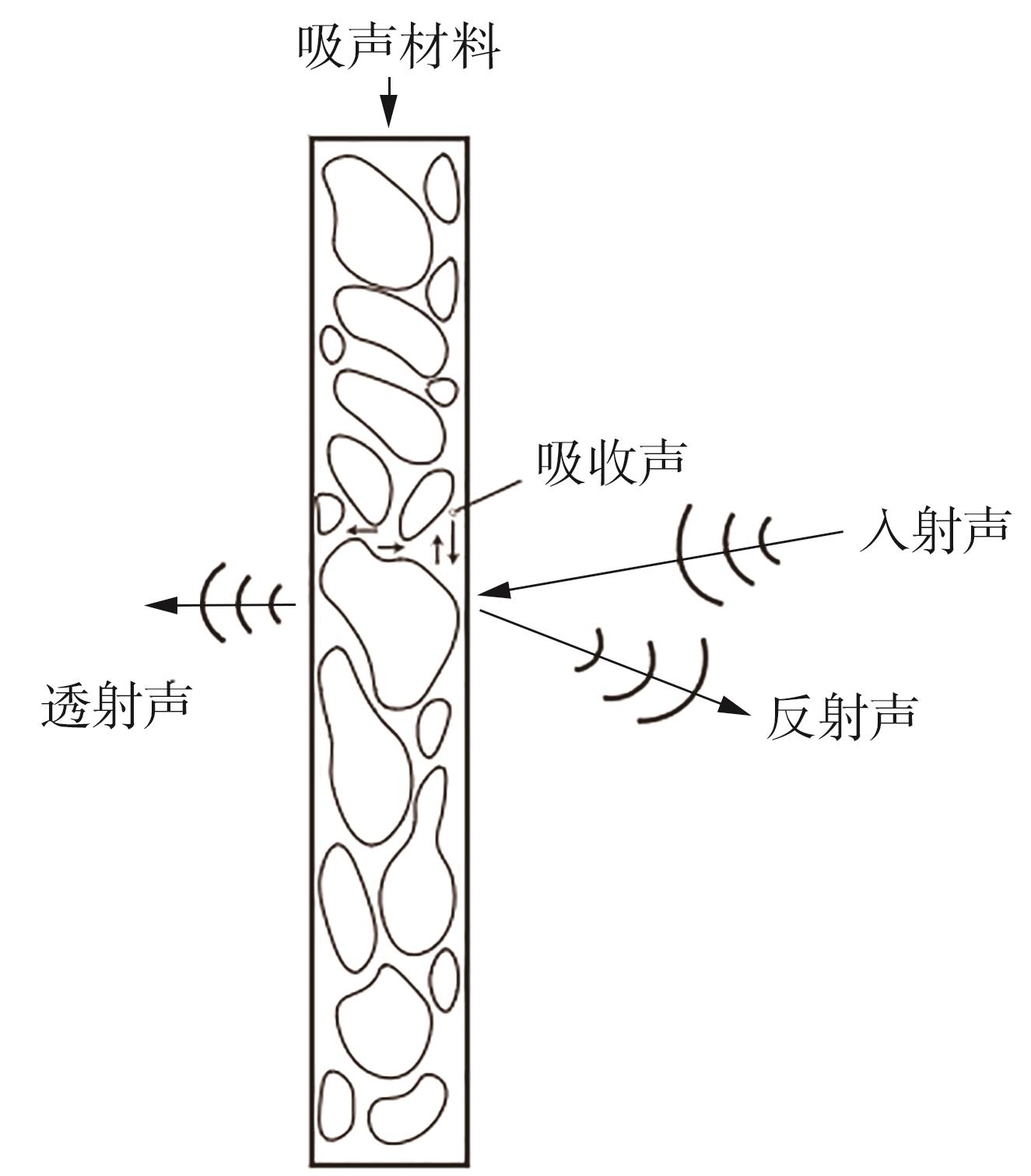
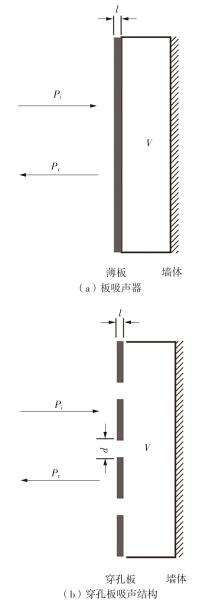
Fig.4
Schematics diagram of two common resonant absorbers[26]"
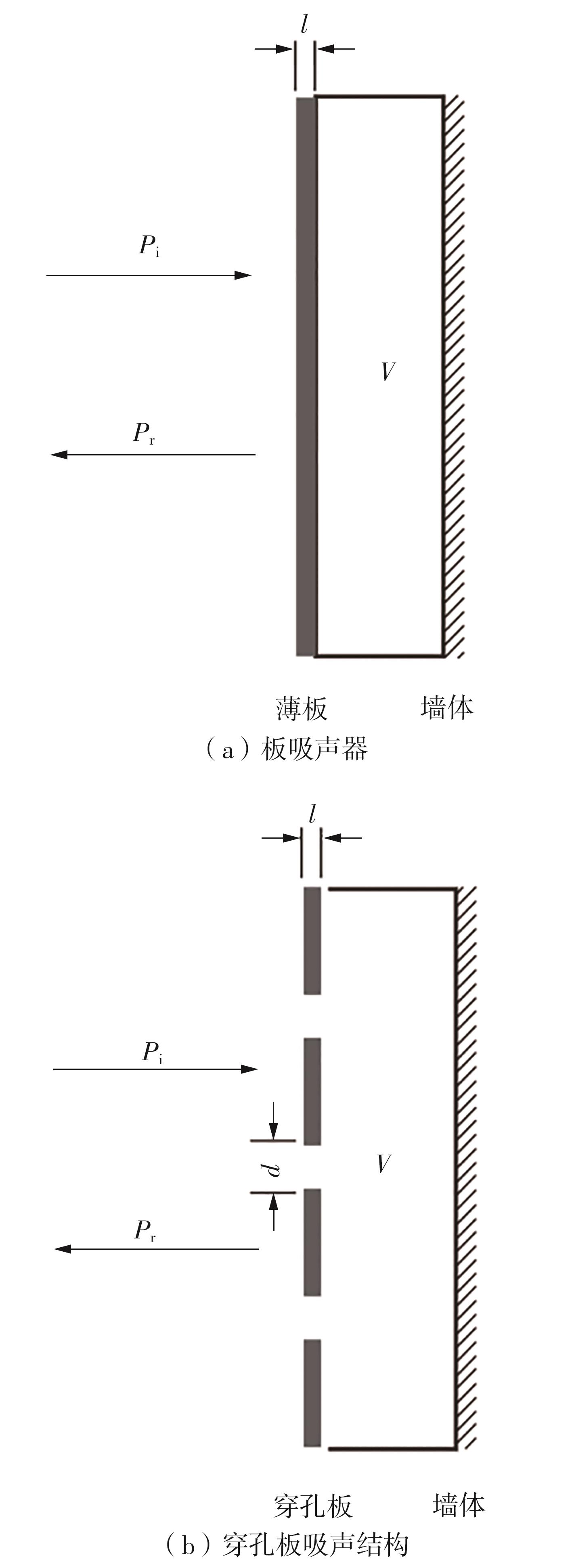

Table 1
Effects of foaming agent types and dosages on concrete sound absorption performance"
| 相关研究 | 发泡剂类型和用量 | 材料体系 | 吸声性能指标 |
|---|---|---|---|
| Rommel等[ | 表面活性剂类发泡剂;用量1%~4% | 泡沫混凝土 | 吸声系数从0.67提升至0.89 |
| Mastali等[ | 蛋白质水解物发泡剂;用量10%~35% | 纤维增强碱激发矿渣泡沫混凝土 | 中高频吸声系数达0.8~1.0 |
| Galzerano等[ | 植物表面活性剂类发泡剂;用量0.05%、12.00% | 地聚物泡沫 | 最大吸声系数为0.47(300 Hz) |
| Zhang等[ | 稀释水性表面活性剂类发泡剂;用量5%~16% | 地聚物泡沫混凝土 | 吸声系数达0.7~1.0(40~150 Hz) |
Fig.5
Acoustic performance spectra of various noise-reducing concrete materials[34,57-60,63-65]"
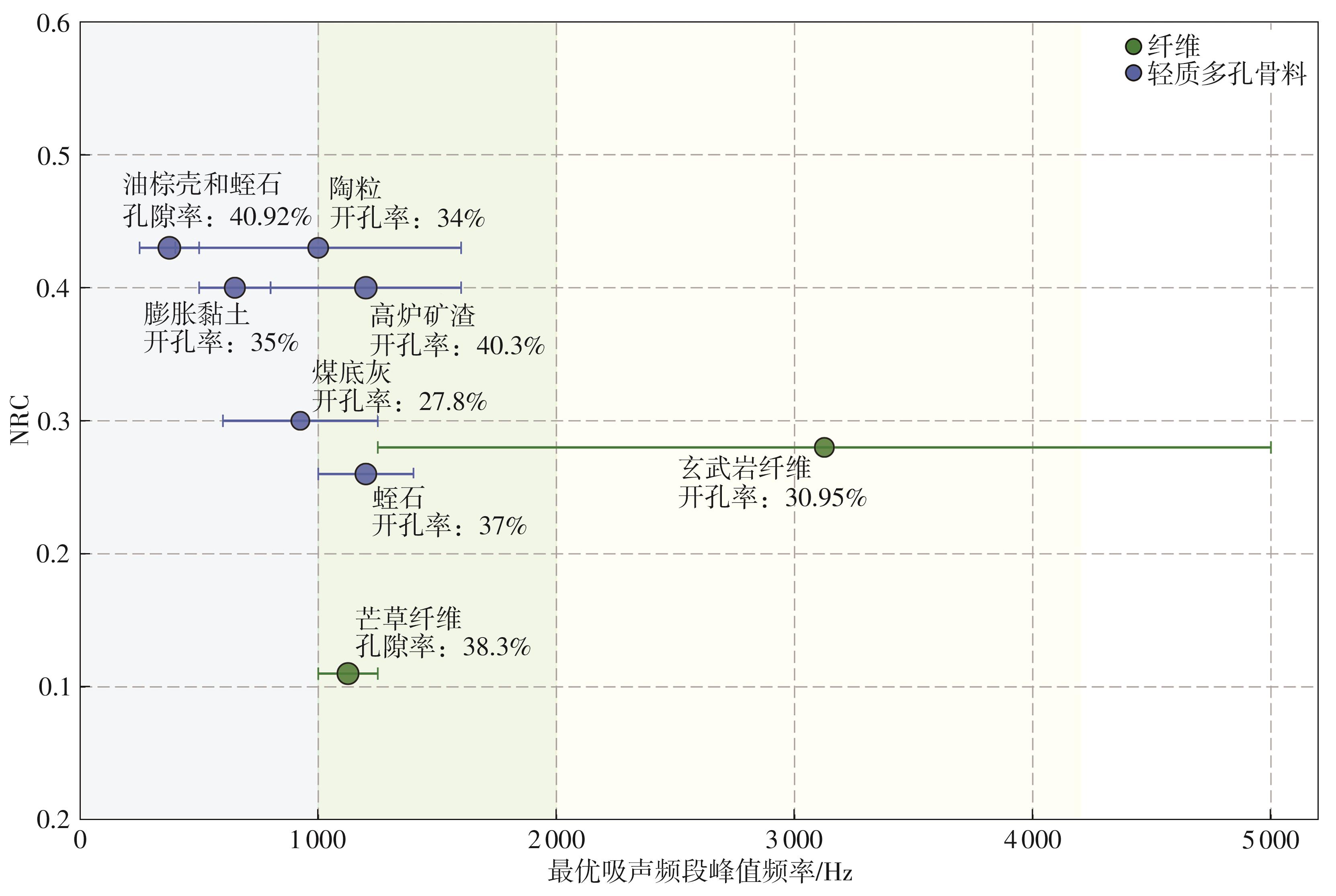
Fig.6
3D-printed noise barrier on Suzhou Ring Expressway (S58 Huchang Line)[18]"
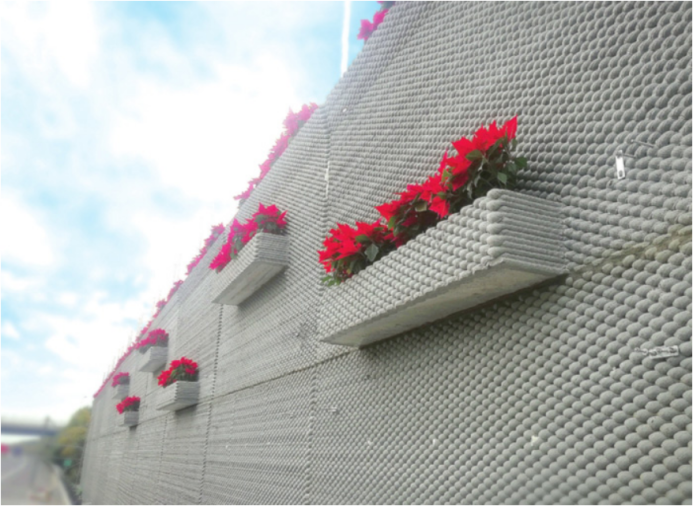
Fig.7
3D-printed noise barrier on Shanghai Jinshan Expressway[19]"
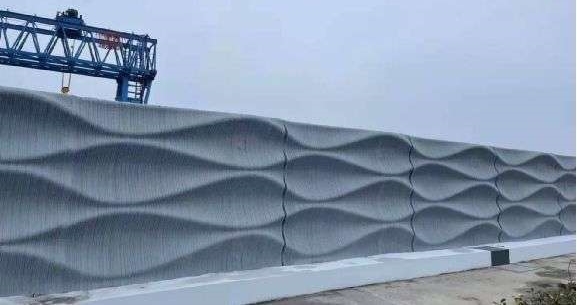
Fig.8
3D-printed acoustic façade[78]"
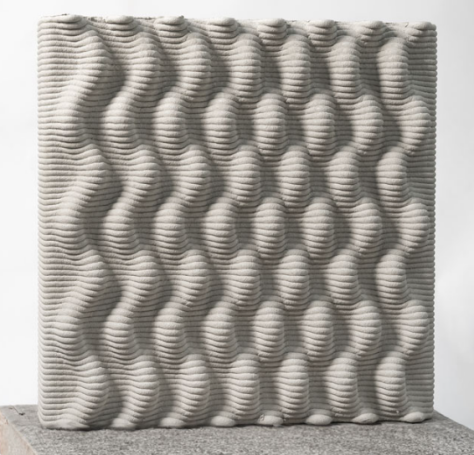
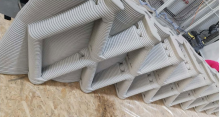
Fig.9
3D-printed acoustic floor slab[79]"
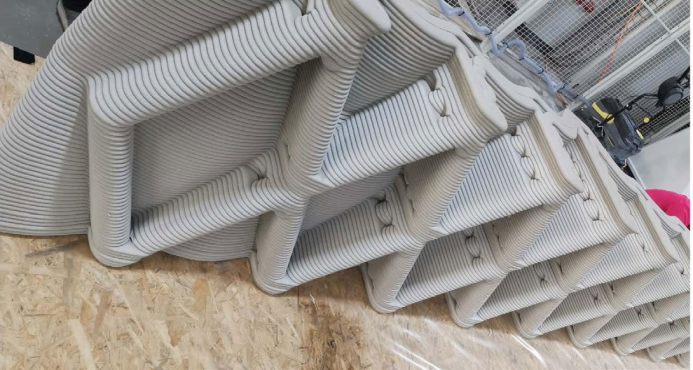
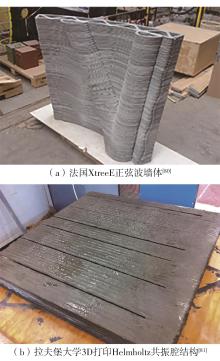
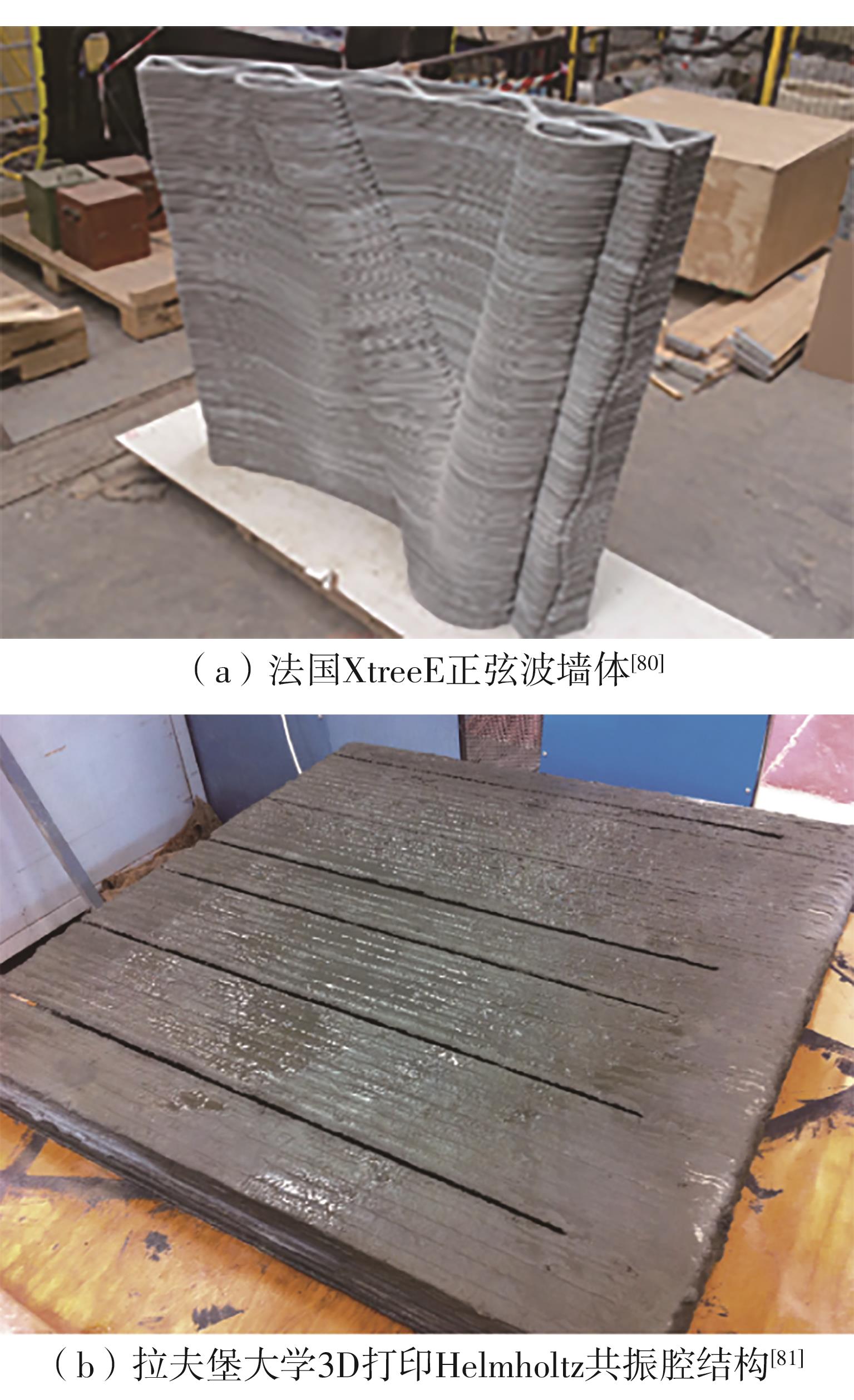
Fig.10
Existing 3D-printed concrete structures"
| [1] | 余海燕 .水泥-木梗纤维复合吸声材料的组成、性能及吸声模型研究[D].北京:中国建筑材料科学研究总院,2006. |
| [2] | 肖沙沙 .高速公路交通噪声预测方法对比研究与工程应用[D].西安:长安大学,2014. |
| [3] | 中华人民共和国生态环境部 .中国噪声污染防治报告(2024年)[J].环境保护,2024,52(16):53-67. |
| Ministry of Ecology and Environment of the People’ s Republic of China .Annual report on prevention and control of noise pollution in China(2024)[J].Environmental Protection,2024,52(16):53-67. | |
| [4] | 陈志刚 .城市综合体建筑设备噪声控制研究与应用[D].杭州:浙江大学,2023. |
| [5] | 罗帅 .吸声型再生骨料泡沫混凝土性能研究[D].邯郸:河北工程大学,2024. |
| [6] | 王俊凯 .分层多孔水泥基吸声材料的制备及性能[D].南京:东南大学,2023. |
| [7] | 廖陈畅 .发泡混凝土声屏障声学与力学性能试验研究[D].南京:东南大学,2022. |
| [8] | RAMAMURTHY K, KUNHANANDAN NAMBIAR E K, INDU SIVA RANJANI G .A classification of studies on properties of foam concrete[J].Cement and Concrete Composites,2009,31(6):388-396. |
| [9] | ZHOU G, SU R K L .A review on serviceability of foam concrete[J].Proceedings of the Institution of Civil Engineers-Construction Materials,2024,177(6):381-392. |
| [10] | ZHANG B, POON C S .Sound insulation properties of rubberized lightweight aggregate concrete[J].Journal of Cleaner Production,2018,172:3176-3185. |
| [11] | LAHOUIOUI M, ARFI R BEN, FOIS M,et al .Investigation of fiber surface treatment effect on thermal,mechanical and acoustical properties of date palm fiber-reinforced cementitious composites[J].Waste and Biomass Valorization,2020,11(8):4441-4455. |
| [12] | CHEN L, CHEN Z, XIE Z,et al .Recent developments on natural fiber concrete:a review of properties,sustainability,applications,barriers,and opportunities[J].Developments in the Built Environment,2023,16:100255/1-17. |
| [13] | WIJESINGHE K A P, GUNASEKARA C, LAW D W,et al .Thermal and acoustic performance in textile fibre-reinforced concrete: an analytical review[J].Construction and Building Materials,2024,412:134879/1-17. |
| [14] | AMRAN M, FEDIUK R, MURALI G,et al .Sound-absorbing acoustic concretes:a review[J].Sustainability,2021,13(19):10712/1-3. |
| [15] | CAI X, GUO Q, HU G,et al .Ultrathin low-frequency sound absorbing panels based on coplanar spiral tubes or coplanar Helmholtz resonators[J].Applied Physics Letters,2014,105(12):121901/1- 4. |
| [16] | LI Y, ASSOUAR B M .Acoustic metasurface-based perfect absorber with deep subwavelength thickness[J].Applied Physics Letters,2016,108(6):063502 /1- 4. |
| [17] | 谭普,付涛,李成斐,等 .三周期极小曲面声学超材料的低频宽带吸声性能[J].复合材料学报,2025,42(5):2928-2941. |
| TAN Pu, FU Tao, LI Chengfei,et al .Low-frequency broadband acoustic absorption properties of triply perio-dic minimal surface acoustic metamaterials[J].Acta Materiae Compositae Sinica,2025,42(5):2928-2941. | |
| [18] | 今日头条 .苏州高速用上3D打印声屏障,隔音降噪效果杠杠滴[EB/OL].(2019-12-07) [2025-09-19].. |
| [19] | 中国基建报 .钢渣有妙用!钢渣3D打印声屏障落地上海金山高速公路[EB/OL].(2022-01-13) [2025-09-19].. |
| [20] | 康玉成 .建筑隔声设计:空气声隔声技术[M].北京:中国建筑工业出版社,2004. |
| [21] | 张玮玮 .轻质高隔声复合隔墙研究[D].南京:东南大学,2018. |
| [22] | 戈禧芸 .基于固废资源化的新型声屏障性能研究[D].重庆:重庆大学,2021. |
| [23] | 张群义 .新型道路声屏障设计及仿真[D].长沙:湖南大学,2018. |
| [24] | FEDIUK R, AMRAN M, VATIN N,et al .Acoustic properties of innovative concretes:a review[J].Materials,2021,14(2):398. |
| [25] | 赵毅 .多孔材料吸声性能仿真分析与优化[D].重庆:重庆大学,2018. |
| [26] | 张春春 .纤维基复合吸声体的结构设计及中低频降噪性能调控研究[D].天津:天津工业大学,2021. |
| [27] | TIE T S, MO K H, PUTRA A,et al .Sound absorption performance of modified concrete:a review[J].Journal of Building Engineering,2020,30:101219/1-10. |
| [28] | TSAY Y S, LIN J Y, MA F .Development of a panel membrane resonant absorber[J].Applied Sciences,2021,11(4):1893/1-14. |
| [29] | 钟祥璋 .建筑吸声材料与隔声材料[M].2版.北京:化学工业出版社,2012. |
| [30] | 声屏障声学设计和测量规范: [S]. |
| [31] | 建筑吸声产品的吸声性能分级: [S]. |
| [32] | JIANG W, SHA A, XIAO J .Experimental study on relationships among composition, microscopic void features,and performance of porous asphalt concrete[J].Journal of Materials in Civil Engineering,2015,27(11):4015028/1-10. |
| [33] | CHAGAS RODRIGUES P, DE SALES BRAGA N T, SANTOS ARRUDA JUNIOR E,et al .Effect of pore characteristics on the sound absorption of pervious concretes[J].Case Studies in Construction Materials,2022,17:e01302/1-16. |
| [34] | PEREIRA M, CARBAJO J, GODINHO L,et al .Acoustic behavior of porous concrete.characterization by experimental and inversion methods[J].Materiales de Construcción,2019,69(336):e202/1-13. |
| [35] | WARNOCK A C C .Factors affecting sound transmission loss[J].Canadian Building Digest,1985,CBD-239. |
| [36] | Federal Highway Administration .Noise barrier design handbook:3. Acoustical considerations[R].Washington,DC:FHWA,U.S. Department of Transportation,2017. |
| [37] | LI F, CHEN Y, ZHU D .Revealing the sound transmission loss capacities of sandwich metamaterials with re-entrant negative poisson’s ratio configuration[J].Materials,2023,16(17):5928/1-21. |
| [38] | WARNOCK A C C .Sound transmission loss measurements through 190 mm and 140 mm blocks with added drywall and through cavity block walls[R].Ottawa:Institute for Research in Construction,National Research Council Canada,1990. |
| [39] | EVEREST F A, POHLMANN K C .Master handbook of acoustics[M].New York:McGraw-Hill,2009. |
| [40] | GALIP N S, HARON Z, MOHAMED R N,et al .Sound absorption properties of porous concrete layers for noise barrier[J].Journal of Physics:Conference Series,2024,2721(1):012012/1-19. |
| [41] | NEITHALATH N, WEISS J, OLEK J .Characterizing enhanced porosity concrete using electrical impedance to predict acoustic and hydraulic performance[J].Cement and Concrete Research,2006,36(11):2074-2085. |
| [42] | NEITHALATH N, MAROLF A, WEISS J,et al .Modeling the influence of pore structure on the acoustic absorption of enhanced porosity concrete[J].Journal of Advanced Concrete Technology,2005,3(1):29-40. |
| [43] | ZHANG Y, LI H, ABDELHADY A,et al .Effect of different factors on sound absorption property of porous concrete[J].Transportation Research Part D:Transport and Environment,2020,87:102532/1-17. |
| [44] | ZHANG Y, LI H, ABDELHADY A,et al .Laboratorial investigation on sound absorption property of porous concrete with different mixtures[J].Construction and Building Materials,2020,259:120414/1-11. |
| [45] | LAUKAITIS A, FIKS B .Acoustical properties of aera-ted autoclaved concrete[J].Applied Acoustics,2006,67(3):284-296. |
| [46] | ROMMEL E, PRASETYOL L, RUSDIANTO Y,et al .The insulation properties of foam concrete with the use of foam-agent and fly-ash[C]∥ Proceedings of IOP Conference Series:Materials Science and Engineering.Sorong:IOP Publishing,2020,821(1):012013/1-8. |
| [47] | 王卫东 .水泥多孔吸声材料性能的研究[J].工程建设,2025,57(5):22-27. |
| WANG Weidong .Study on properties of cement porous sound absorbing materials[J].Engineering Construction,2025,57(5):22-27. | |
| [48] | LIU Y, ZHAO Z, AMIN M N,et al .Foam concrete for lightweight construction applications:a comprehensive review of the research development and material characteristics[J].Reviews on Advanced Materials Science,2024,63(1):20240022/1-26. |
| [49] | SHAWNIM P, MOHAMMAD F .Porosity,permeabi-lity and microstructure of foamed concrete through SEM images[J].Journal of Civil Engineering,Science and Technology,2019,10(1):22-33. |
| [50] | AMRAN M, FEDIUK R, VATIN N,et al .Fibre-reinforced foamed concretes:a review[J].Materials,2020,13(19):4323/1-36. |
| [51] | 王稷良,杨宁,辛懿涛,等 .泡沫混凝土气泡性能研究进展[J].低温建筑技术,2025,47(4):109-113. |
| WANG Jiliang, YANG Ning, XIN Yitao,et al .Research progress on bubble properties of foamed concrete[J].Low Temperature Architecture Technology,2025,47(4):109-113. | |
| [52] | MASTALI M, KINNUNEN P, ISOMOISIO H,et al .Mechanical and acoustic properties of fiber-reinforced alkali-activated slag foam concretes containing lightweight structural aggregates[J].Construction and Building Materials,2018,187:371-381. |
| [53] | GALZERANO B, CAPASSO I, VERDOLOTTI L,et al .Design of sustainable porous materials based on 3D-structured silica exoskeletons,diatomite:chemico-physical and functional properties[J].Materials & Design,2018,145:196-204. |
| [54] | ZHANG Z, PROVIS J L, REID A,et al .Mechanical,thermal insulation, thermal resistance and acoustic absorption properties of geopolymer foam concrete[J].Cement and Concrete Composites,2015,62:97-105. |
| [55] | LEIVA C, VILCHES L F, ARENAS C,et al .Potential recycling of bottom and fly ashes in acoustic mortars and concretes[J].Materials Journal,2012,109(5):529-536. |
| [56] | TIWARI V, SHUKLA A, BOSE A .Acoustic pro-perties of cenosphere reinforced cement and asphalt concrete[J].Applied Acoustics,2004,65(3):263-275. |
| [57] | WANG C, REN X, DIAO Q,et al .Sound absorption performance of a triple-hole structure in green ceramsite concrete for high-speed-railway sound barriers:experiments and neural network modeling[J].Case Studies in Construction Materials,2023,18:e01980/1-15. |
| [58] | JAHYA Z, HARON Z, YAHYA K,et al .Acoustical properties of porous concrete containing oil palm shell and vermiculite[C]∥ Mohamed Nazri F.Proceedings of AICCE’ 19.Cham:Springer International Publishing,2020:905-917. |
| [59] | CHEN Y, YU Q L, BROUWERS H J H .Acoustic performance and microstructural analysis of bio-based lightweight concrete containing miscanthus[J].Construction and Building Materials,2017,157:839-851. |
| [60] | BOZKURT T S .Acoustic analyses of mortars prepared with recycled aggregates[J].Applied Acoustics,2023,205:109273/1-28. |
| [61] | ALYOUSEF R .Enhanced acoustic properties of concrete composites comprising modified waste sheep wool fibers[J].Journal of Building Engineering,2022,56:104815/1-13. |
| [62] | ALYOUSEF R, MOHAMMADHOSSEINI H, EBID A A K,et al .Enhanced acoustic properties of a novel prepacked aggregates concrete reinforced with waste polypropylene fibers[J].Materials,2022,15(3):1173/1-17. |
| [63] | CARBAJO J, ESQUERDO LLORET T V, RAMIS J,et al .Acoustic properties of porous concrete made from arlite and vermiculite lightweight aggregates[J].Materiales de Construcción,2015,65(320):e072/1-11. |
| [64] | RIOS J, ARENAS C, CIFUENTES H,et al .Porous structure by X-ray computed tomography and sound absorption in pervious concretes with air cooled blast furnace slag as coarse aggregate[J].Acoustics Australia,2019,47(3),271-276. |
| [65] | ARENAS C, LEIVA C, VILCHES L F,et al .Use of co-combustion bottom ash to design an acoustic absorbing material for highway noise barriers[J].Waste Management,2013,33(11):2316-2321. |
| [66] | NGO T H, LI S, HUYNH T,et al .3D printable hemp concrete:rheological,mechanical,and microstructural properties[J].Journal of Building Engineering,2025,114:114467/1-18. |
| [67] | RUDZIEWICZ M, MAROSZEK M, HUTYRA A,et al .Influence of foaming agents and stabilizers on porosity in 3D printed foamed concrete[J].Processes,2025,13(2):403/1-31. |
| [68] | WENG Y, LI M, LIU Z,et al .Printability and fire performance of a developed 3D printable fibre reinforced cementitious composites under elevated temperatures[J].Virtual and Physical Prototyping,2019,14(3):284-292. |
| [69] | KRUGER J, du PLESSIS A, van ZIJL G .An investigation into the porosity of extrusion-based 3D printed concrete[J].Additive Manufacturing,2021,37:101740/1-13. |
| [70] | WANG X, DU L, LIU Z,et al .3D cementitious composites printing with pretreated recycled crumb rubber:mechanical and acoustic insulation properties[J].Virtual and Physical Prototyping,2024,19(1):e2399787/1-25. |
| [71] | CICIONE A, KRUGER J, WALLS R S,et al .An experimental study of the behavior of 3D printed concrete at elevated temperatures[J].Fire Safety Journal,2021,120:103075/1-10. |
| [72] | van den HEEVER M, du PLESSIS A, KRUGER J,et al .Evaluating the effects of porosity on the mechanical properties of extrusion-based 3D printed concrete[J].Cement and Concrete Research,2022,153:106695/1-17. |
| [73] | MOGES K A, DALILA N, PLASKOTA P,et al .Evaluation methods,testing standards,and simulation techniques of sound absorption capabilities of cementitious materials:a review[J].Journal of Building Engineering,2024,96:110468/1-28. |
| [74] | MOGES K A, PARK S,PYO S .Sound absorption characteristics of surface perforated mortar with micro-sized pores[J].Applied Acoustics,2022,195:108811/1-12. |
| [75] | PEREIRA C M, VIEIRA H, GONCALVES N P F,et al .Innovative waste-containing 3D-printed geopolymer structures for enhanced acoustic comfort in built environments[J].Journal of Cleaner Production,2025,517:145857/1-14. |
| [76] | SHENG W, WANG Y .Traffic noise mitigation through texture-induced quiet pavement:analytical modeling and field test[J].Transportation Research Part D:Transport and Environment,2024,137:104485/1-16. |
| [77] | 王玎君 .3D打印声屏障在改建高速公路的设计及应用[J].价值工程,2023,42(17):74-76. |
| WANG Dingjun .Design and application of 3D printing sound barrier in reconstruction of highways[J].Value Engineering,2023,42(17):74-76. | |
| [78] | VERTICO .Hybrid 3D concrete printing & milling for acoustic façades[EB/OL].(2024-05-06)[2025-09-19].. |
| [79] | AZIZ S, APELLÁNIZ D, WEBER M,et al .Towards a multifunctional 3DCP slab system[C]∥ Proceedings of the IASS Annual Symposium 2020/21 and the 7th International Conference on Spatial Structures 2020/21.Guilford:University of Surrey,2021:1-12. |
| [80] | GOSSELIN C, DUBALLET R, ROUX PH,et al .Large-scale 3D printing of ultra-high performance concrete—a new processing route for architects and buil-ders[J].Materials & Design,2016,100:102-109. |
| [81] | BUSWELL R A, LEAL de SILVA W R, JONES S Z,et al .3D printing using concrete extrusion:a roadmap for research[J].Cement and Concrete Research,2018,112:37-49. |
| [1] | WANG Hongwei, ZHANG Guangyao, SHEN Tao, et al. Influence of Near-Field Acoustic Holography Reconstruction Parameters on the Accuracy of Sound Insulation Measurement [J]. Journal of South China University of Technology(Natural Science Edition), 2024, 52(11): 1-8. |
| [2] | XIONG Wei, WANG Hongwei, ZHANG Guangyao, et al. Selection of Reconstruction Parameters for Sound Insulation Measurement Based on Near-Field Acoustic Holography [J]. Journal of South China University of Technology(Natural Science Edition), 2022, 50(5): 109-117. |
| [3] | ZHANG Gang DONG Jiangtao HE Lifang. Multicarrier Noise Reduction DCSK Scheme with No Intra-signal Interference [J]. Journal of South China University of Technology(Natural Science Edition), 2022, 50(4): 100-109. |
| [4] | WANG Hongwei GAO Yifan YU Xiu . Sound Absorption Coefficient Measurement Based on Three-Dimensional Sound Intensity Method [J]. Journal of South China University of Technology (Natural Science Edition), 2020, 48(7): 134-142. |
| [5] |
HUANG Xianfeng LIU Jun .
Approaches to Abating Coincidence Effect of Sound Insulation by Using Double-Leaf Wall Structure
|
| [6] |
PENG Jianxin TANG Yunfei .
Noise Reduction of Snoring Sound by Using Traditional Spectral Subtraction and Wiener Filter
|
| [7] |
CHEN Yue LIU Xiongying REN Ziliang WU Zhongtang FENG Jiuchao.
Noise Reduction of Chaotic Signals Based on Phase Space Reconstruction and Singular Spectrum Analysis
|
| [8] | Sun Hai- tao Zhao Yue- zhe Wu Shuo- xian. Sound Absorption Coefficient Measurement of 1∶10 Acoustic Scale Model Material of Auditorium [J]. Journal of South China University of Technology (Natural Science Edition), 2014, 42(11): 85-91. |
| [9] | Li Hong Wang Hui-nan Dong Hai-yan Zhang Xiao-guo. Algorithm of Noise Reduction and Contrast Enhancement for Intravascular Ultrasound Images [J]. Journal of South China University of Technology (Natural Science Edition), 2009, 37(1): 48-53. |
| [10] | Liang Ji- zhao Jiang Xing- hua. Theoretical Sound-insulation Model of the Polymer/Inorganic Particle Composites [J]. Journal of South China University of Technology(Natural Science Edition), 2004, 32(10): 6-9. |
| Viewed | ||||||
|
Full text |
|
|||||
|
Abstract |
|
|||||