Journal of South China University of Technology(Natural Science Edition) ›› 2026, Vol. 54 ›› Issue (1): 53-59.doi: 10.12141/j.issn.1000-565X.240594

• Electronics, Communication & Automation Technology • Previous Articles     Next Articles

Channel Estimation Method Based on Channel Enhanced Deep Horblock Network

LIU Jiaojiao(), WANG Ruochen, MA Biyun()   

  1. School of Electronics and Information Engineering,South China University of Technology,Guangzhou 510640,Guangdong,China
  • Received:2025-03-24 Online:2026-01-10 Published:2025-03-24
  • Contact: MA Biyun E-mail:jjliu@scut.edu.cn;eebyma@scut.edu.cn
  • Supported by:
    the Guangdong Basic and Applied Basic Research Foundation(2022A1515011830);the National Key Research and Development Program of China(2024YFE0105400);the National Foreign Expert Project(H20241005)

Abstract:

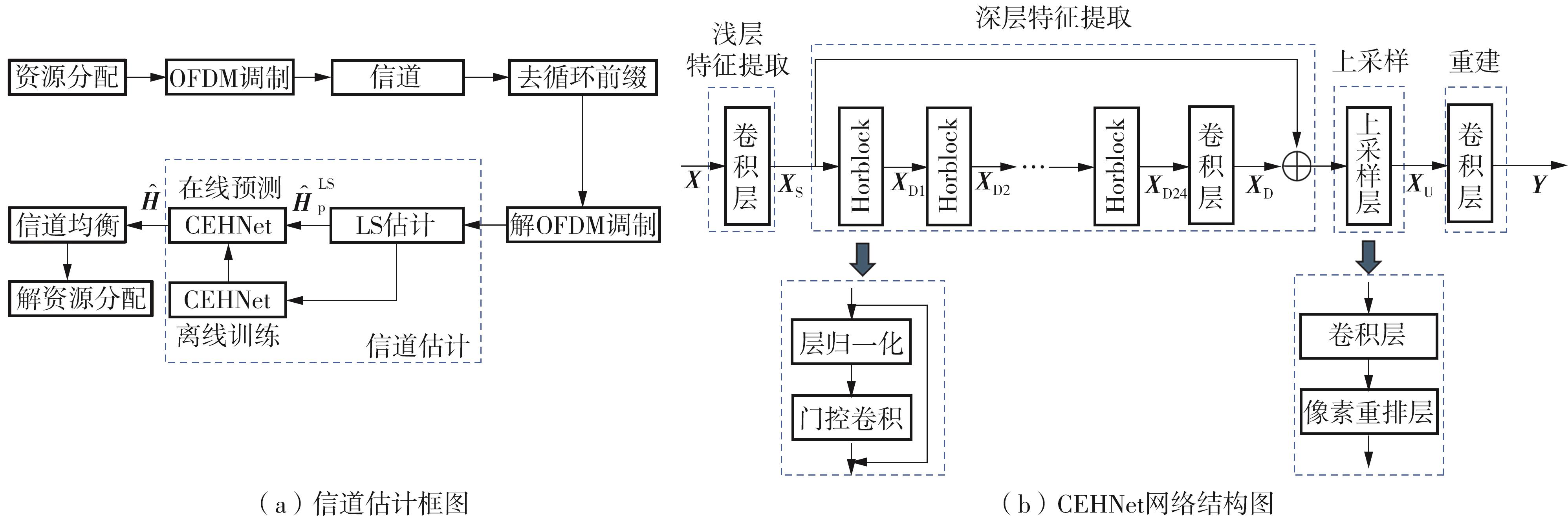
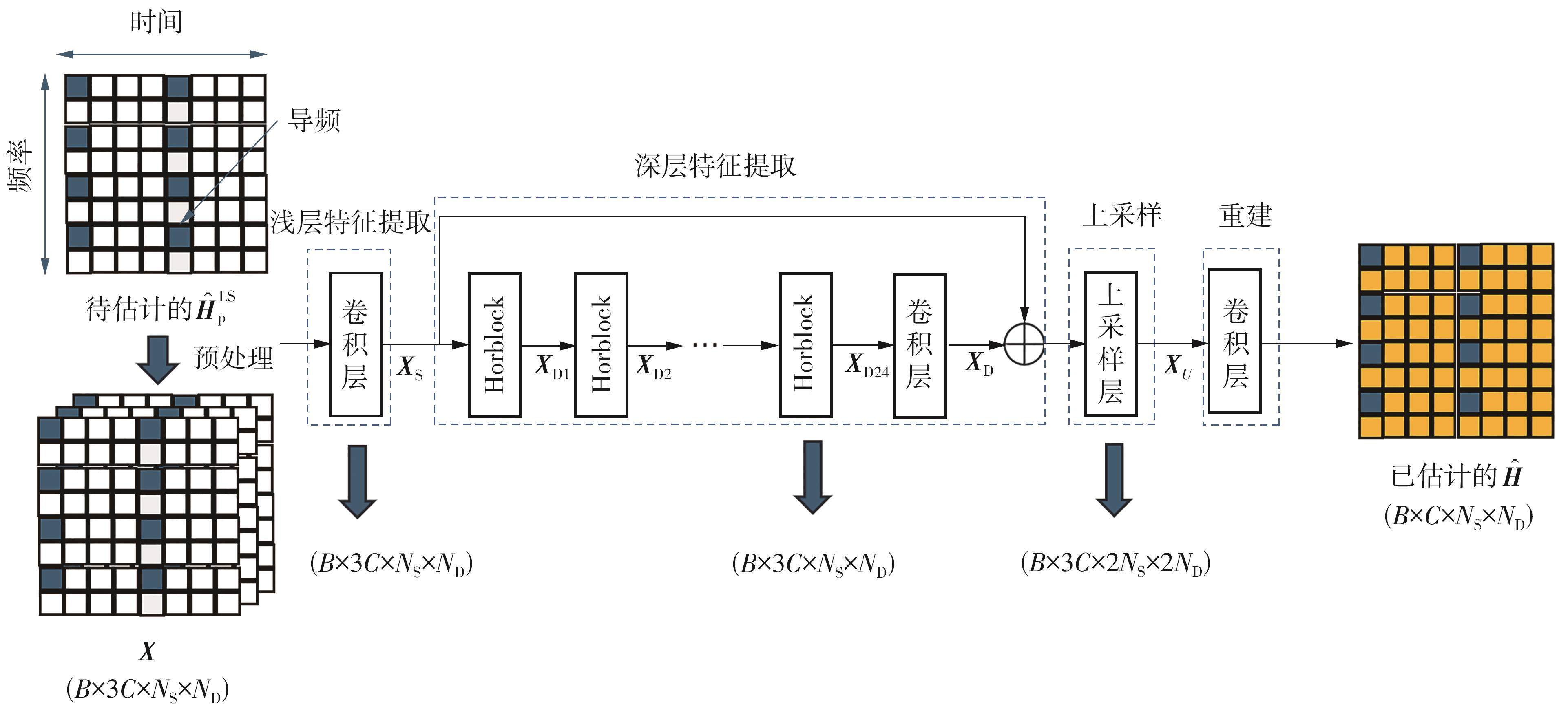
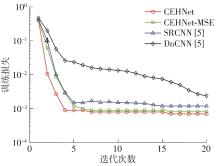
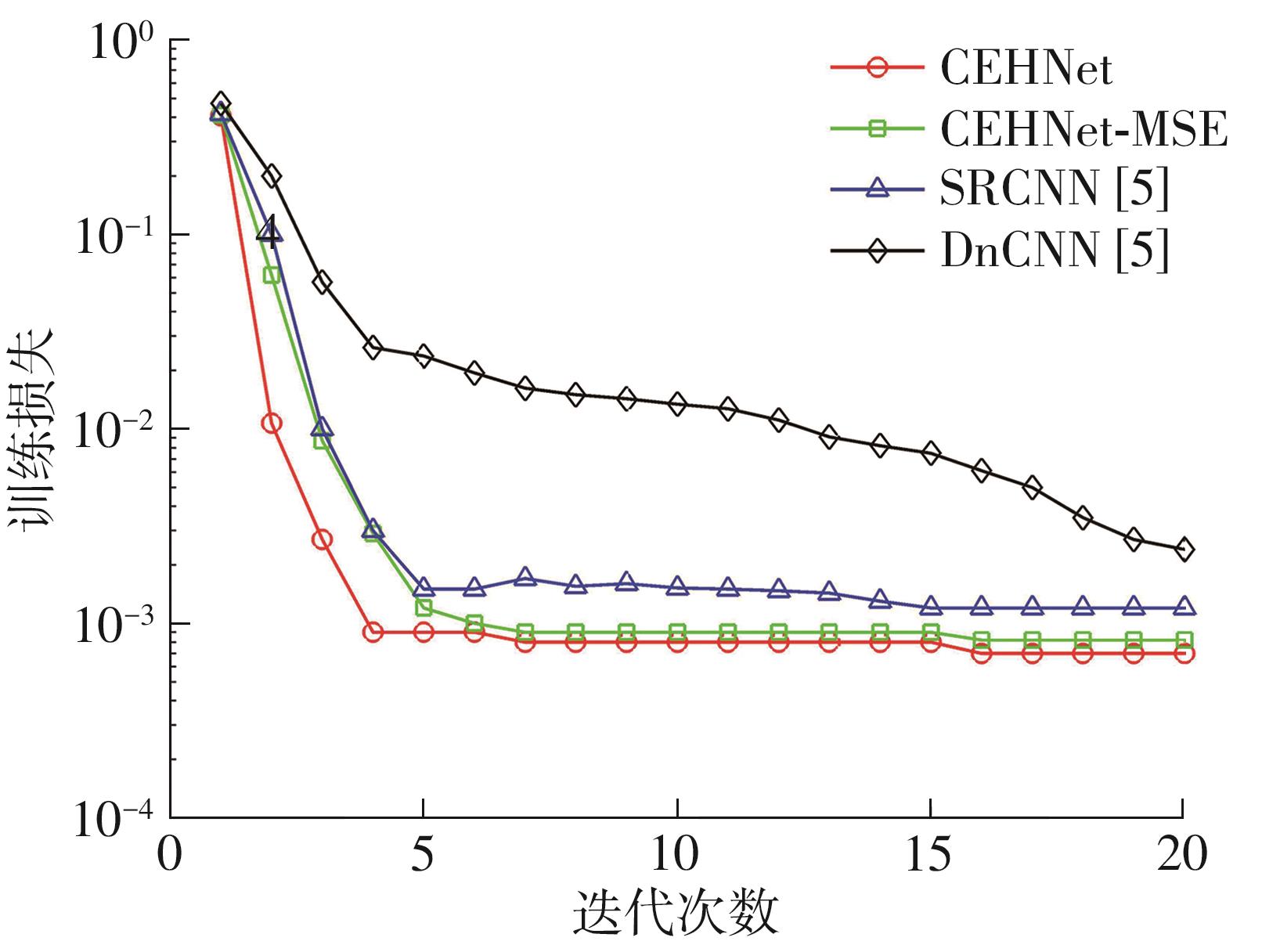
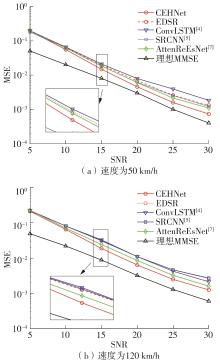
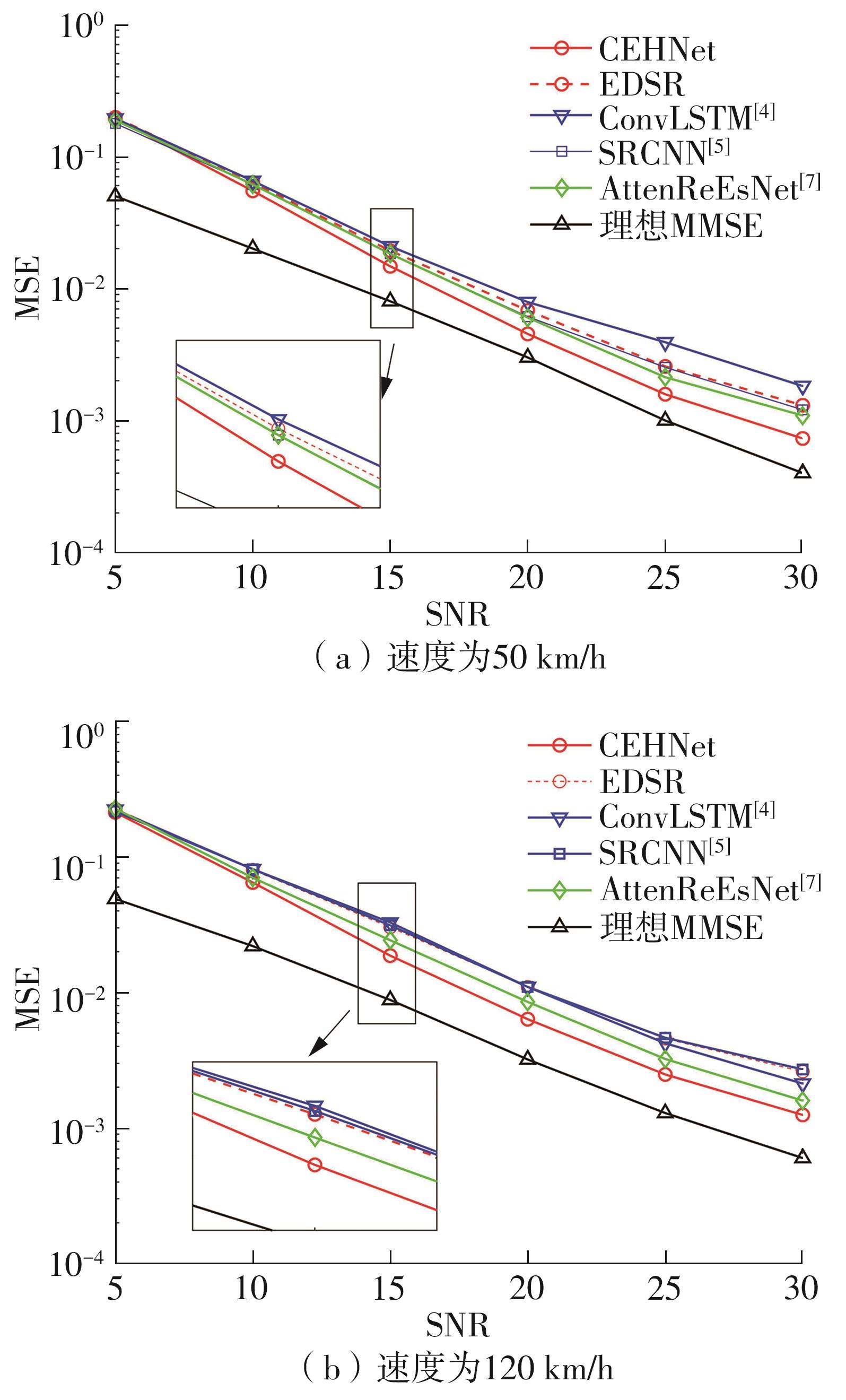
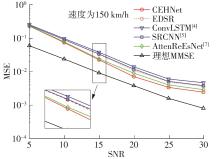
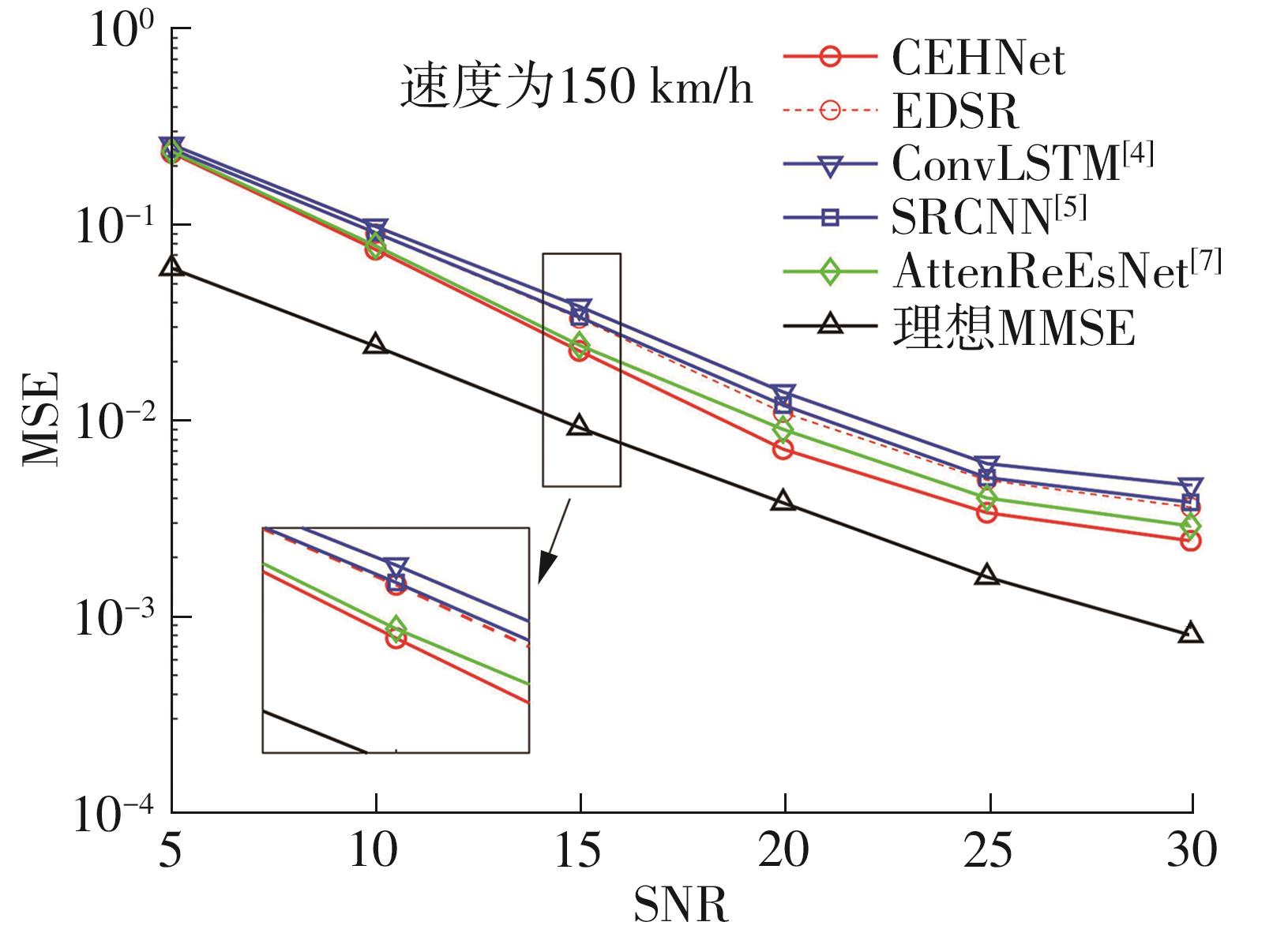
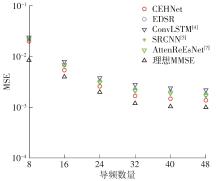
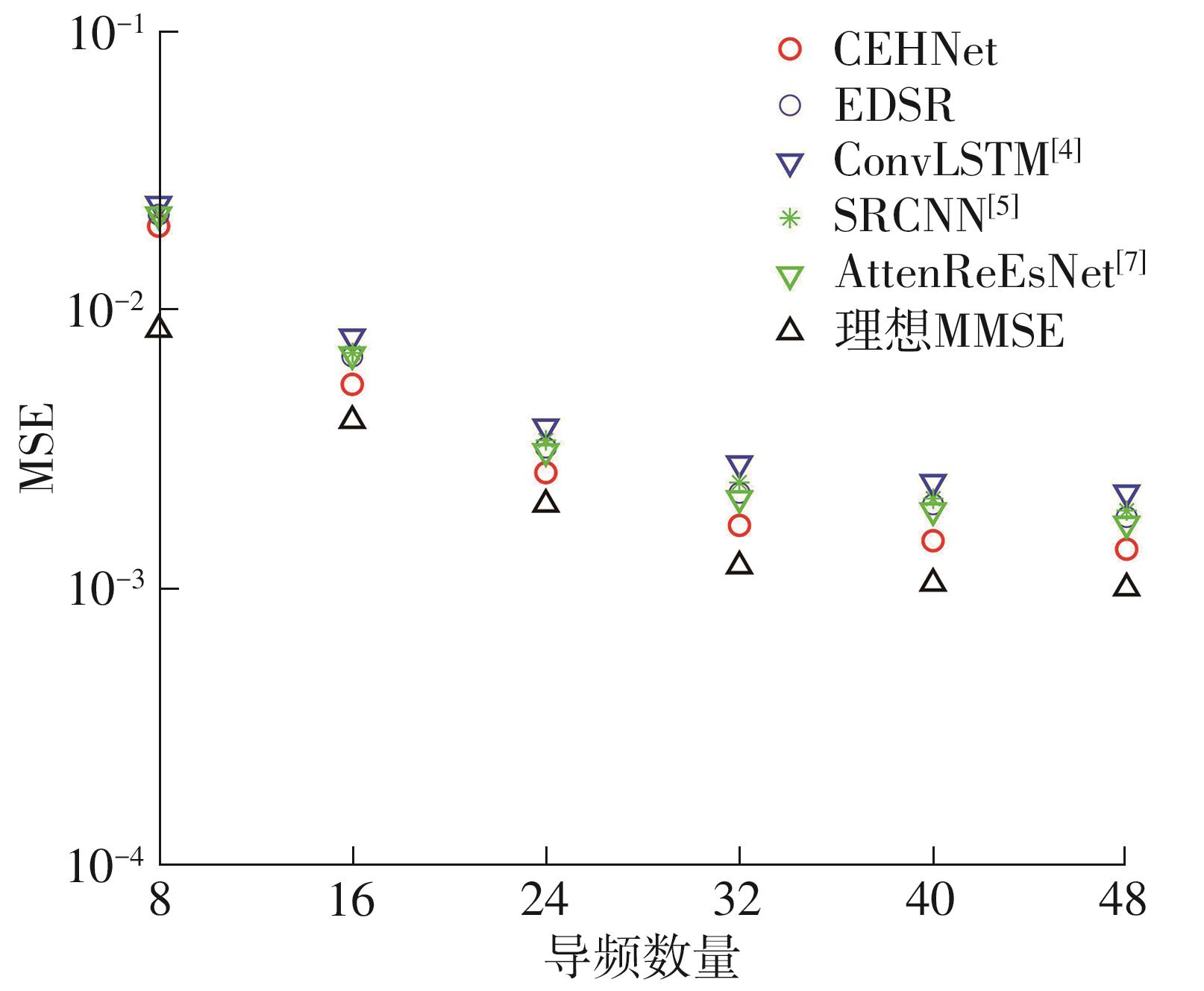
In high-mobility scenarios, wireless communications undergo time and frequency doubly selective fa-ding, making channel estimation essential for accurately obtaining channel state information (CSI), which in turn enhances the perfor-mance of communication systems. The Time-Frequency Doubly Selective Channel is a channel model that characterizes signal fading with selective properties in both time and frequency dimensions. To address the challenges of channel estimation in such environments, deep learning methods have been widely adopted in recent years. Networks that originally excelled in computer vision and natural language processing, such as Convolutional Neural Networks (CNN) and Long Short-Term Memory networks (LSTM), have been applied to channel estimation techniques. However, due to significant differences in data characteristics and task objectives between channel estimation and image processing, these approaches still face numerous challenges. This study introduced a novel channel estimation deep learning algorithm based on a Channel Enhanced Deep Horblock Network (CEHNet). The proposed algorithm treats the time-frequency grid of the doubly selective channel as a two-dimensional image and employs a Super-Resolution (SR) network to reconstruct the CSI. Additionally, a preprocessing method that increases amplitude features is utilized to expand the dataset, and Lasso regression is incorporated as a constraint to accelerate the network convergence speed. Experimental results demonstrate that, across various channel models, the proposed CEHNet algorithm outperforms traditional channel estimation methods such as Super-Resolution Convolutional Neural Networks (SRCNN) when the number of pilots is limited. Furthermore, CEHNet exhibits significantly faster convergence rates, achieving a fourfold performance improvement over SRCNN at a signal-to-noise ratio (SNR) of 22 dB.

Key words: channel estimation, super-resolution network, dual-selection channel, recursive gated convolution

CLC Number: