华南理工大学学报(自然科学版) ›› 2025, Vol. 53 ›› Issue (8): 100-110.doi: 10.12141/j.issn.1000-565X.240485

• 土木建筑工程 • 上一篇    下一篇

圆弧角与粗糙条对CAARC风荷载影响研究

杨易1, 吴健1, 王鑫2, 徐洲洋3   

  1. 1.华南理工大学 亚热带建筑与城市科学全国重点实验室,广东 广州 510640
    2.荔湾区建设工程质量监督站,广东 广州 510175
    3.宜昌市住房和城市更新局,湖北 宜昌 443000
  • 收稿日期:2024-09-28 出版日期:2025-08-25 发布日期:2025-01-24
  • 作者简介:杨易(1975—),男,博士,教授,主要从事风工程研究。E-mail: ctyangyi@scut.edu.cn
  • 基金资助:
    国家自然科学基金项目(52178480);华南理工大学亚热带建筑与城市科学全国重点实验室项目(2024ZB10)

Study on the Influence of Rounded Corner and Rough Strips on Wind Load of CAARC Model

YANG Yi1, WU Jian1, WANG Xin2, XU Zhouyang3   

  1. 1.State Key Laboratory of Subtropical Building and Urban Science,South China University of Technology,Guangzhou 510640,Guangdong,China
    2.Liwan District Construction Engineering Quality Supervision Station,Guangzhou 510175,Guangdong,China
    3.Yichang Municipal Housing and Urban Renewal Bureau,Yichang 443000,Hubei,China
  • Received:2024-09-28 Online:2025-08-25 Published:2025-01-24
  • About author:杨易(1975—),男,博士,教授,主要从事风工程研究。E-mail: ctyangyi@scut.edu.cn
  • Supported by:
    the National Natural Science Foundation of China(52178480)

摘要:

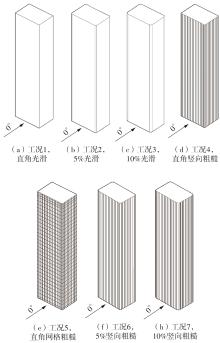
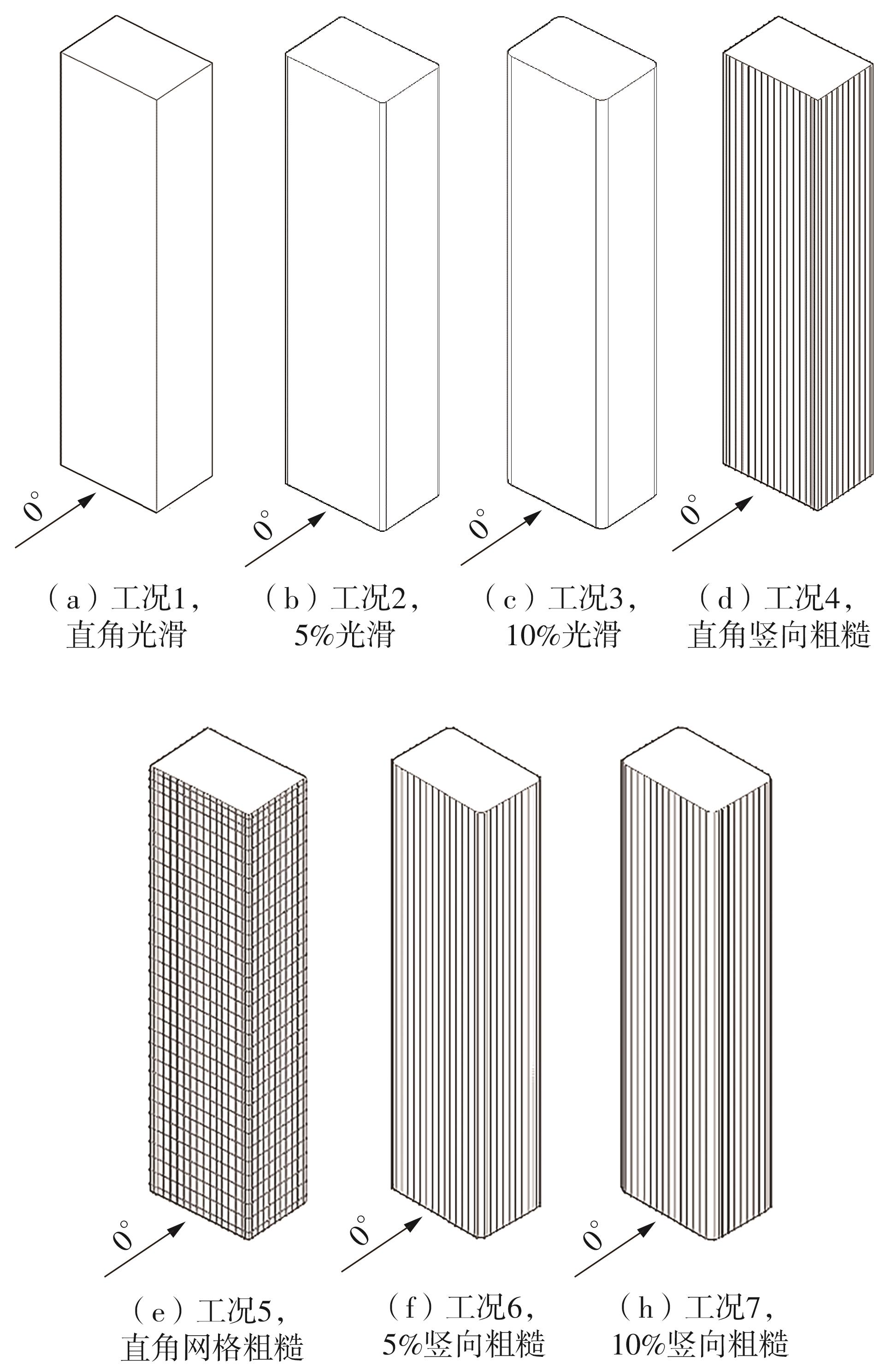
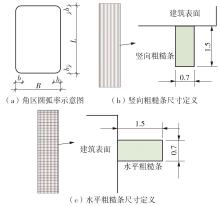
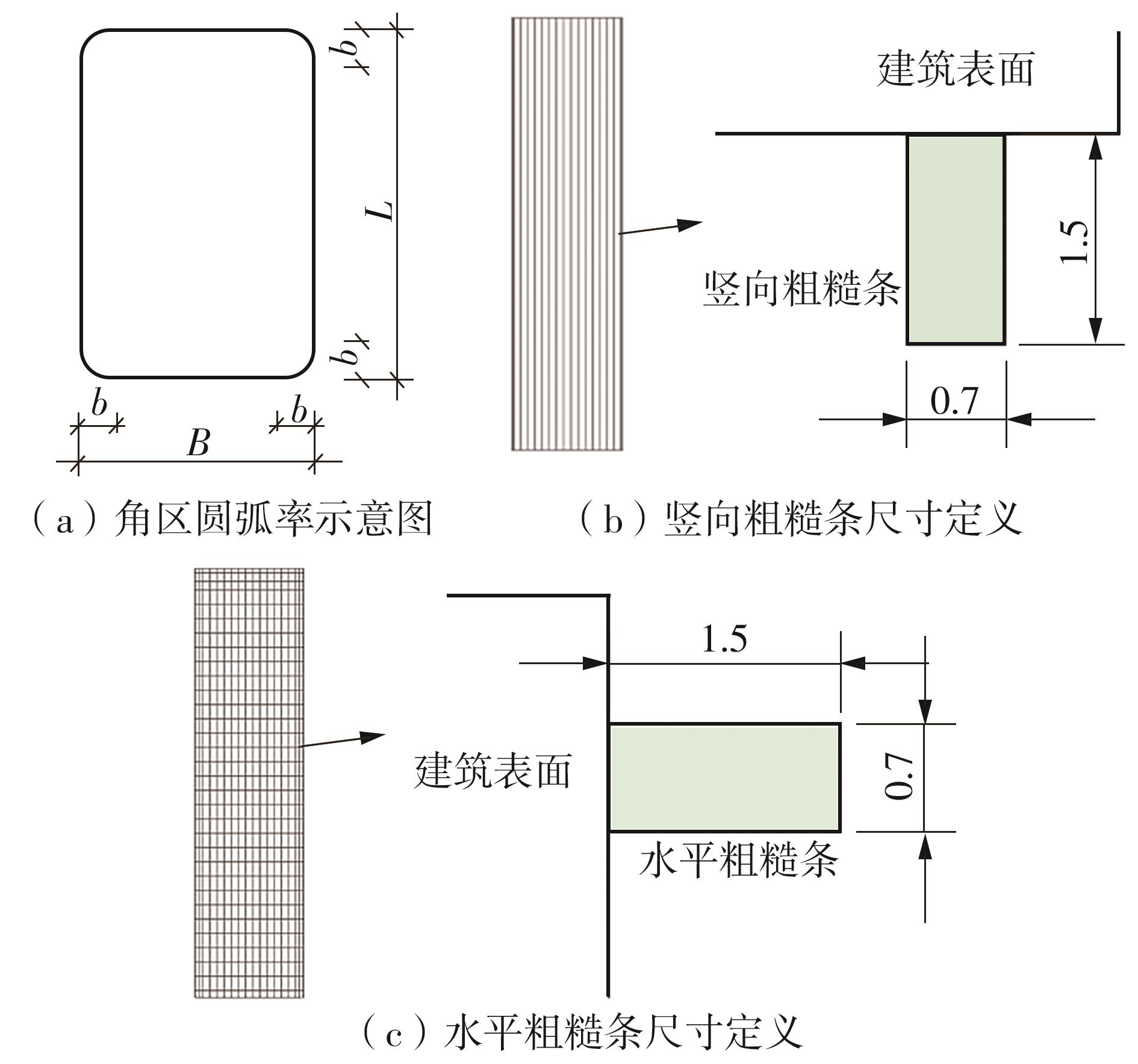
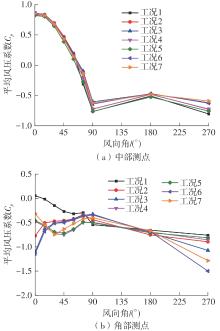
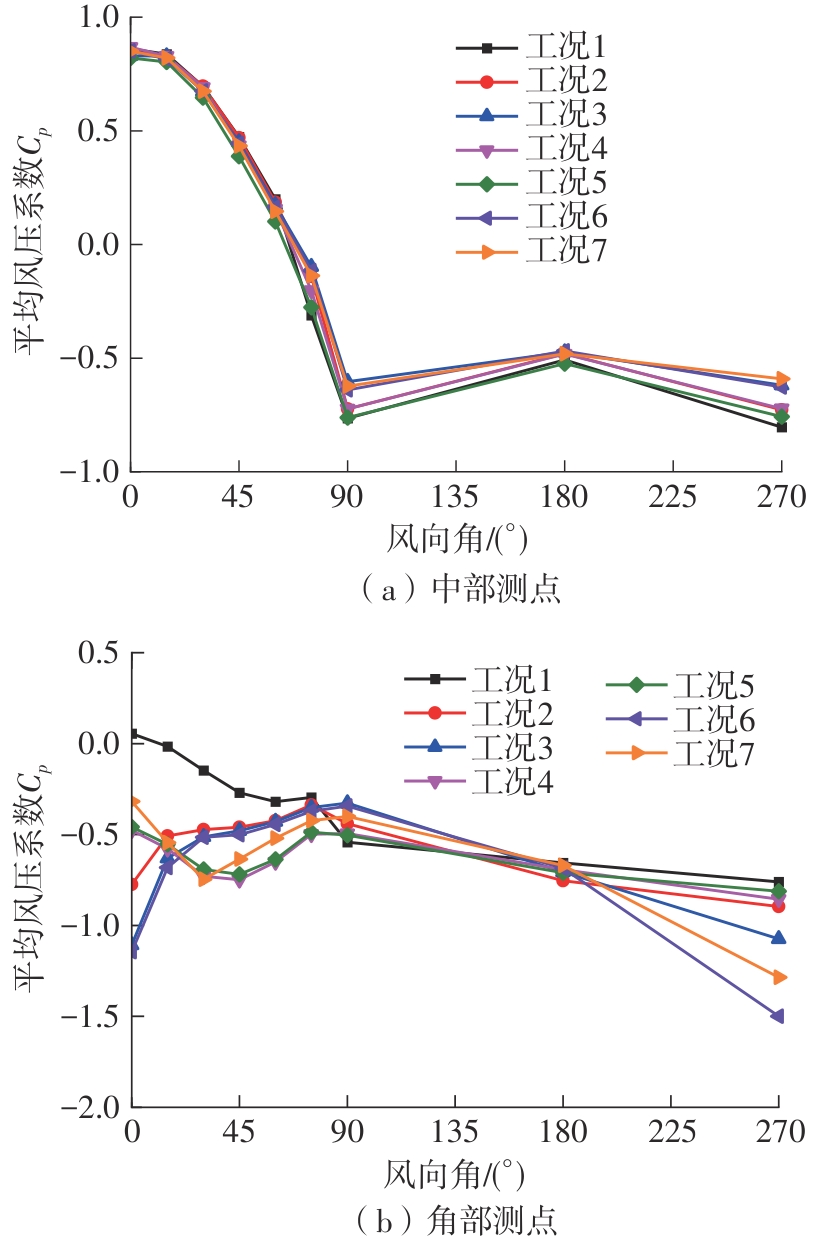
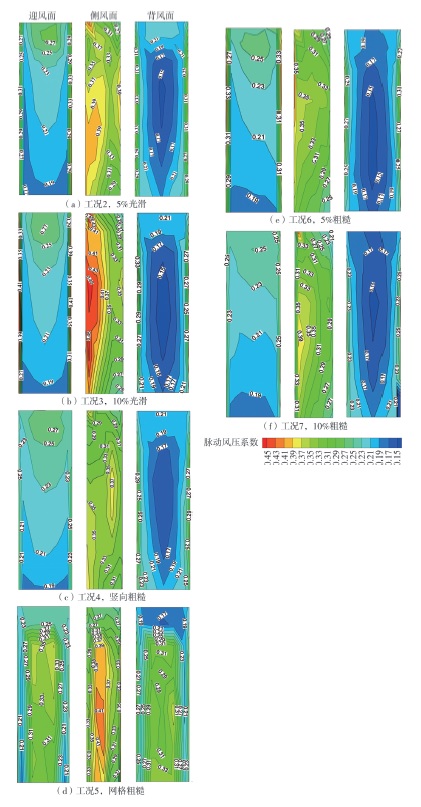
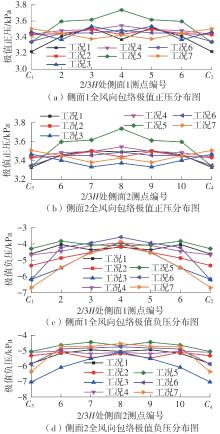
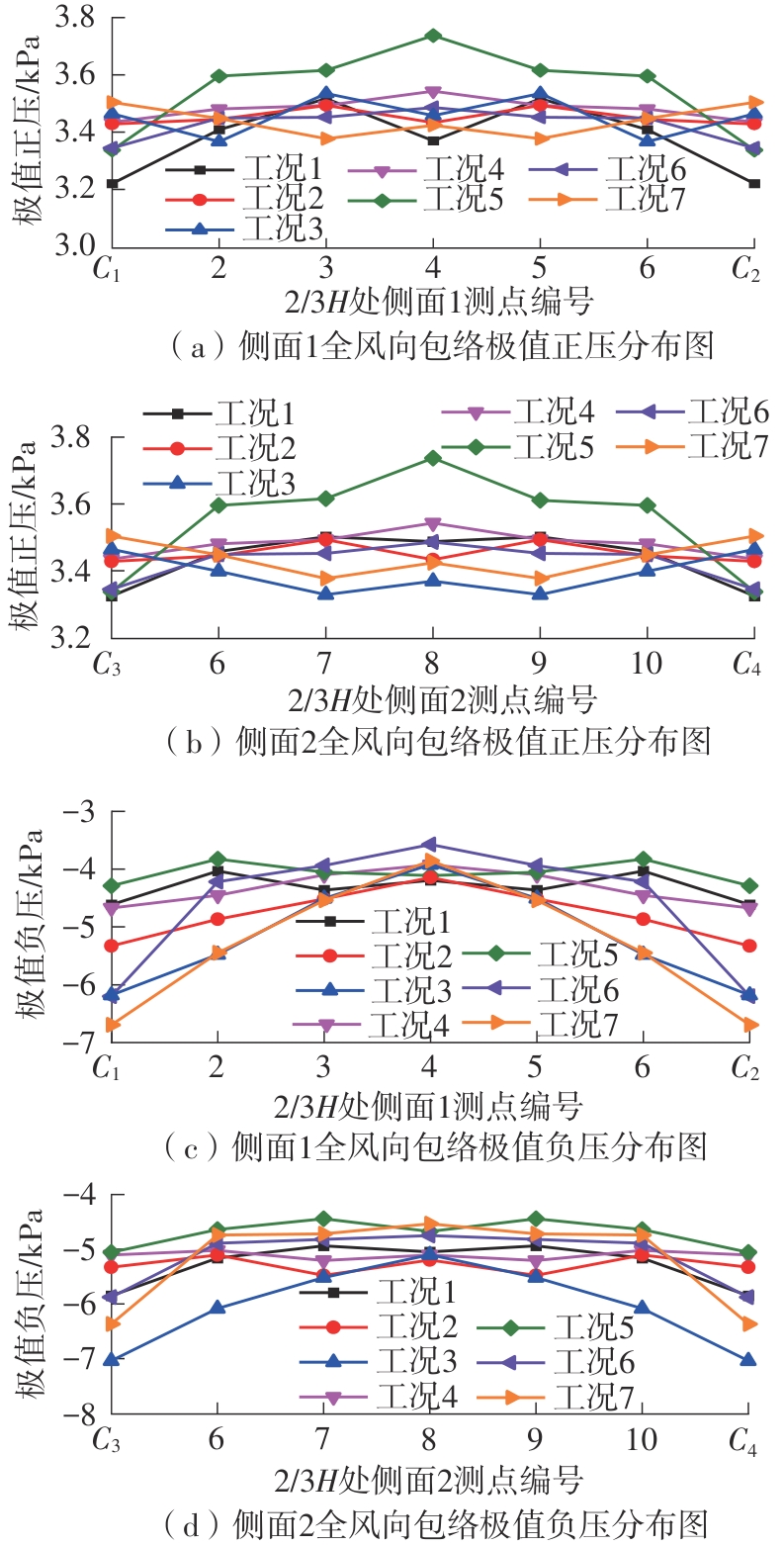
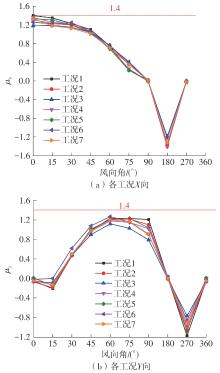
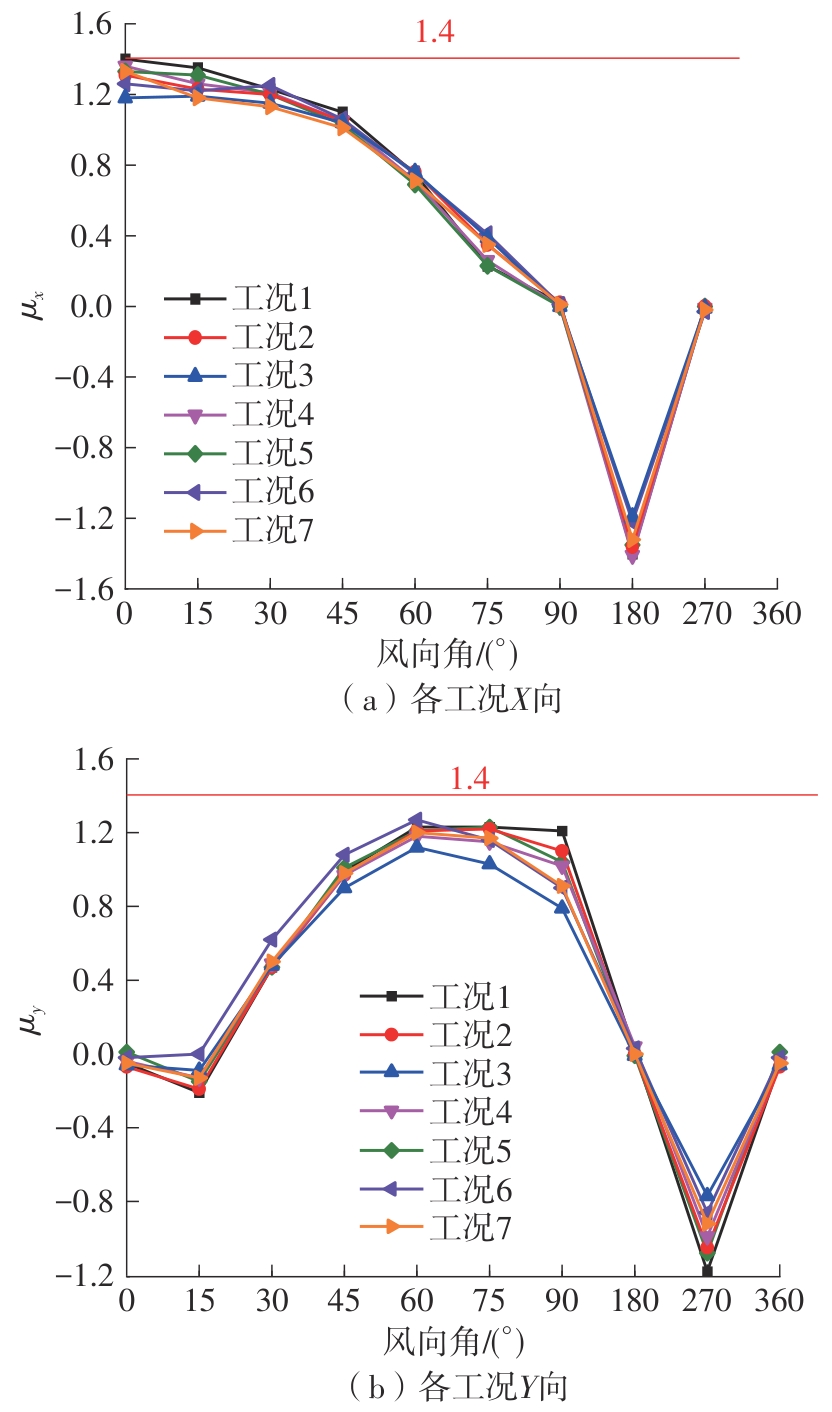
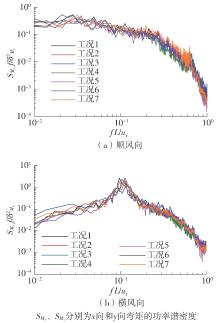
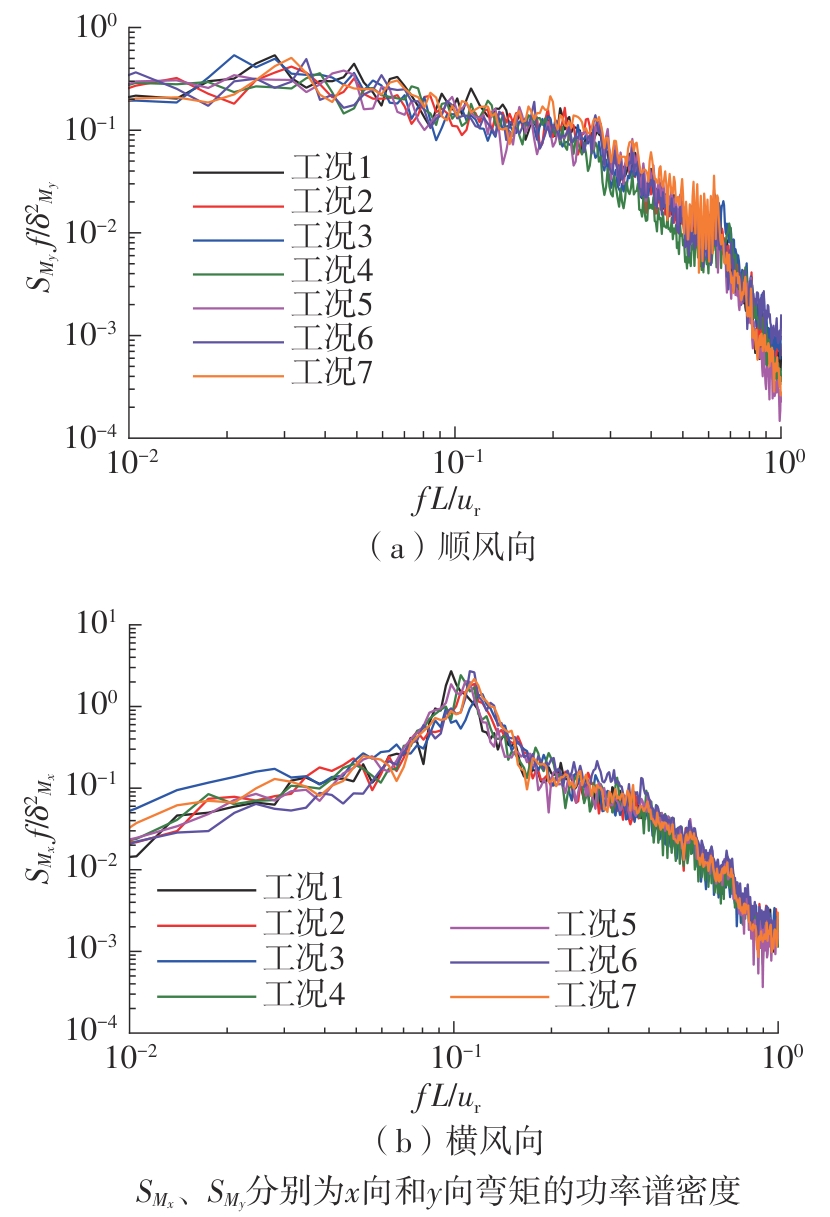
现代高层建筑表面常设有遮阳条、竖向装饰条等局部构件,建筑角区也通常采用圆弧化等设计措施。这些常见建筑设计特征对风荷载的影响不容忽略,而当前设计规范有待完善。以CAARC高层建筑标准模型为研究对象,通过刚性模型测压试验和高频天平测力试验,研究了建筑表面布置粗糙条和角区圆弧化共计7种工况对结构风荷载的影响。研究结果显示:光滑模型工况下,随圆角率由0增至10%,建筑迎风面角区极值负压绝对值会逐渐增加,最大增幅约为38.4%,而结构整体风荷载体型系数会逐渐减小,X向和Y向整体体型系数的最大减幅分别约为26.3%和39.9%;模型表面增设厚度为1.5 mm的竖向或网格粗糙条时,有利于减小结构角区及中部的极值负压绝对值,最大降幅为13.68%,对结构整体体型系数而言,粗糙条模型比直角光滑模型略有下降;布置竖向粗糙条和圆弧角对建筑角区表面风压的影响并不是一个简单的叠加关系,当同时布置竖向粗糙条和圆弧角时,角区的极值负压绝对值幅度增大,最大增幅为45.1%;布置粗糙条或角区圆弧化后,横风向功率谱峰值降低,功率谱峰值对应无量纲频率增大。

关键词: CAARC标准模型, 风荷载, 圆弧角, 粗糙条, 风洞试验

Abstract:

Modern high-rise building façades often feature local elements such as sunshades and vertical decorative strips, and corner areas of buildings commonly adopt design measures like rounding or curving. The influence of these common architectural design features on wind loads cannot be ignored, and the current code needs to be improved., This paper takestook the CAARC high-rise building standard model as the research object, and studied the influence of rough strips and rounded corner on the wind load of the structure through a series of rigid model pressure measurement wind tunnel tests and high-frequency balance force tests. The studies show that: 1) Under the smooth model condition, with the increase of rounding angle from 0% to 10%, the absolute value of the peak negative pressure in the corner area of the windward surface of the building will gradually increase, and with the maximum increase is of about 38.4%; The global body shape coefficients of the structure will gradually decrease, and the maximum reduction of the global body shape coefficients in the X direction and Y direction is about 26.3% and 39.9%, respectively. 2) Under the condition of arranging vertical or grid rough strips with a thickness of 1.5 mm on the surface of the model, it is beneficial to reduce the absolute value of the peak negative pressure in the corner and middle of the structure, with a maximum reduction of 13.68%; For the global body shape coefficients of the structure, the rough strip model is slightly lower than the smooth mode. 3) The influence of arranging rough strips and rounded corner on wind pressure of building corner areas is not a simple superposition relationship. When both rough strips and rounded corner are arranged, the absolute value of the peak negative pressure in the corner area increases, with a maximum increase of 45.1%. 4) After the installation of roughness elements or the rounding of corner areas, the peak value of the crosswind power spectrum decreases, and the dimensionless frequency corresponding to the spectral peak increases.

Key words: CAARC standard model, wind loads, rounded corner, rough strips, wind tunnel test

中图分类号: