华南理工大学学报(自然科学版) ›› 2026, Vol. 54 ›› Issue (2): 102-111.doi: 10.12141/j.issn.1000-565X.250302

• 生物工程 • 上一篇    下一篇

鸡肉肽-亚铁螯合物对缺铁性贫血小鼠的影响

刘蕊莉1(), 宋雪盈1, 苗晋鑫2, 赵谋明1, 苏国万1()   

  1. 1.华南理工大学 食品科学与工程学院,广东 广州 510640
    2.河南中医药大学 中医药科学院,河南 郑州 450046
  • 收稿日期:2025-08-27 出版日期:2026-02-25 发布日期:2025-09-19
  • 通信作者: 苏国万 E-mail:306147380@qq.com;fegwsu@scut.edu.cn
  • 作者简介:刘蕊莉(1985—),女,博士,主要从事食品生物技术研究。E-mail: 306147380@qq.com
  • 基金资助:
    国家重点研发计划项目(2024YFF1106803)

Effect of Chicken Peptide-Ferrous Chelate on Iron Deficiency Anemia in Mice

LIU Ruili1(), SONG Xueying1, MIAO Jinxin2, ZHAO Mouming1, SU Guowan1()   

  1. 1.School of Food Science and Engineering,South China University of Technology,Guangzhou 510640,Guangdong,China
    2.Academy of Chinese Medical Sciences,Henan University of Chinese Medicine,Zhengzhou 450046,Henan,China
  • Received:2025-08-27 Online:2026-02-25 Published:2025-09-19
  • Contact: SU Guowan E-mail:306147380@qq.com;fegwsu@scut.edu.cn
  • Supported by:
    the Research and Development Program of China(2024YFF1106803)

摘要:

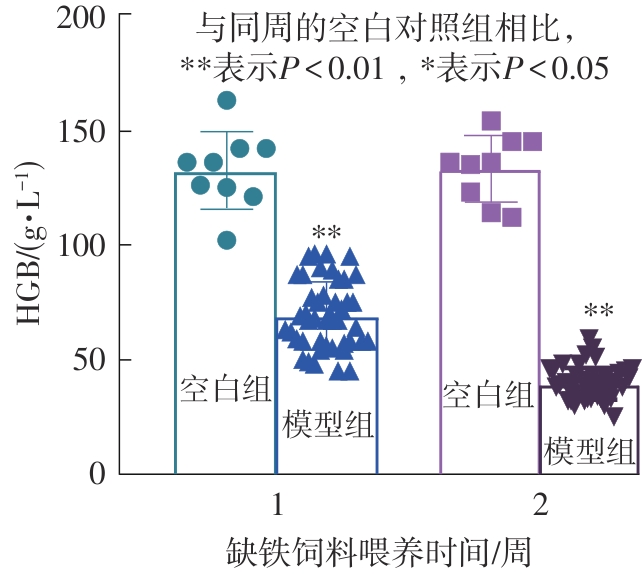
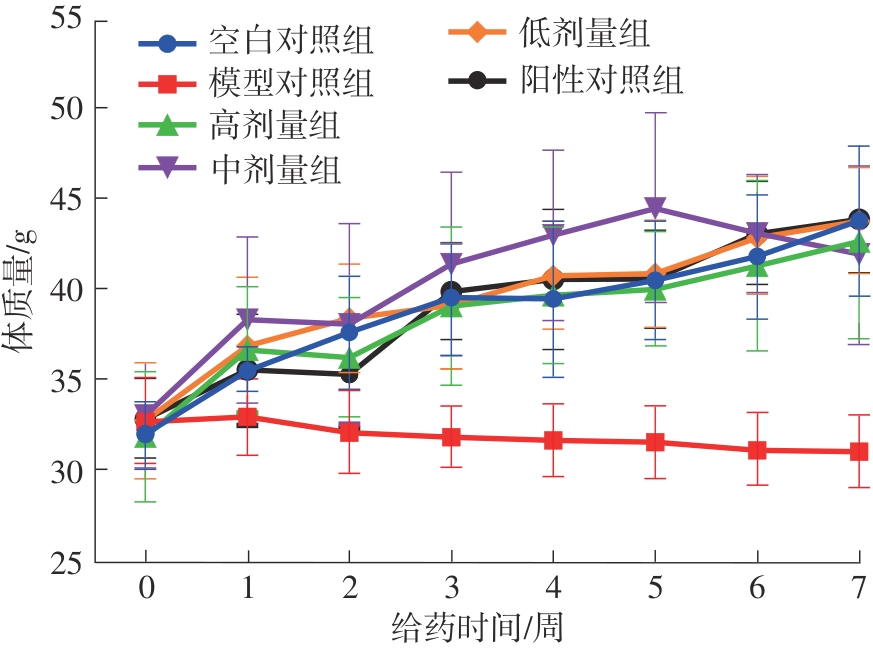
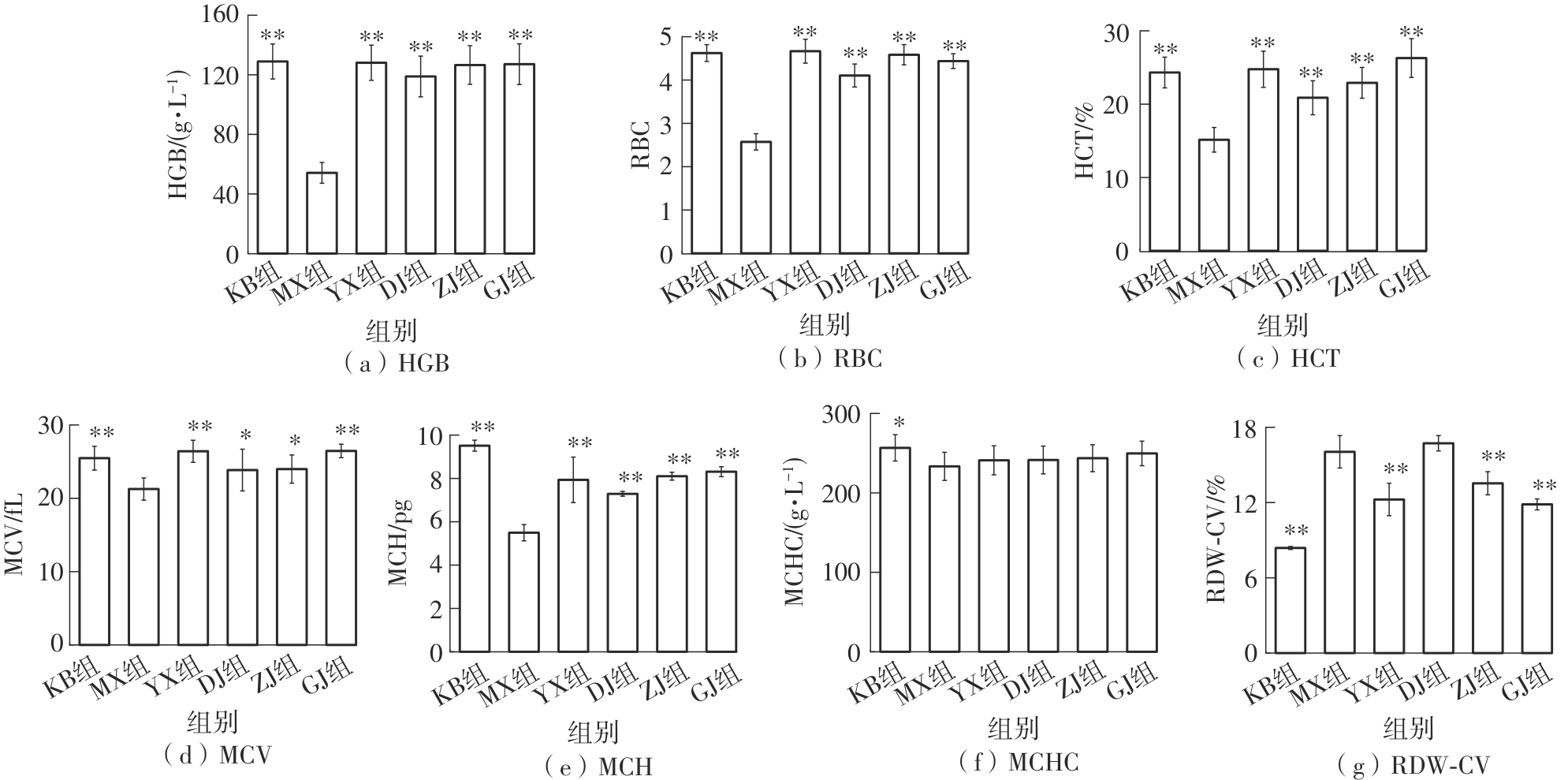
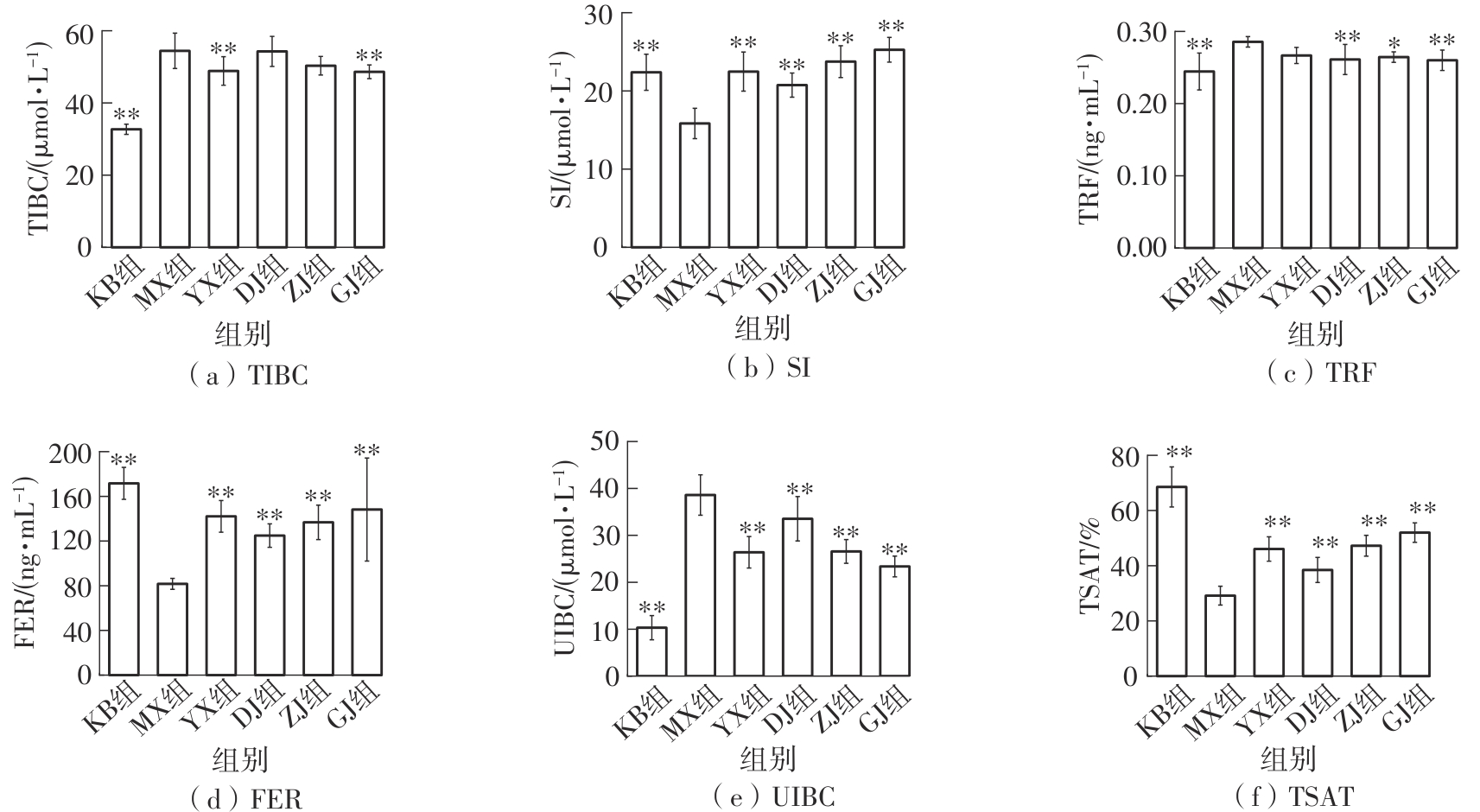
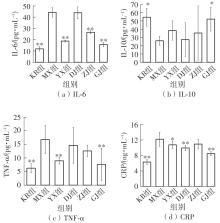
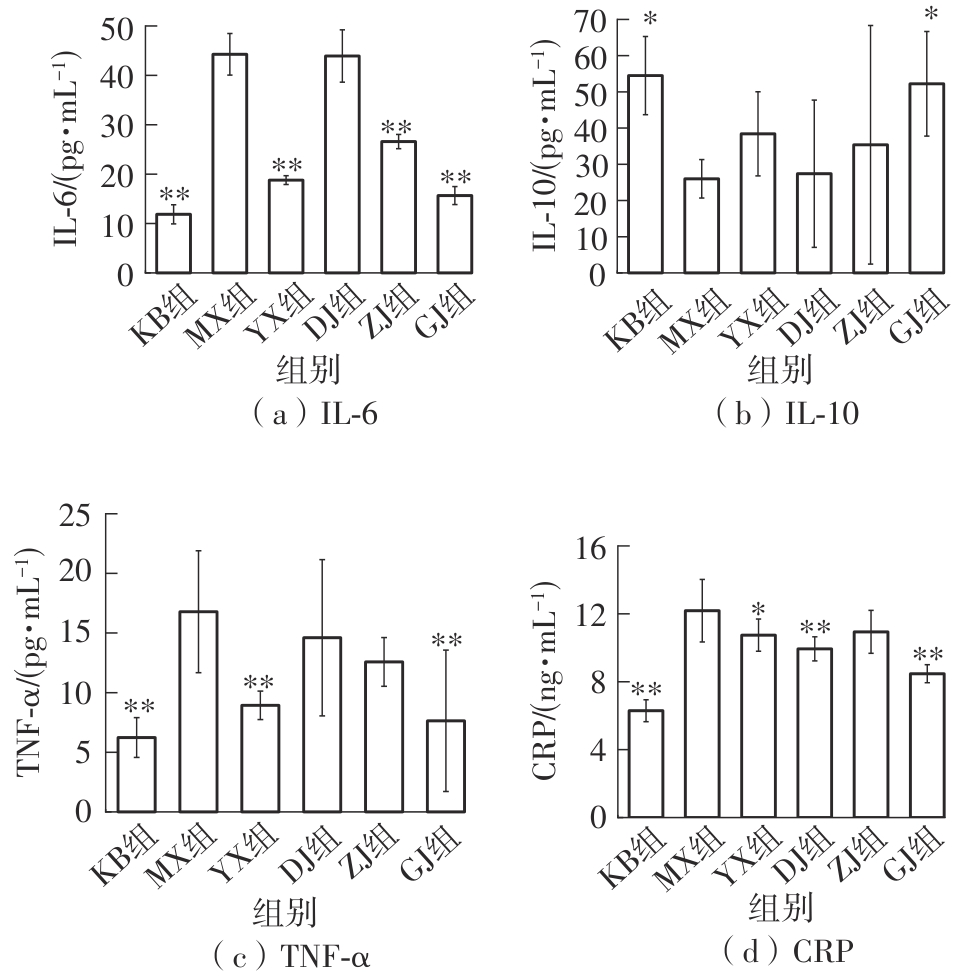
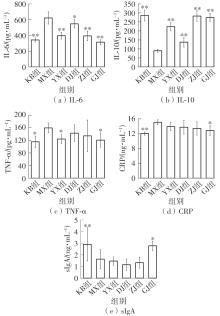
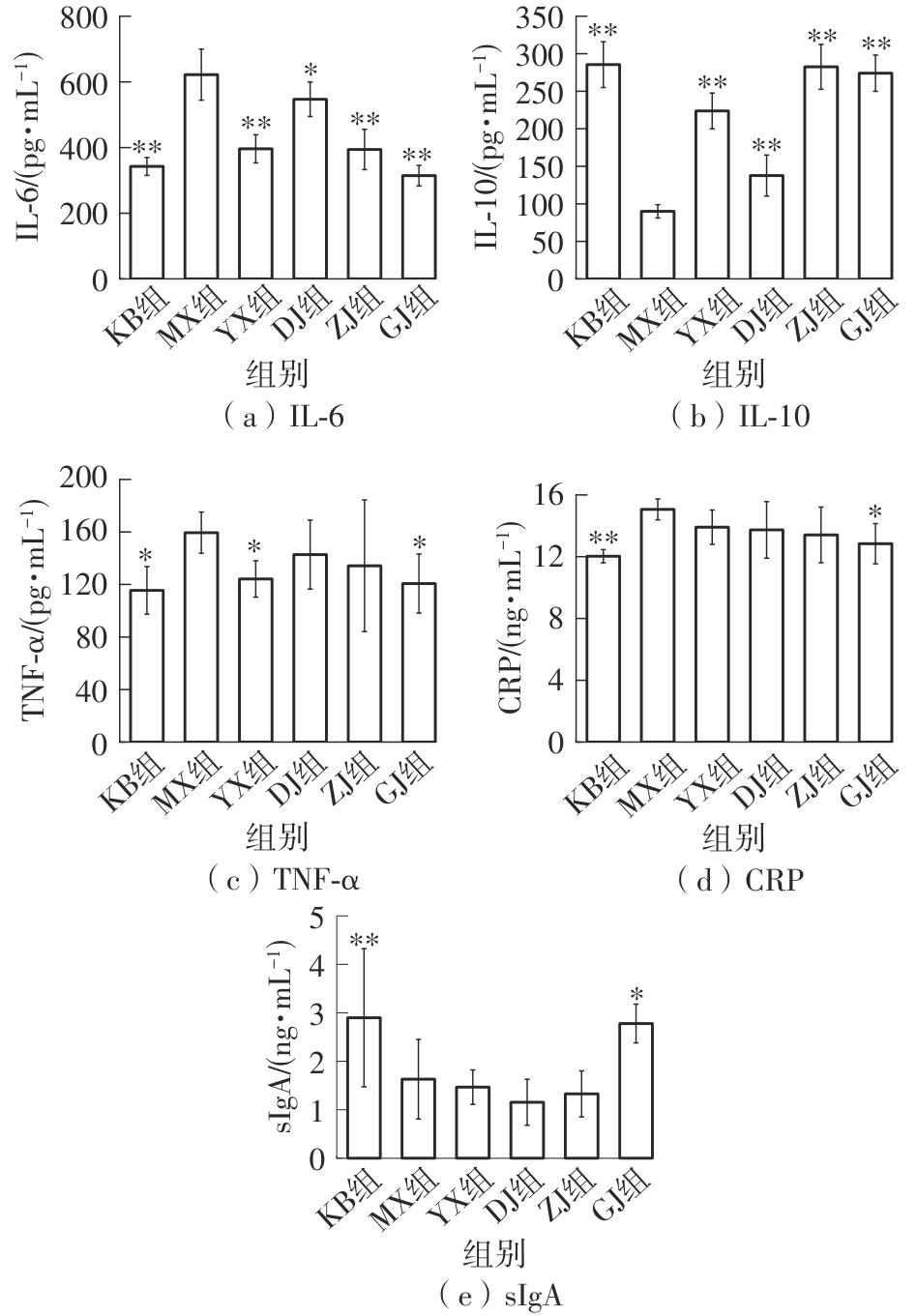
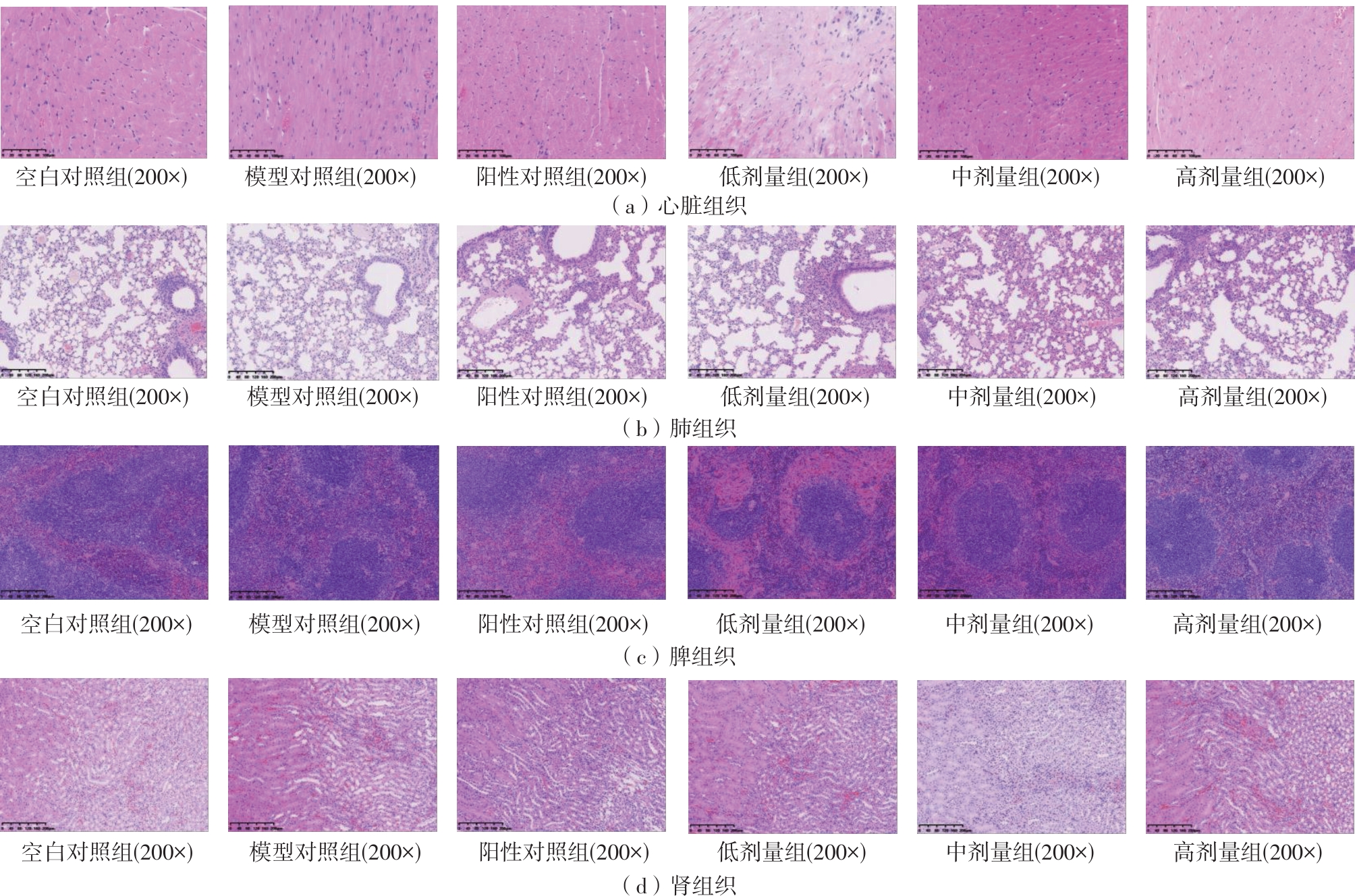
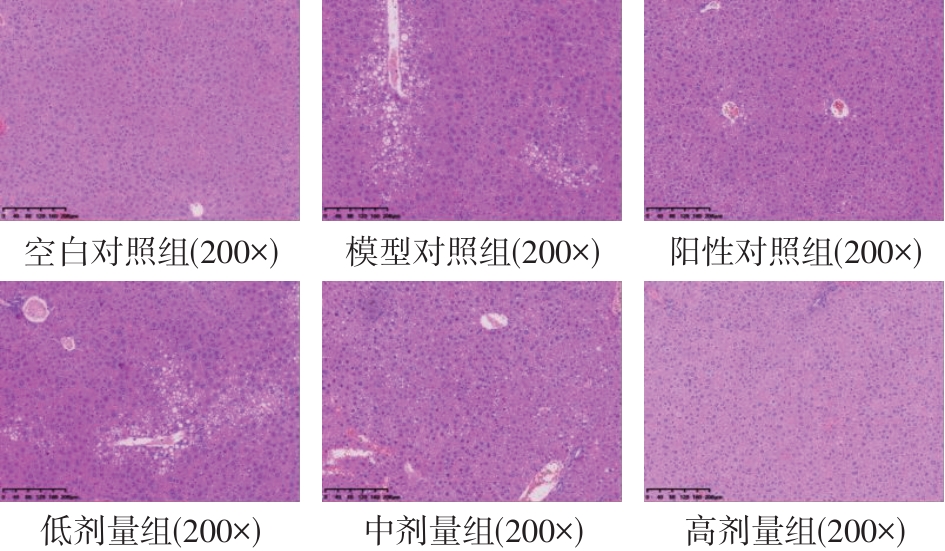
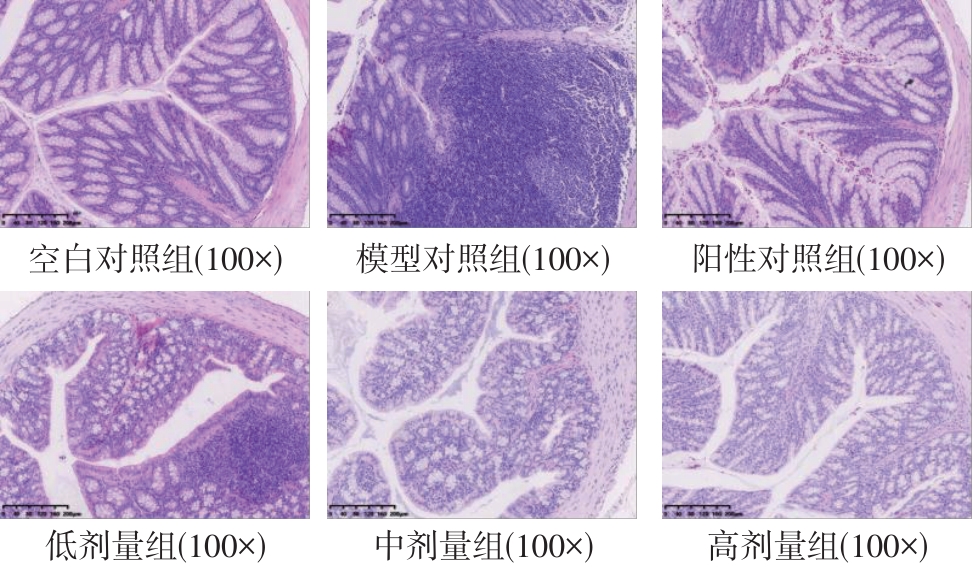
该文系统探讨了鸡肉肽-亚铁螯合物(CMP-Fe)对缺铁性贫血(IDA)小鼠贫血症状的改善作用,并从体质量变化、血常规参数、铁代谢指标、炎症反应及组织病理学等多个维度,综合评价其干预效应。实验结果表明:与模型组相比,CMP-Fe各剂量组(按小鼠体质量计,小、中、高剂量组分别喂食Fe 1.0、2.0、3.0 mg/kg)的小鼠体质量、血常规指标(包括红细胞计数RBC、血红蛋白HGB、红细胞压积HCT、平均红细胞体积MCV、平均红细胞血红蛋白含量MCH、平均红细胞血红蛋白浓度MCHC、红细胞分布宽度-变异系数RDW-CV)及血清铁代谢指标(包括血清铁SI、总铁结合力TIBC、转铁蛋白TRF、铁蛋白FER、转铁蛋白饱和度TSAT、不饱和铁结合力UIBC)均得到显著改善,且高剂量组效果最为突出。CMP-Fe对RBC、HGB、HCT等红细胞系指标的改善作用与阳性对照组相当,并呈现明显的剂量依赖性(小、中、高剂量梯度)。在炎症调控方面,CMP-Fe可抑制血清及结肠促炎因子(IL-6、TNF-α和CRP)的产生,同时提升抑炎因子IL-10及肠道黏膜免疫标志物sIgA的水平。具体而言,CMP-Fe组小鼠结肠组织中IL-6、TNF-α及CRP等促炎因子水平显著低于模型对照组(P < 0.05),提示其可有效调节IDA伴随的炎症反应;尤其在高剂量CMP-Fe干预下,小鼠sIgA水平的恢复效果优于模型对照组(P< 0.05),甚至超过阳性对照组。组织病理学检查显示,CMP-Fe对小鼠的心、肺、脾、肾等器官无明显病理性损伤,表明其具有良好的生物安全性;同时,该螯合物还能显著缓解铁缺乏引起的肠道及肝脏组织病理损伤。综上所述,CMP-Fe可有效改善IDA小鼠的铁代谢紊乱、抑制炎症反应、减轻肠道及肝脏组织损伤,且安全性良好,是一种具有开发潜力的新型有机补铁剂,可用于猫、狗等多种宠物专用粮及营养补充剂的产品开发。

关键词: 鸡肉肽-亚铁螯合物, 缺铁性贫血, 铁代谢, 炎症调控

Abstract:

This study systematically investigated the ameliorative effect of Chicken Peptide-Ferrous Chelate (CMP-Fe) on anemia symptoms in mice with iron deficiency anemia (IDA). The intervention effects were comprehensively evaluated through multiple dimensions, including changes in body weight, blood routine parameters, iron metabolism indicators, inflammatory responses, and tissue protection. The experimental results showed that, compared to the model group, all CMP-Fe dose groups (with low-dose, medium-dose, and high-dose administered at Fe 1.0, 2.0 and 3.0 mg/kg, respectively, based on mouse body weight) exhibited significant improvements in body weight, blood routine parameters (including red blood cell count RBC, hemoglobin HGB, hematocrit HCT, mean corpuscular volume MCV, mean corpuscular hemoglobin MCH, mean corpuscular hemoglobin concentration MCHC, and red blood cell distribution width-coefficient of variation RDW-CV), and serum iron metabolism markers (including serum iron SI, total iron-binding TIBC, transferrin receptor TRF, ferritin FER, transferrin saturation TSAT, and unsaturated iron-binding capacity UIBC), with the high-dose group demonstrating the most pronounced effects. The ameliorative effects of CMP-Fe on erythrocyte-related parameters such as RBC, HGB, and HCT were comparable to those of the positive control group and exhibited a clear dose-dependent trend (low, medium, and high dose gradients). In terms of inflammation regulation, CMP-Fe could suppress the production of serum and colonic pro-inflammatory factors (IL-6, TNF-α, and CRP), while elevating the levels of the anti-inflammatory factor IL-10 and the intestinal mucosal immune marker sIgA. Specifically, the levels of pro-inflammatory factors such as IL-6, TNF-α, and CRP in the colonic tissues of mice in the CMP-Fe group were significantly lower than those in the model control group (P < 0.05), suggesting that CMP-Fe effectively modulates the inflammatory response asso-ciated with IDA. Notably, under high-dose CMP-Fe intervention, the recovery of sIgA levels in mice outperformed that of the model control group (P < 0.05) and even exceeded that of the positive control group. Histopathological examination shows that CMP-Fe causes no significant pathological damage to organs such as the heart, lungs, spleen, and kidneys in mice, indicating its favorable biosafety. Meanwhile, this chelate also significantly alleviates pathological injuries in intestinal and liver tissues caused by iron deficiency. In conclusion, CMP-Fe effectively alleviates iron metabolism disorders, inhibits inflammatory responses, and mitigates intestinal and liver tissue damage in mice with IDA, while demonstrating good safety. As a promising novel organic iron supplement, it holds potential for application in the development of specialized pet foods and nutritional supplements for various animals such as cats and dogs.

Key words: Chicken Peptide-Ferrous Chelate, iron deficiency anemia, iron metabolism, inflammation regulation

中图分类号: