Journal of South China University of Technology(Natural Science Edition) ›› 2026, Vol. 54 ›› Issue (3): 10-20.doi: 10.12141/j.issn.1000-565X.250222
• Energy,Power & Electrical Engineering • Previous Articles Next Articles
Data-Driven Collaborative Management Strategy for Distribution Network-User Energy Coordination
BIAN Ruien1,2, LIU Yadong1
- 1.School of Electrical Engineering,Shanghai Jiao Tong University,Shanghai 200241,China
2.Southern Power Grid Supply Chain Group Co. ,Ltd. ,Guangzhou 510630,Guangdong,China
-
Received:2026-03-25Online:2026-03-25Published:2025-10-24 -
About author:边瑞恩(1986—),男,博士生,工程师,主要从事基于数据驱动的配电网能源管理研究。E-mail: 65318572@qq.com -
Supported by:the Innovation Team of Guizhou Province’s Higher Education Institutions(QJJ[2023]064)

CLC Number:
Cite this article
BIAN Ruien, LIU Yadong. Data-Driven Collaborative Management Strategy for Distribution Network-User Energy Coordination[J]. Journal of South China University of Technology(Natural Science Edition), 2026, 54(3): 10-20.
share this article
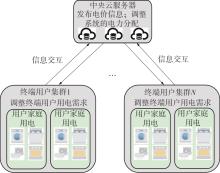
Fig.1
Structure of energy management model considering user appliance usage preferences"
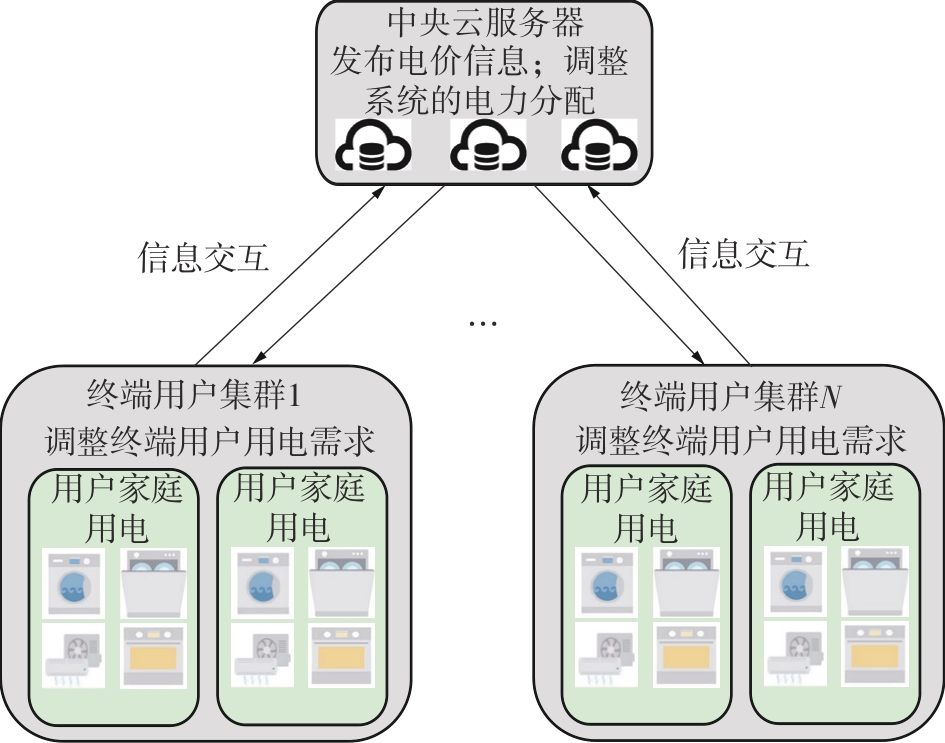
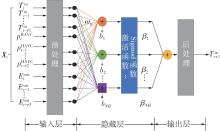
Fig.2
Online sequential extreme learning machine model"
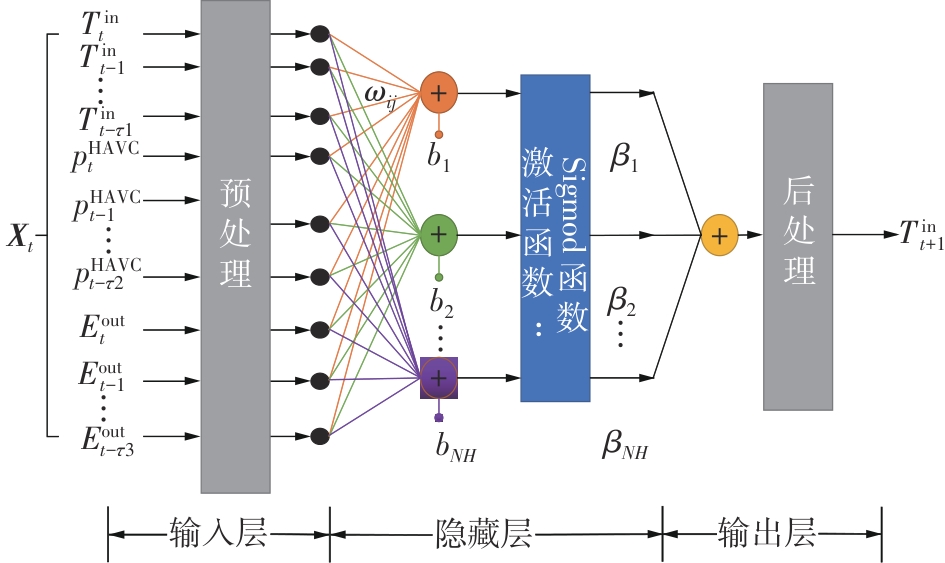
Fig.3
Inputs and outputs of the LSTM and OS-ELM"
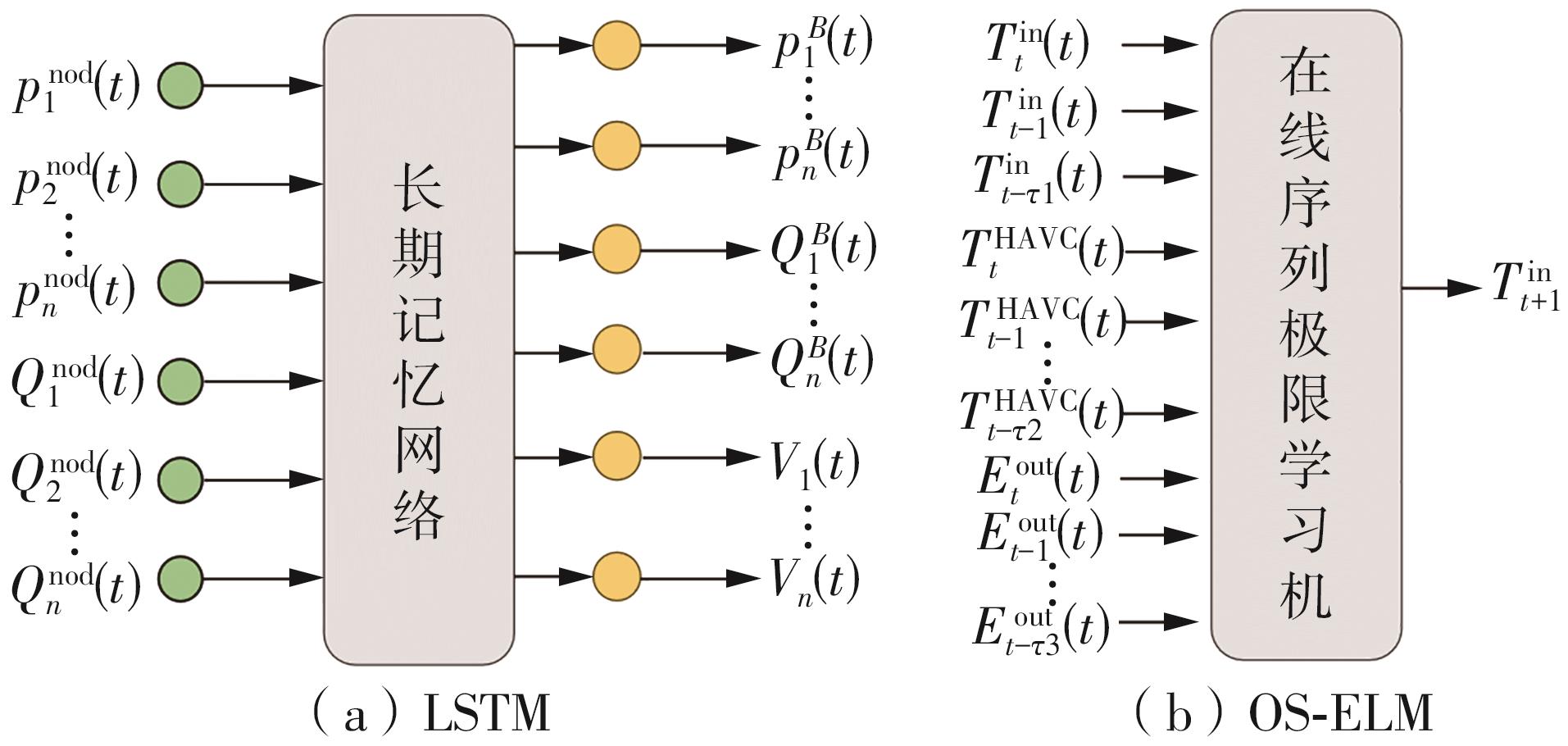
Fig.4
Optimization model framework"
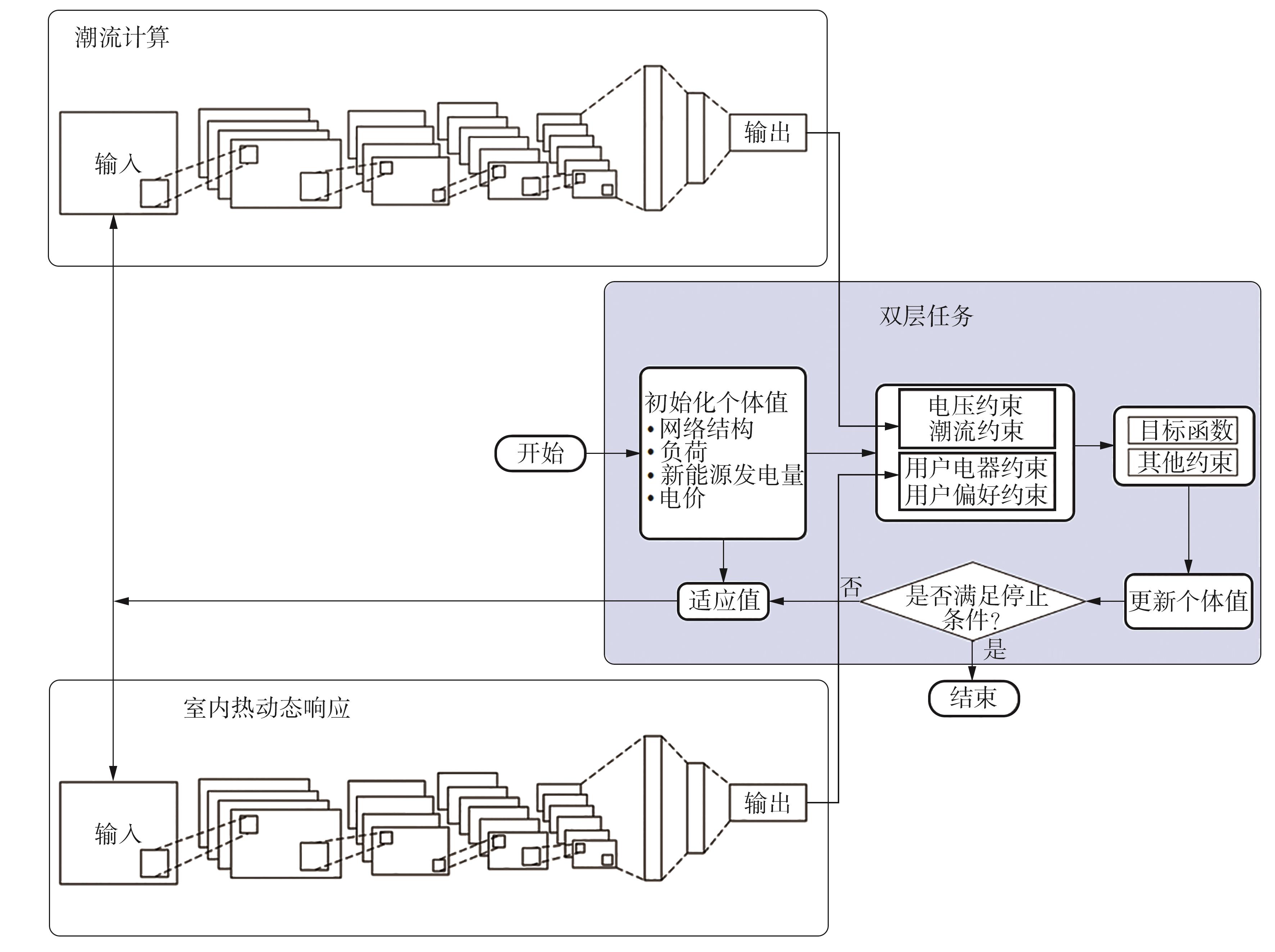
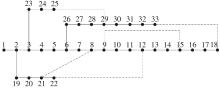
Fig.5
Diagram of IEEE-33 system"
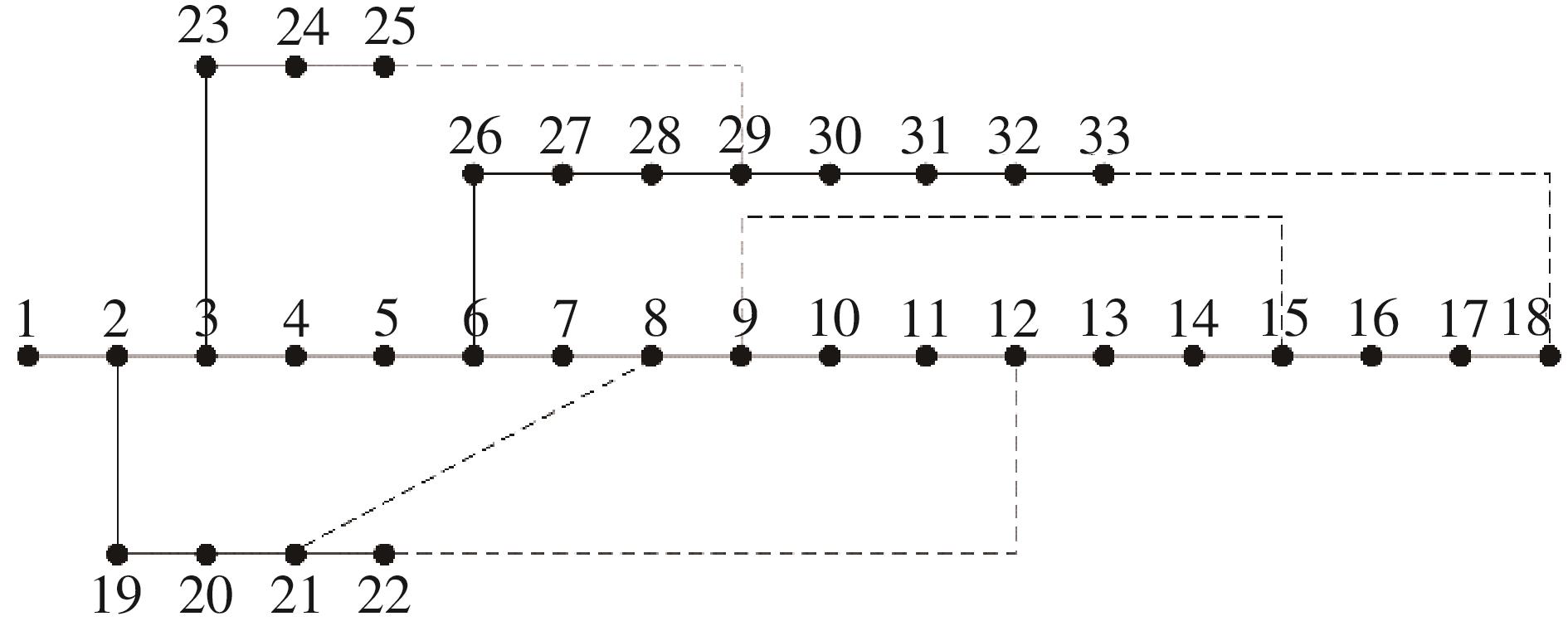
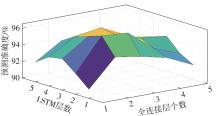
Fig.6
Optimization model performance with different number of layers"
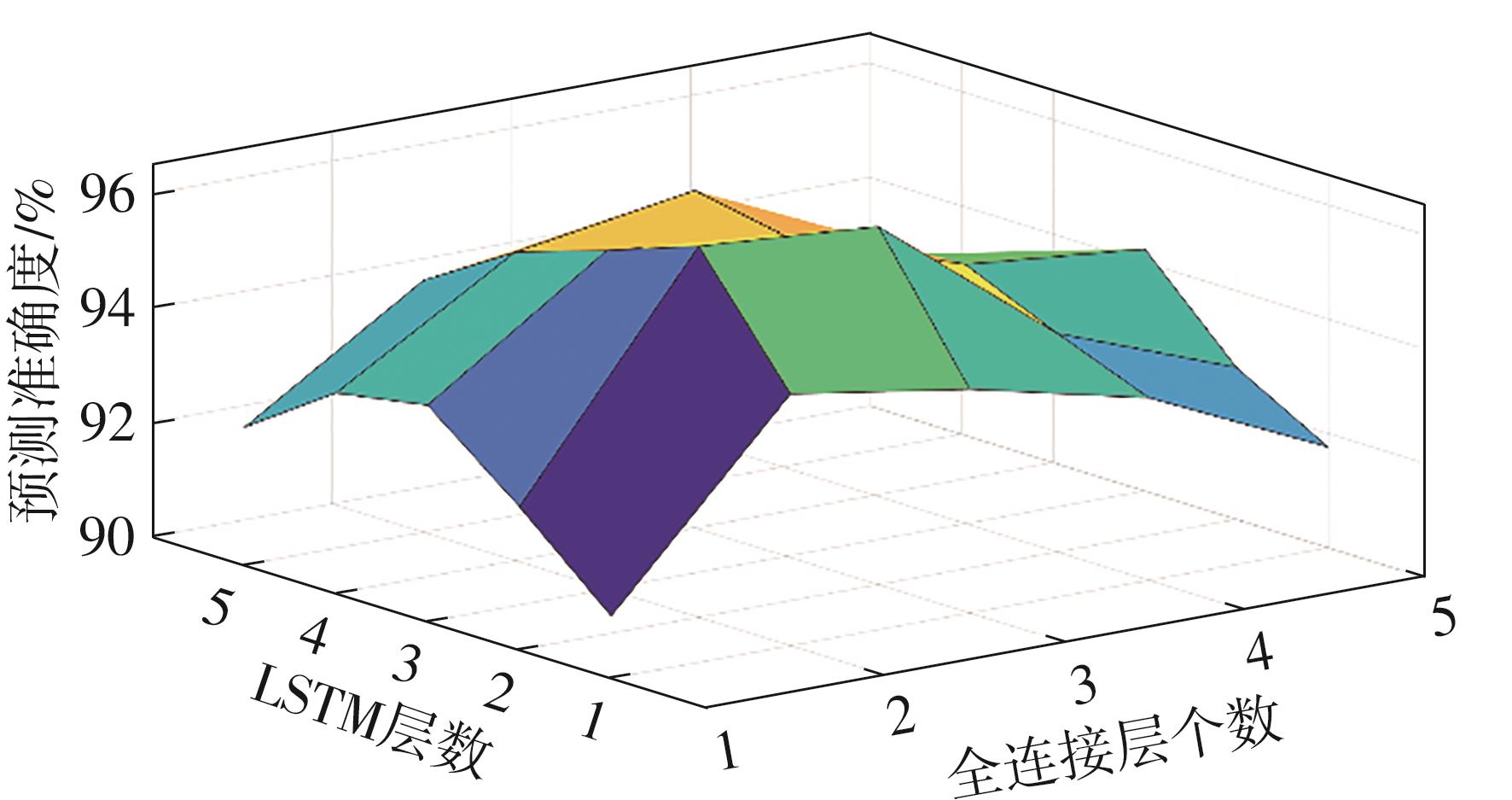
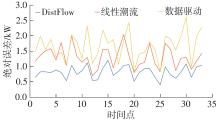
Fig.7
Prediction errors of active power of different models"
Fig.8
Prediction errors of reactive power of different models"
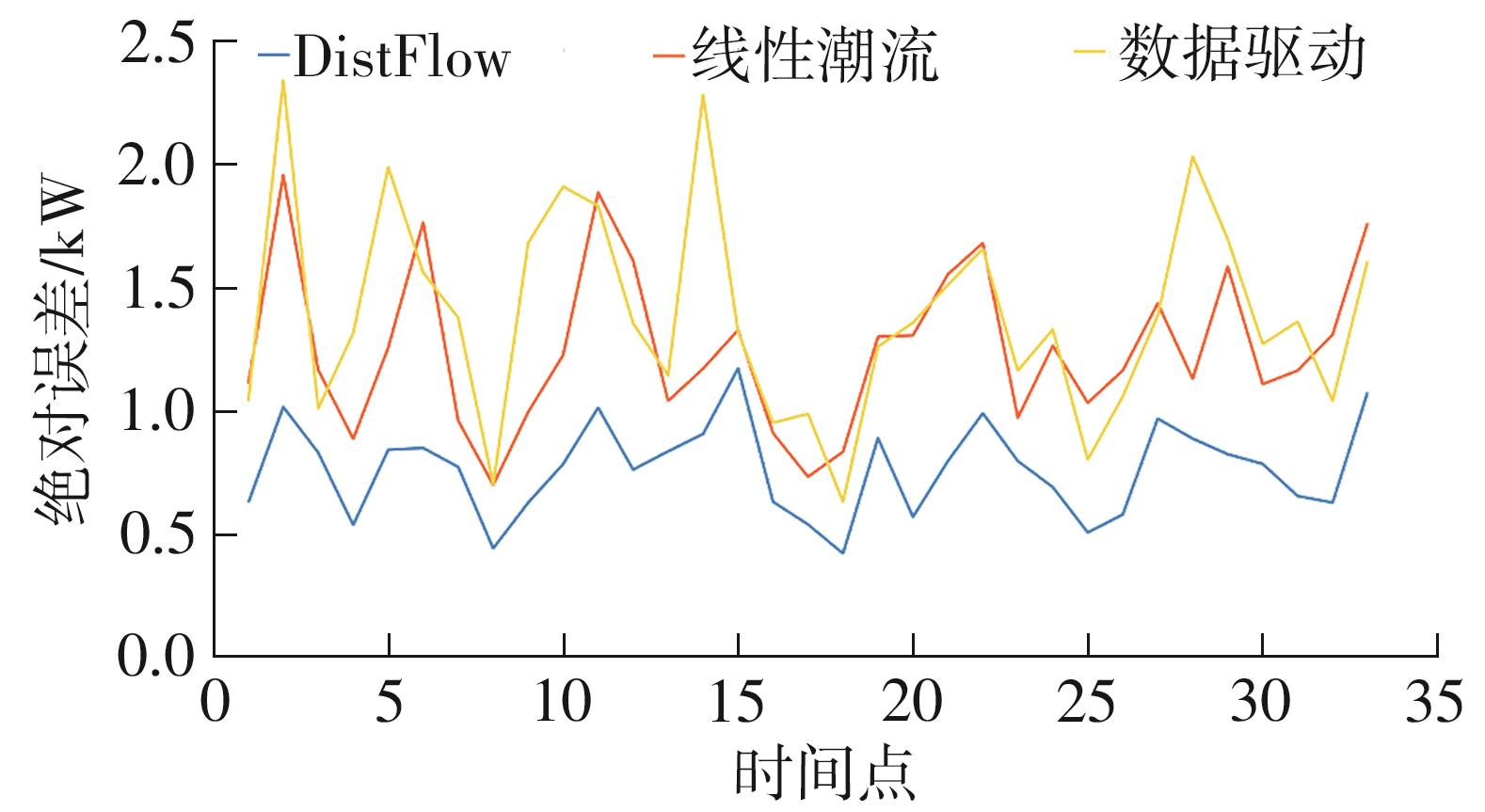
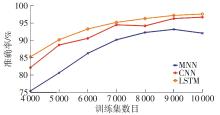
Fig.9
Model performance comparison under different image quantity conditions"
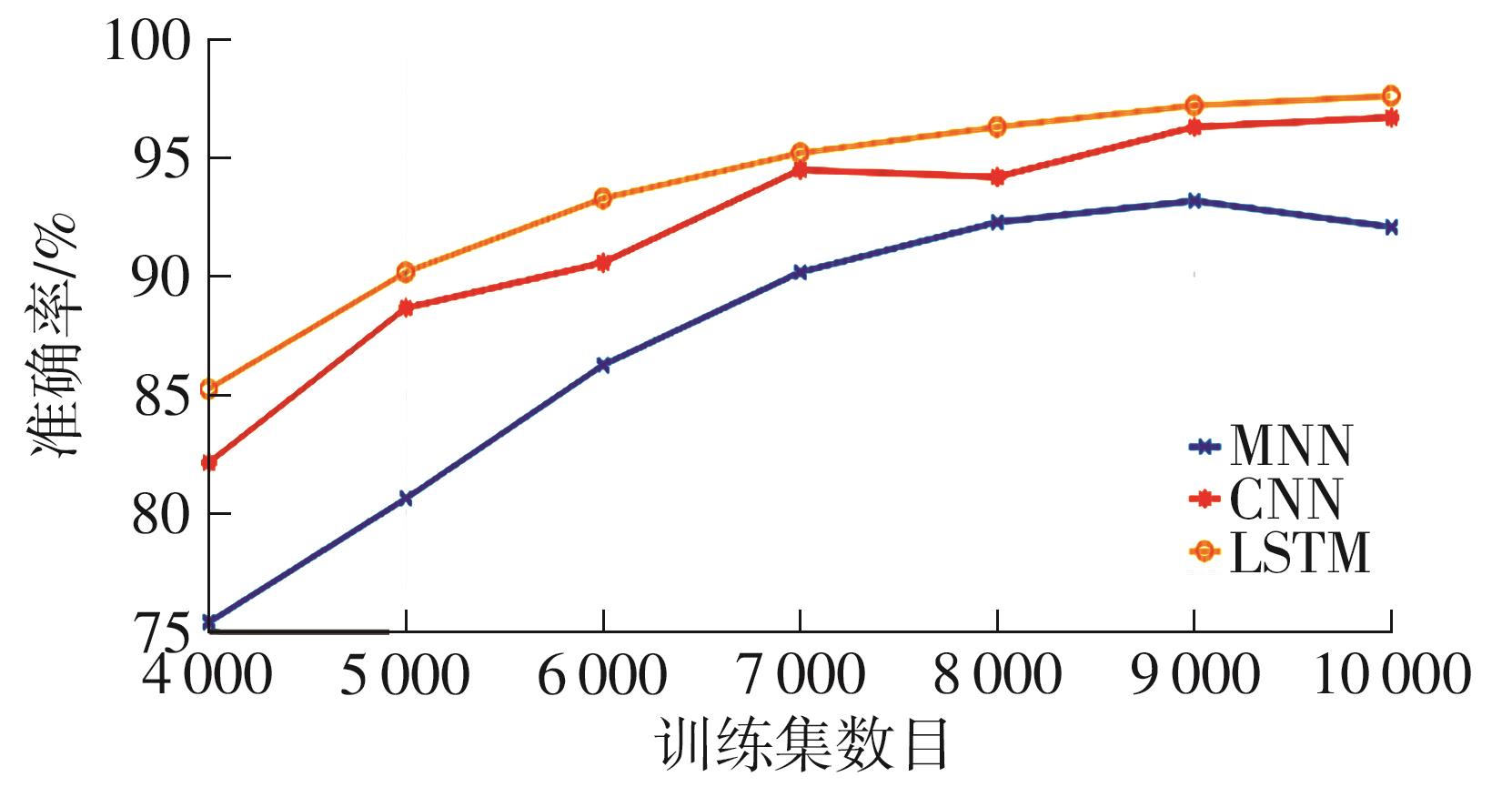
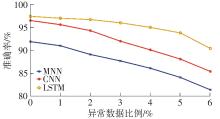
Fig.10
Model performance under different ratios of abnormal data"
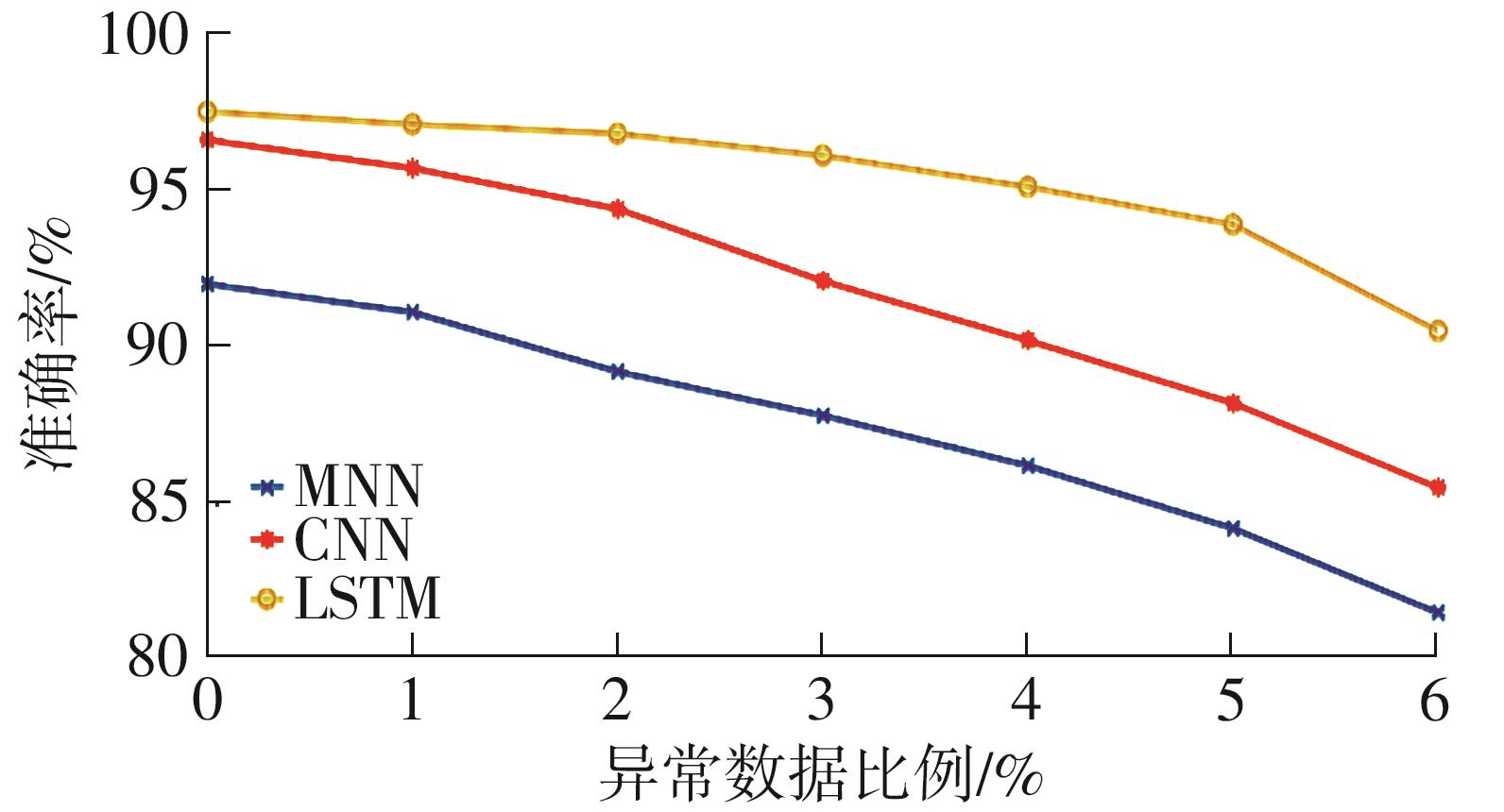
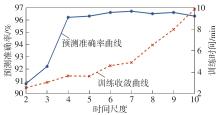
Fig.11
Model performance under different time scales"
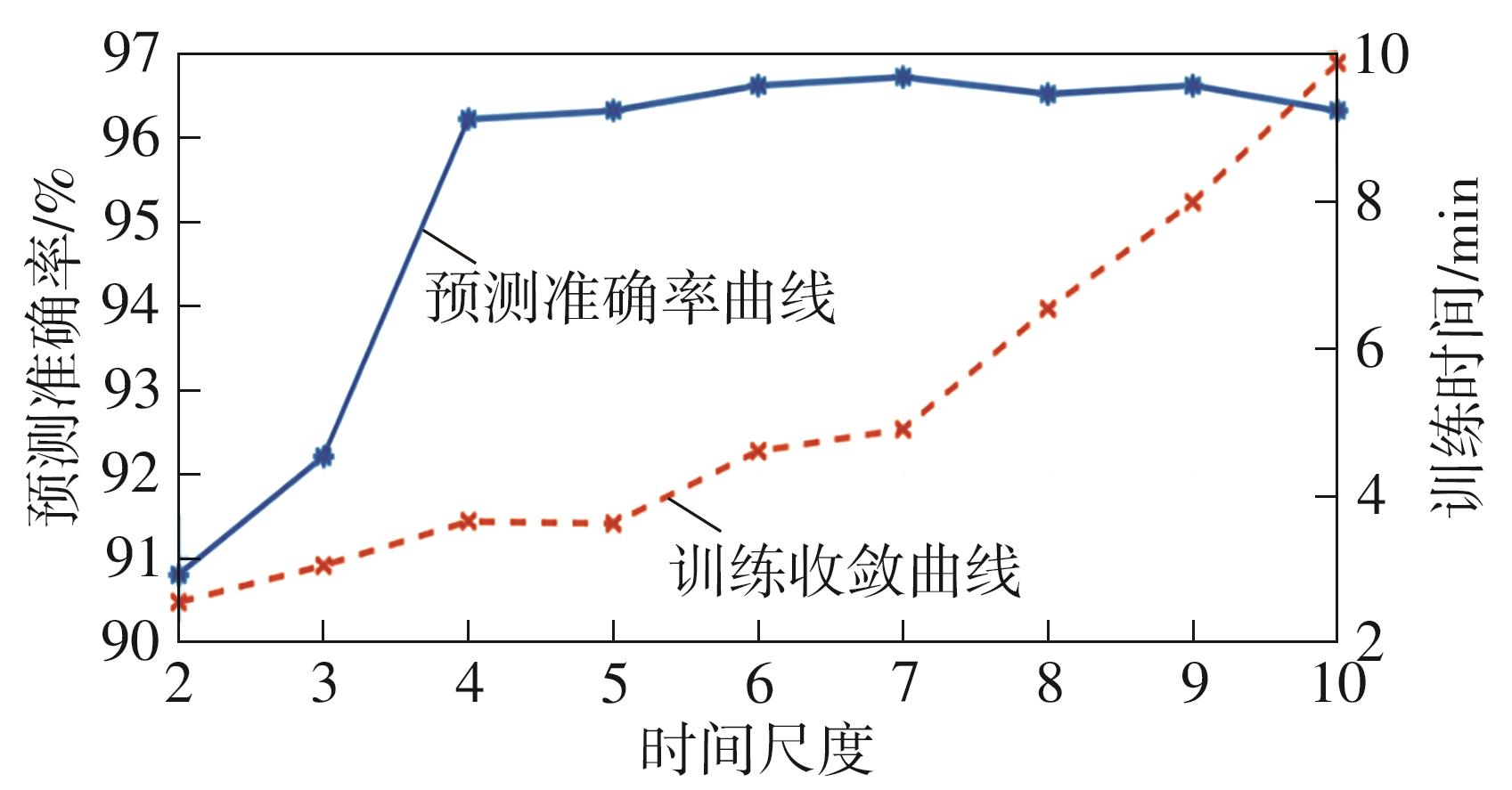
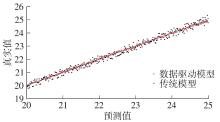
Fig.12
Thermal response estimation results"
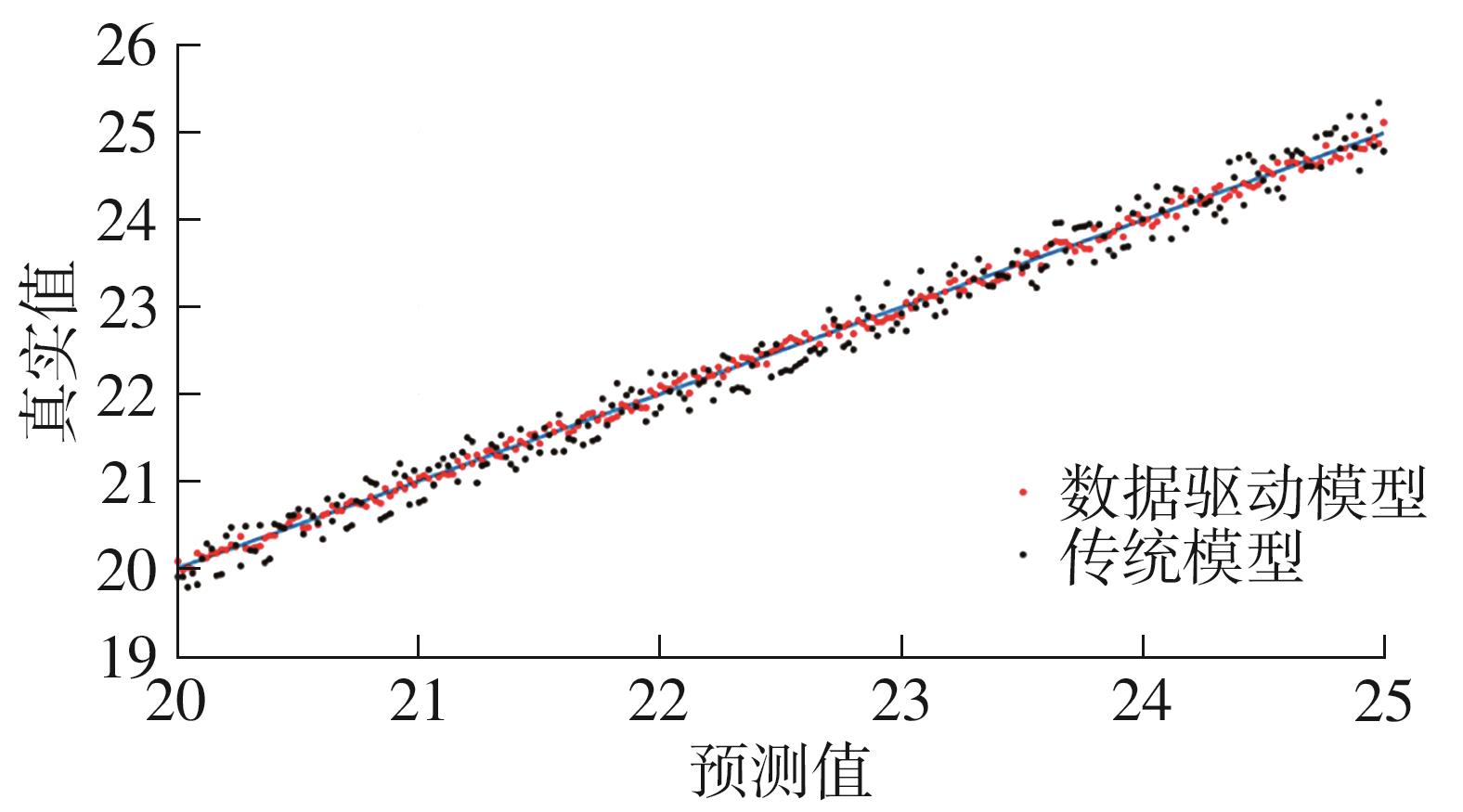

Table 1
Comparison of electricity costs"
| 节点 | 用户 | 用电成本 | 成本节约/% | |
|---|---|---|---|---|
| 传统方法 | 文中提出的方法 | |||
| 18 | 用户1 | 150.3 | 142.3 | 5.3 |
| 用户2 | 112.7 | 98.7 | 12.4 | |
| 用户3 | 89.5 | 82.1 | 8.3 | |
| 22 | 用户4 | 187.4 | 162.5 | 13.3 |
| 用户5 | 166.3 | 147.3 | 11.4 | |
| 用户6 | 124.6 | 105.7 | 15.2 | |
| 25 | 用户7 | 133.8 | 114.3 | 14.6 |
| 用户8 | 158.4 | 138.8 | 12.4 | |
| 用户9 | 141.2 | 125.4 | 11.2 | |
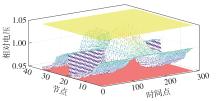
Fig.13
Voltage control results of the proposed method"
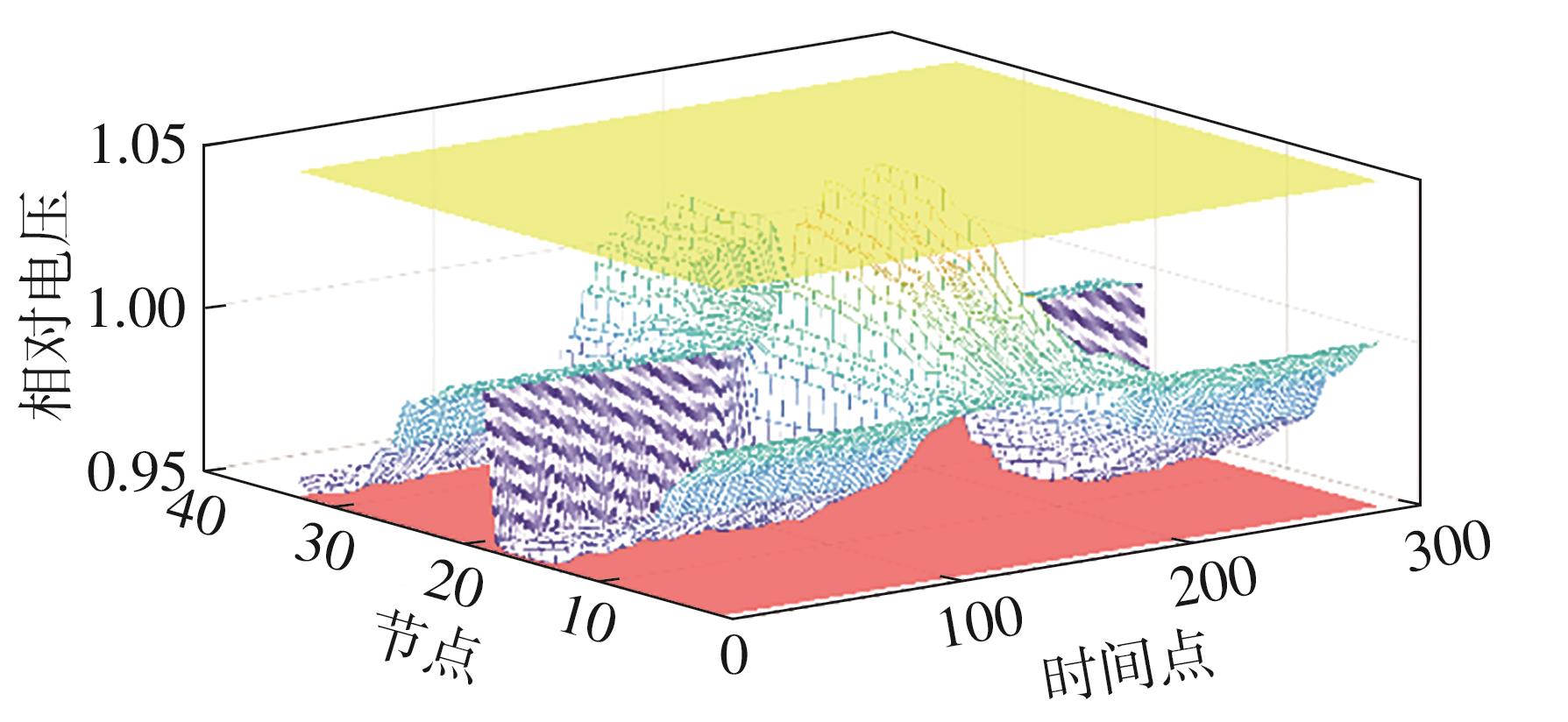
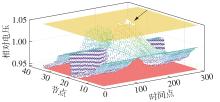
Fig.14
Voltage control results of the traditional method"
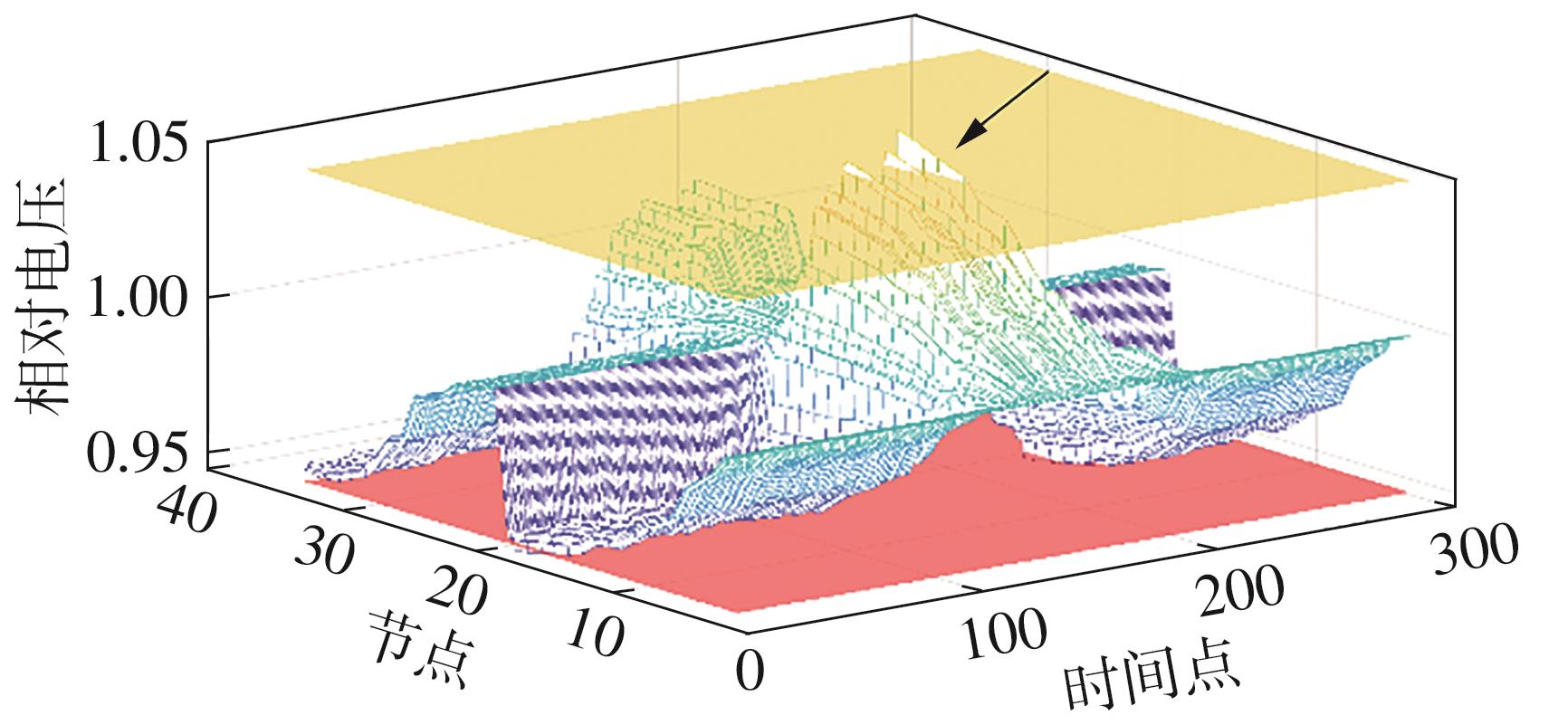
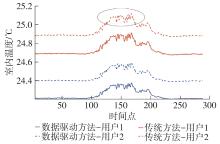
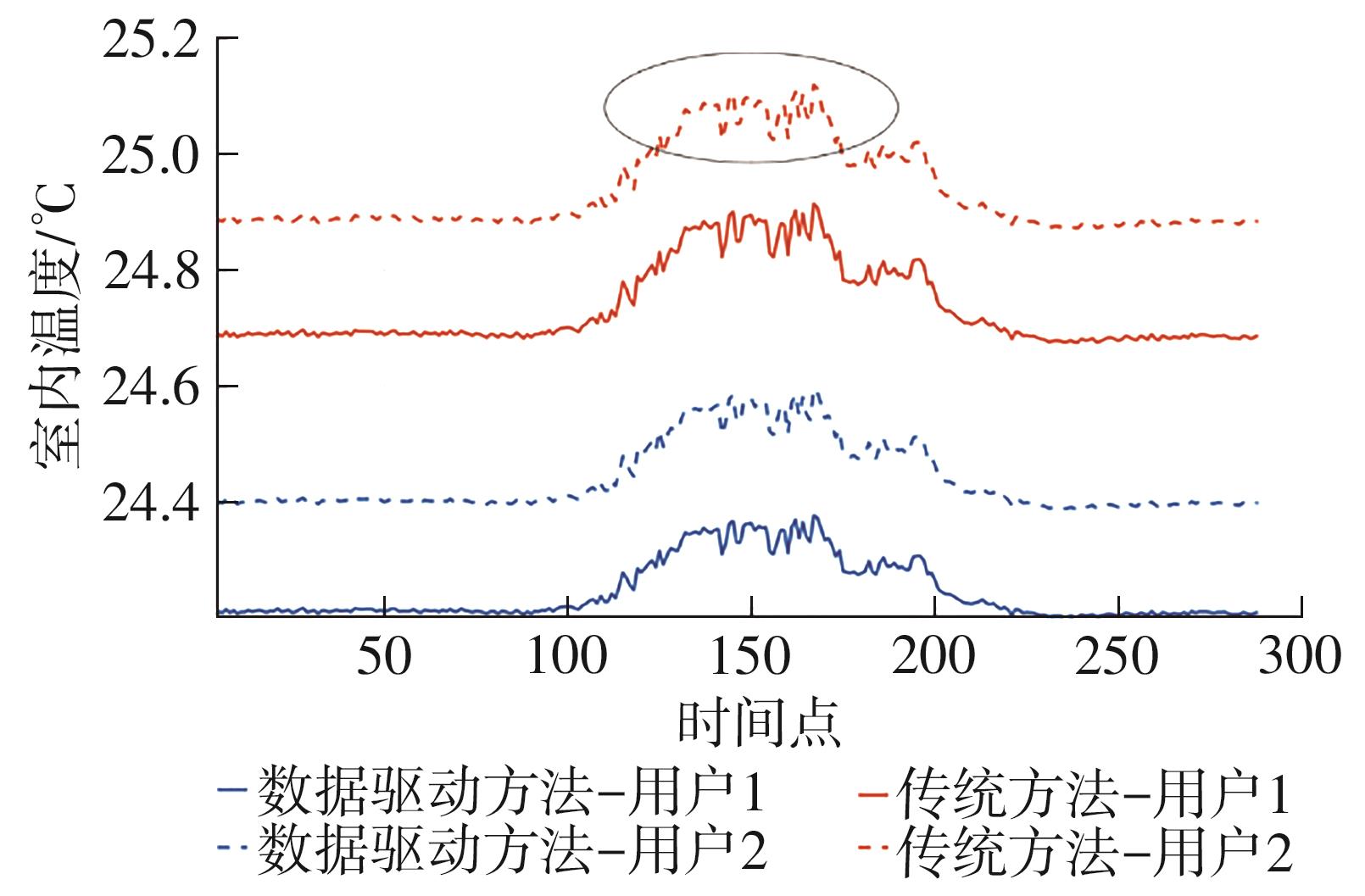
Fig.15
Comparisons of temperature control with different methods"
| [1] | 周雪松,张心茹,赵浛宇,等 .基于DDPG算法的微网负载端接口变换器自抗扰控制[J].电力系统保护与控制,2023,51(21):66-75. |
| ZHOU Xuesong, ZHANG Xinru, ZHAO Hanyu,et al .Active disturbance rejection control of a microgrid load-side interface converter based on a DDPG algorithm[J].Power System Protection and Control,2023,51(21):66-75. | |
| [2] | 尚文强,李广磊,丁月明,等 .考虑源荷不确定性和新能源消纳的综合能源系统协同调度方法[J/OL].电网技术,2024,48(2):517-526. |
| SHANG Wenqiang, LI Guanglei, DING Yueming,et al .Collaborative scheduling for integrated energy system considering uncertainty of source load and absorption of new energy[J].Power System Technology,2024,48(2):517-526. | |
| [3] | 田立亭,程林,郭剑波,等 .虚拟电厂对分布式能源的管理和互动机制研究综述[J].电网技术,2020,44(6):2097-2108. |
| TIAN Liting, CHENG Lin, GUO Jianbo,et al .A review on the study of management and interaction mechanism for distributed energy in virtual power plants[J].Power System Technology,2020,44(6):2097-2108. | |
| [4] | 林国营,王鹏,周来,等 .面向新能源并网的低压用户链路识别算法[J].电力系统自动化,2023,47(2):125-136. |
| LIN Guoying, WANG Peng, ZHOU Lai,et al .Link identification method of low-voltage user for renewable energy integration[J].Automation of Electric Power Systems,2023,47(2):125-136. | |
| [5] | 王舒萍,张沈习,程浩忠,等 .计及用户热舒适度的综合能源系统可靠性指标及评估方法[J].电力系统自动化,2023,47(1):86-95. |
| WANG Shuping, ZHANG Shenxi, CHENG Haozhong,et al .Reliability indices and evaluation method of integrated energy system considering thermal comfort level of customers[J].Automation of Electric Power Systems,2023,47(1):86-95. | |
| [6] | GU W, WANG Z H, WU Z,et al .An online optimal dispatch schedule for CCHP microgrids based on model predictive control[J].IEEE Transactions on Smart Grid,2017,8(5):2332-2342 |
| [7] | ZHANG S H, GU W, YAO S,et al .Partitional decoup-ling method for fast calculation of energy flow in a large-scale heat and electricity integrated energy system[J].IEEE Transactions on Sustainable Energy,2021,12(1):501-513. |
| [8] | 王成山,董博,于浩,等 .智慧城市综合能源系统数字孪生技术及应用[J].中国电机工程学报,2021,41(5):1597-1608. |
| WANG Chengshan, DONG Bo, YU Hao,et al .Digital twin and its application in integrated energy system of smart cities[J].Proceedings of the CSEE,2021,41(5):1597-1608. | |
| [9] | 龚诚嘉锐,林顺富,边晓燕,等 .基于多主体主从博弈的负荷聚合商经济优化模型[J].电力系统保护与控制,2022,50(2):30-40. |
| GONG Chengjiarui, LIN Shunfu, BIAN Xiaoyan,et al .Economic optimization model of a load aggregator based on the multi-agent Stackelberg game[J].Power System Protection and Control,2022,50(2):30-40. | |
| [10] | 范德金,张姝,王杨,等 .考虑用户调节行为多样性的空调负荷聚合商日前调度策略[J].电力系统保护与控制,2022,50(17):133-142. |
| FAN Dejin, ZHANG Shu, WANG Yang, et al .Day ahead scheduling strategy for air conditioning load aggregators considering user regulation behavior diversity[J].Power System Protection and Control,2022,50(17):133-142. | |
| [11] | 张华一,文福拴,张璨,等 .计及舒适度的家庭能源中心运行优化模型[J].电力系统自动化,2016,40(20):32-39. |
| ZHANG Huayi, WEN Fushuan, ZHANG Can, et al .Operation optimization model of home energy hubs considering comfort level of customers[J].Automation of Electric Power Systems,2016,40(20):32-39. | |
| [12] | 张彦,张涛,刘亚杰,等 .基于模型预测控制的家庭能源局域网最优能量管理研究[J].中国电机工程学报,2015,35(14):3656-3666. |
| ZHANG Yan, ZHANG Tao, LIU Yajie,et al .Optimal energy management of a residential local energy network based on model predictive control[J].Proceedings of the CSEE 2015,35(14):3656-3666. | |
| [13] | 祁兵,夏琰,李彬,等 .基于边缘计算的家庭能源管理系统:架构、关键技术及实现方式[J].电力建设,2018,39(3):33-41. |
| QI Bing, XIA Yan, LI Bin,et al .Family energy management system based on edge computing:architecture,key technology and implementation[J].Electric Power Construction,2018,39(3):33-41. | |
| [14] | I-Y JOO, CHOI D-H .Distributed optimization framework for energy management of multiple smart homes with distributed energy resources[J].IEEE Access,2017,5:15551-15560. |
| [15] | ZIPPERER A, ALOISE-YOUNG P A, SURYANARAYANAN S,et al .Electric energy management in the smart home:perspectives on enabling technologies and consumer behavior[J].Proceedings of the IEEE,2013,101(11):2397-2408. |
| [16] | 杨校辉,邱俊宏,张娟,等 .一种基于综合能源优化调配的充电站运营管理系统研究[J].电力系统保护与控制,2021,49(5):173-179. |
| YANG Xiaohui, QIU Junhong, ZHANG Juan,et al .Research on a charging station operation management system based on integrated energy optimization[J].Power System Protection and Control,2021,49(5):173-179. | |
| [17] | HANSEN T M, CHONG E K P, SURYANARAYANAN S,et al .A partially observable Markov decision process approach to residential home energy management[J].IEEE Transactions on Smart Grid,2018,9(2):1271-1281. |
| [18] | MONDAL A, MISRA S, OBAIDAT M S .Distributed home energy management system with storage in smart grid using game theory[J].IEEE Systems Journal,2017,11(3):1857-1866. |
| [19] | 贺文,陈珍萍,胡伏原,等 .基于一致性的综合能源系统低碳经济调度[J].电力系统保护与控制,2023,51(19):42-53. |
| HE Wen, CHEN Zhenping, HU Fuyuan,et al .Consensus-based low-carbon economic dispatching of integrated energy systems[J].Power System Protection and Control,2023,51(19):42-53. | |
| [20] | 张哲,秦博宇,高鑫,等 .基于CNN-LSTM网络的电网电压稳定紧急控制策略[J].电力系统自动化,2023,47(11):60-68. |
| ZHANG Zhe, QIN Boyu, GAO Xin,et al .Emergency control strategy of power grid voltage stability based on convolutional neural network and long short-term memory network[J].Automation of Electric Power Systems,2023,47(11):60-68. | |
| [21] | LUO F, ZHAO J, DONG Z Y .A new metaheuristic algorithm for real-parameter optimization:natural aggregation algorithm[C]∥ Proceedings of 2016 IEEE Congress on Evolutionary Computation (CEC).Vancouver:IEEE,2016:94-103. |
| [22] | LUO F, DONG Z Y, CHEN Y,et al .Natural aggregation algorithm:a new efficient metaheuristic tool for power system optimizations[C]∥ Proceedings of 2016 IEEE International Conference on Smart Grid Communications (Smart Grid Comm).Sydney:IEEE,2016:186-192. |
| [23] | 胡宇曦 .考虑净负荷可接纳域的主动配电网优化调度研究[D].济南:山东大学,2024. |
| [24] | 叶希,王彦沣,黄杨,等 .计及随机变量相关性的多点线性化概率潮流计算[J].电力系统及其自动化学报,2024,36(1):37-45. |
| YE Xi, WANG Yanfeng, HUANG Yang,et al .Multi-spot linearized probabilistic power flow calculation conside-ring correlation between random variables[J].Proceedings of the CSU-EPSA,2024,36(1):37- 45. |
| [1] | ZHAO Jiandong, JIAO Lanxin, ZHAO Zhimin, et al. A Car-Following Model Driven by Combination of Theory and Data Considering Effects of Lane Change of Side Cars [J]. Journal of South China University of Technology(Natural Science Edition), 2023, 51(6): 10-19. |
| [2] | HUANG Ling, HUANG Zixu, WU Zerong, et al. Comparison of Data-Driven Human-Like Driving Models Under Different Behavior Model Frameworks [J]. Journal of South China University of Technology(Natural Science Edition), 2022, 50(10): 1-10. |
| [3] | Ai Wei Zhu Xue-feng. One-Sided SPSA-Based Data-Driven Control Algorithm with Dynamic Deviations [J]. Journal of South China University of Technology(Natural Science Edition), 2012, 40(9): 81-86,92. |
| Viewed | ||||||
|
Full text |
|
|||||
|
Abstract |
|
|||||