Journal of South China University of Technology(Natural Science Edition) ›› 2025, Vol. 53 ›› Issue (10): 118-130.doi: 10.12141/j.issn.1000-565X.240505
• Mechanical Transmission System • Previous Articles Next Articles
Wear Model of RV Reducer Based on Mixed Lubrication Analysis
NI Wencheng1, LI Linling1, ZHAO Zhijun1, WU Qiong1, LI Junyang2,3, CHENG Gong4
- 1.Beijing Institute of Spacecraft System Engineering,Beijing 100094,China
2.College of Mechanical and Vehicle Engineering,Chongqing University,Chongqing 400044,China
3.State Key Laboratory of Mechanical Transmission for Advanced Equipment,Chongqing University,Chongqing 400044,China
4.School of Mechanical Engineering,Chongqing Industry Polytechnic University,Chongqing 401120,China
-
Received:2024-10-12Online:2025-10-25Published:2025-04-25 -
Contact:李俊阳(1982—),男,博士,副教授,主要从事精密减速器设计与可靠性评估研究。 E-mail:junyangli@cqu.edu.cn -
About author:倪文成(1988—),男,博士,主要从事航空航天关键传动零件的设计制造研究。E-mail:niwencheng1988@163.com -
Supported by:the National Natural Science Foundation of China-Joint Fund for Aerospace Advanced Manufacturing Technology Research(U2037602)

CLC Number:
Cite this article
NI Wencheng, LI Linling, ZHAO Zhijun, WU Qiong, LI Junyang, CHENG Gong. Wear Model of RV Reducer Based on Mixed Lubrication Analysis[J]. Journal of South China University of Technology(Natural Science Edition), 2025, 53(10): 118-130.
share this article
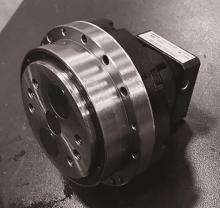
Fig.1
RV-6E type reducer"
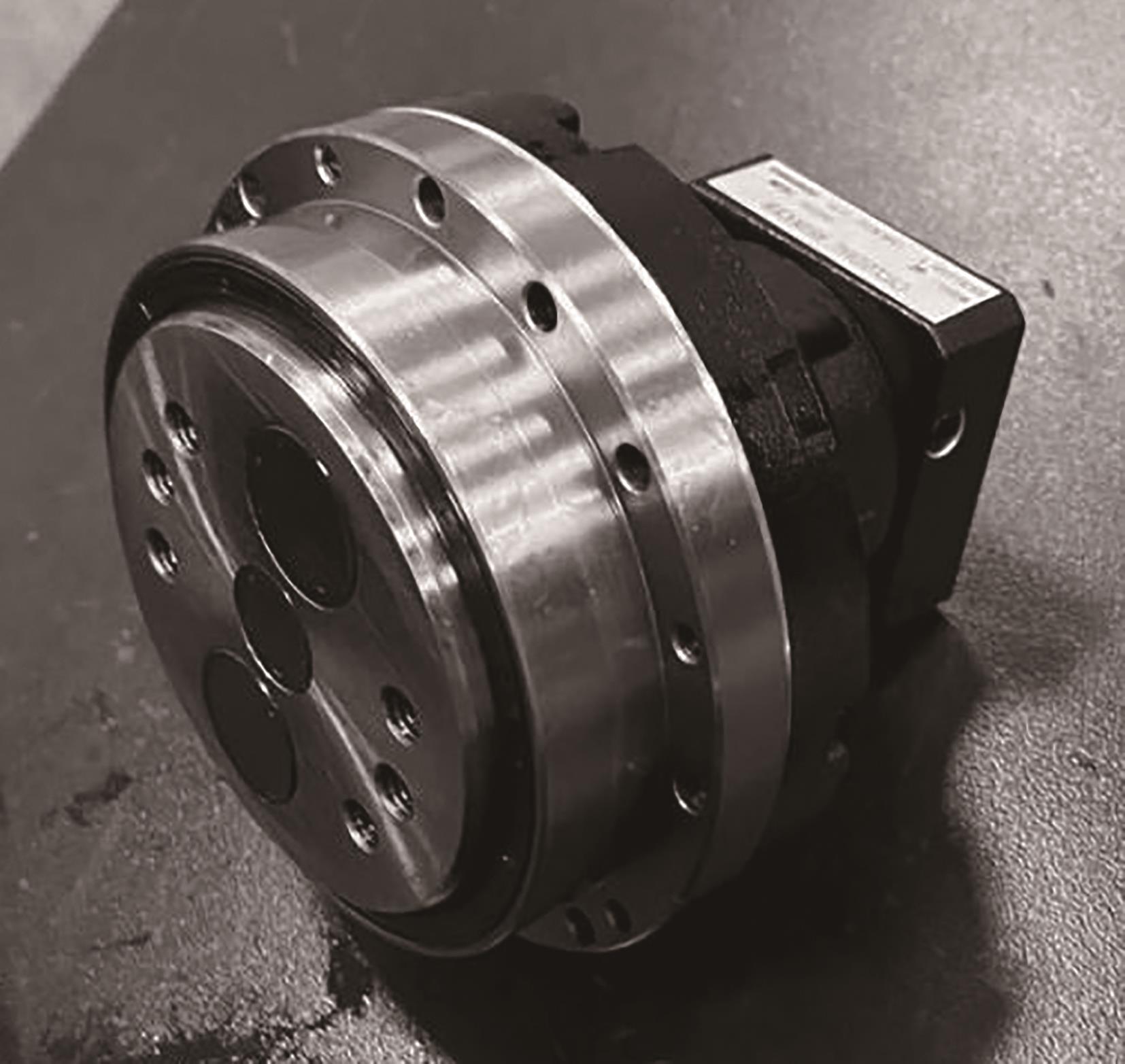
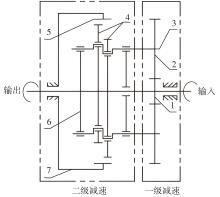
Fig.2
Structure diagram of RV reducer"
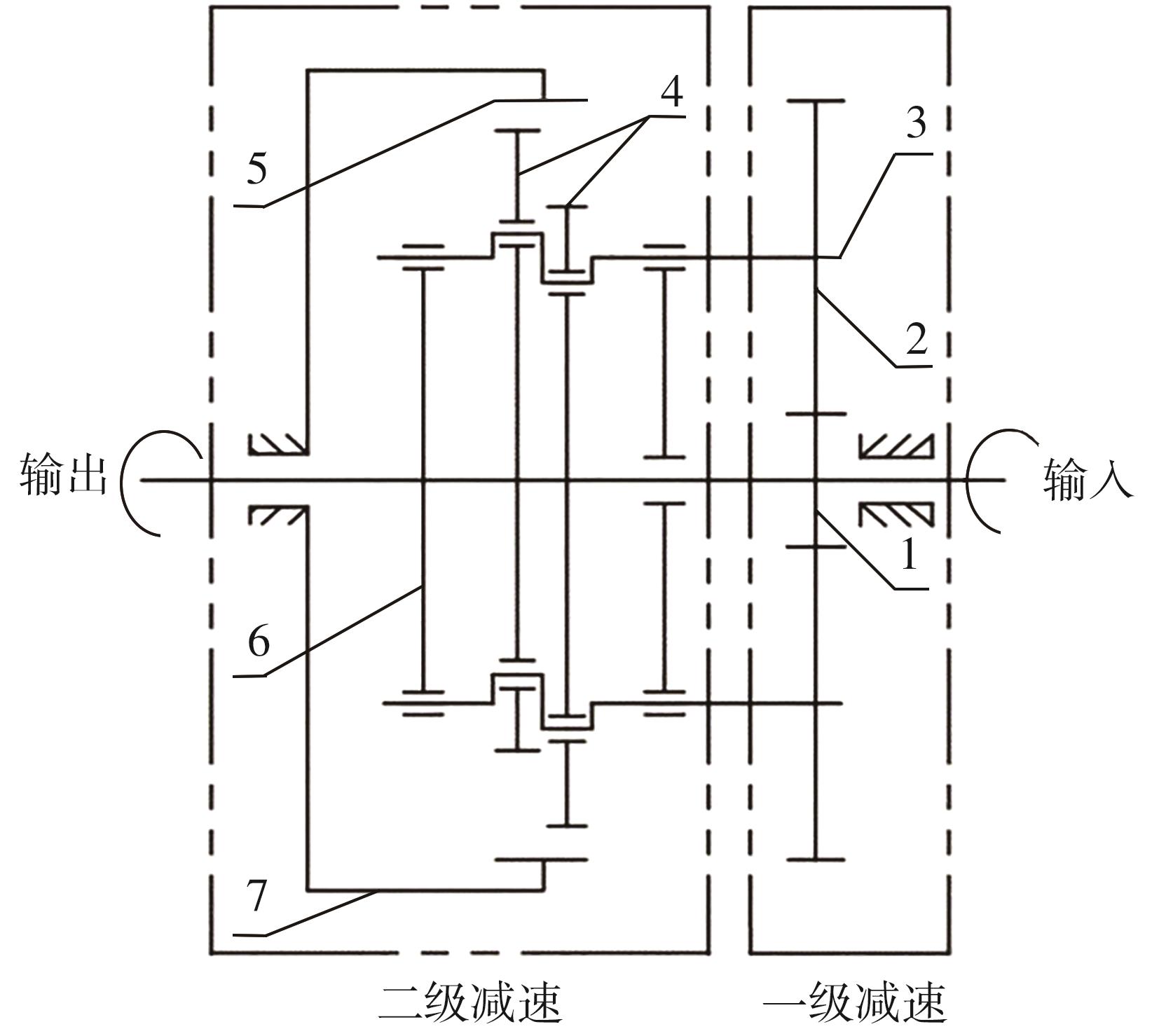
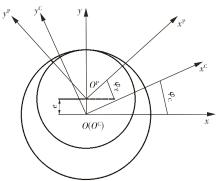
Fig.3
Coordinate system of cycloidal-pin wheel drive"
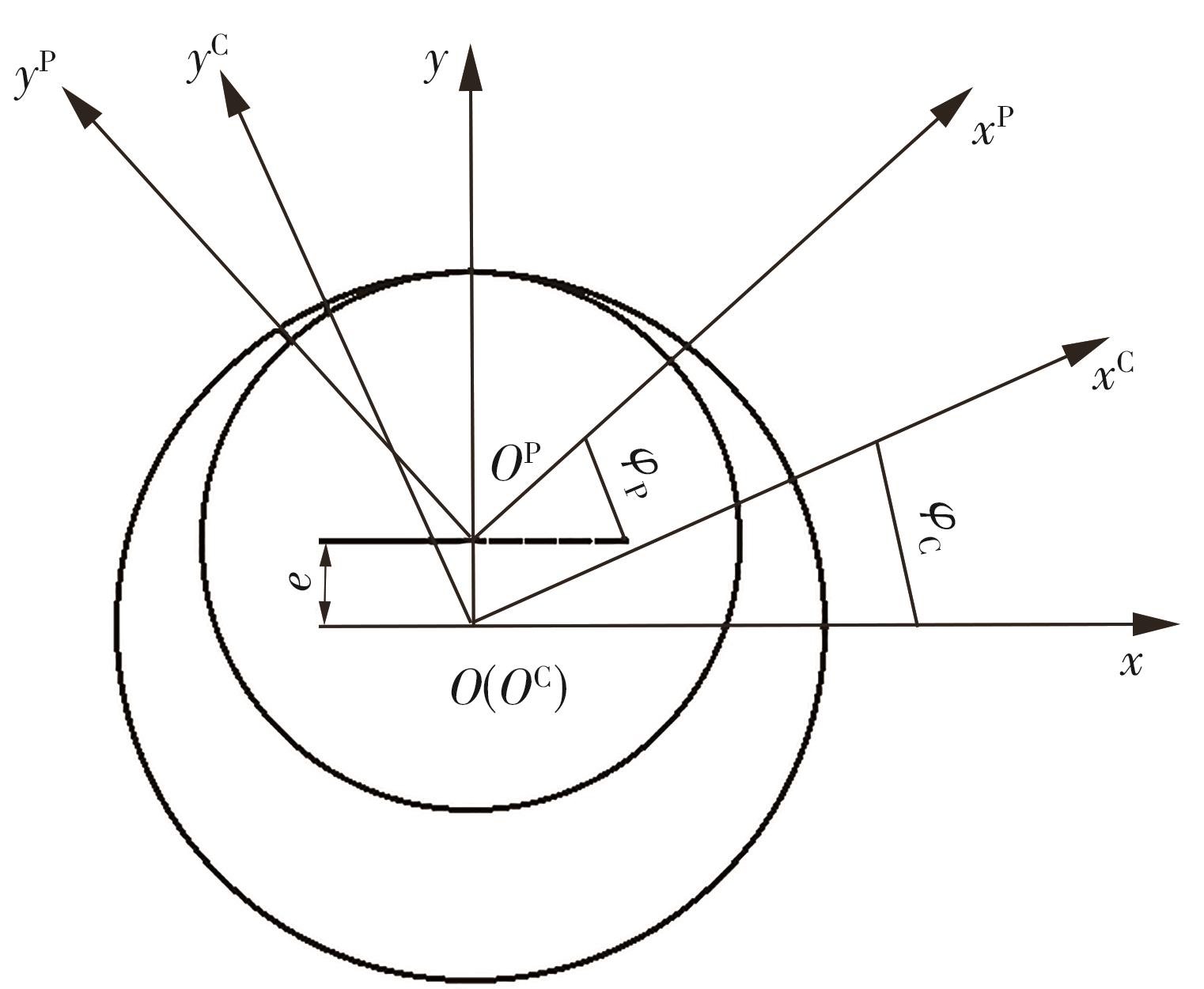
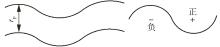
Fig.4
Cycloidal tooth profile and the plus or minus judgment of curvature"
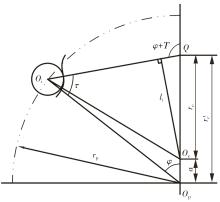
Fig.5
Contact geometry of cycloidal-pin wheel"
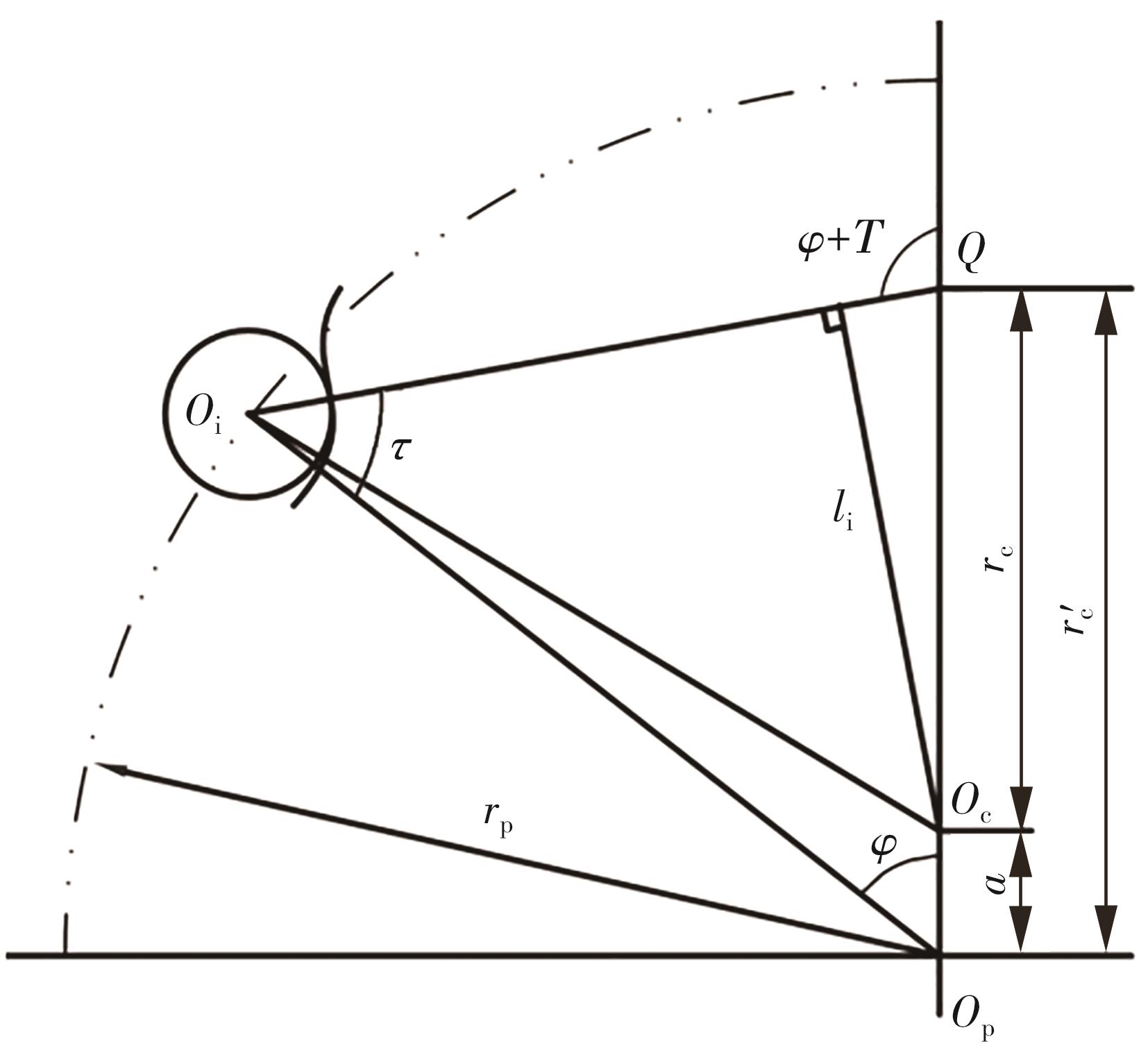
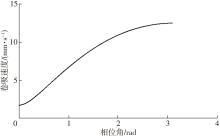
Fig.6
Entrainment velocity of cycloidal-pin wheel transmission pair"
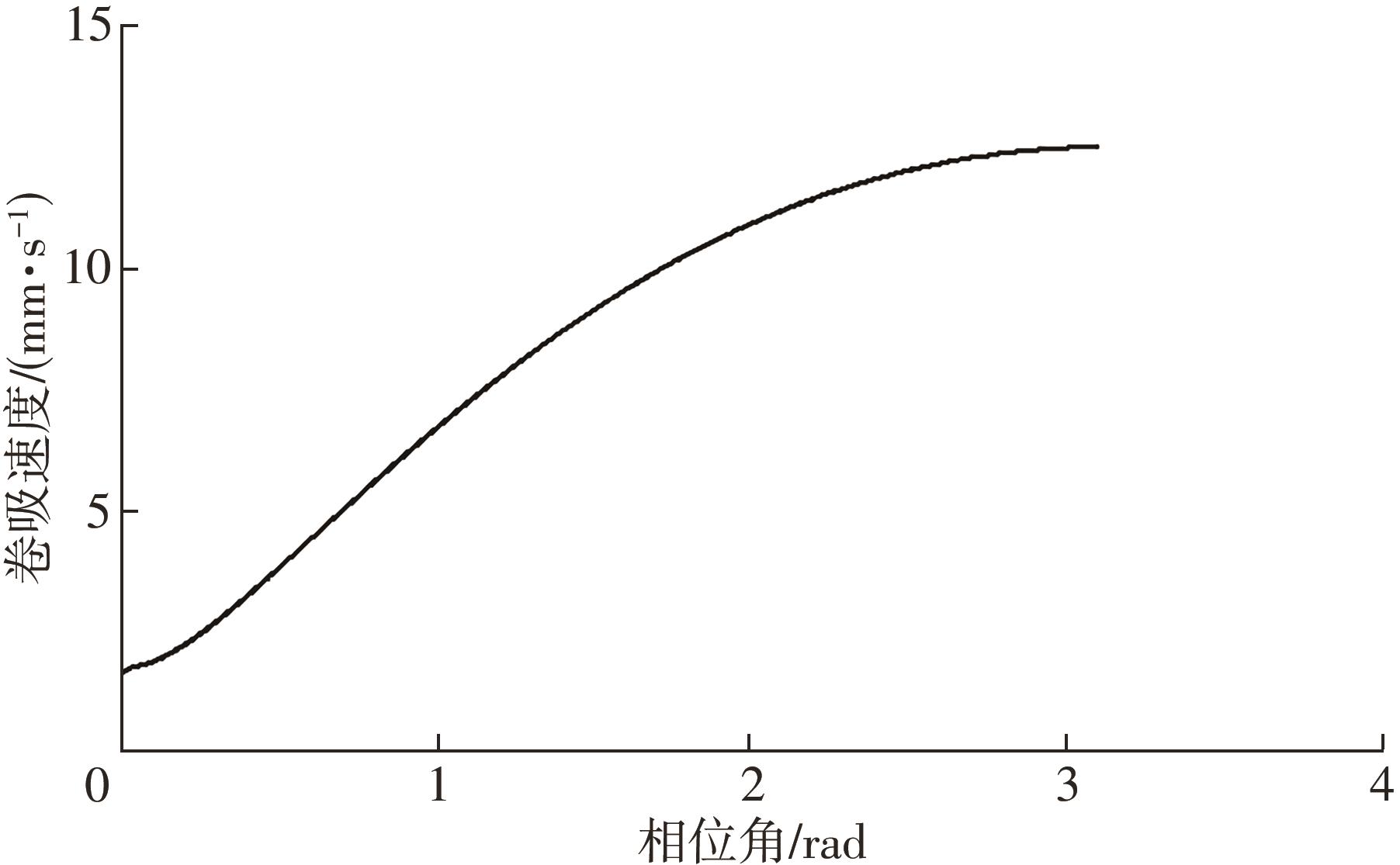
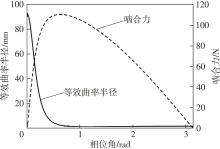
Fig.7
Contact curvature radius and meshing force of cycloidal-pin wheel transmission pair"
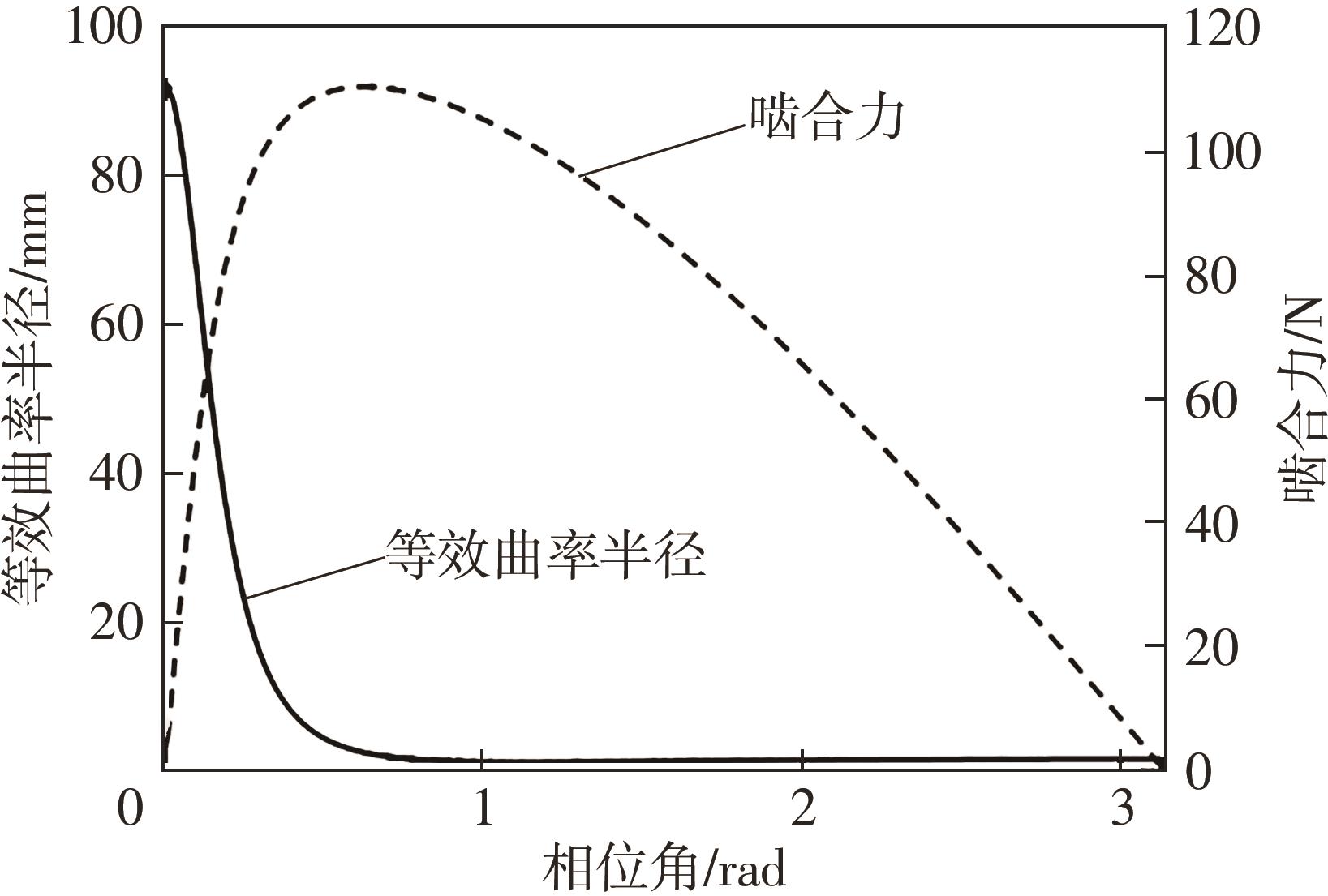
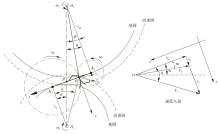
Fig.8
Geometry schematic diagram of gear meshing"
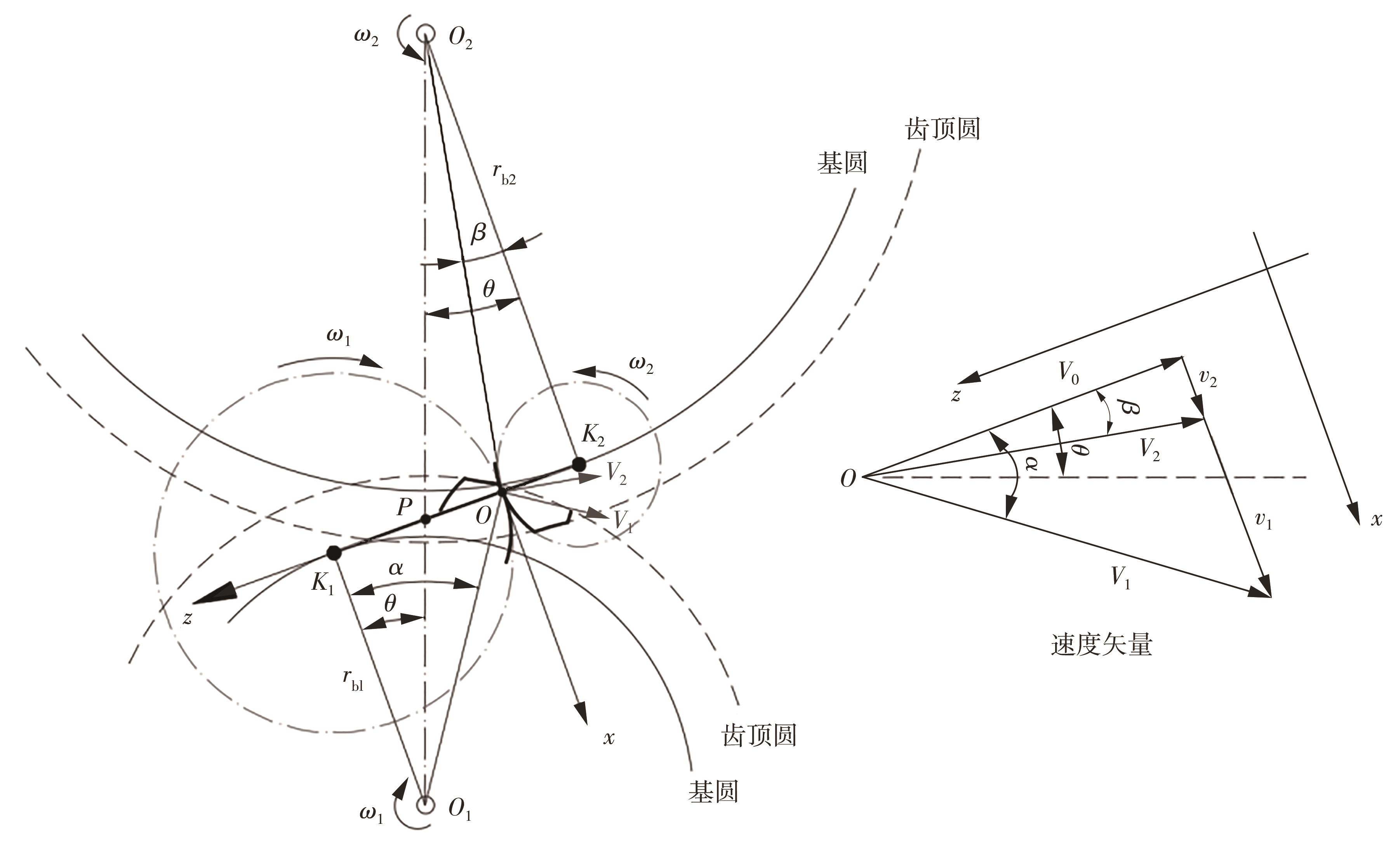
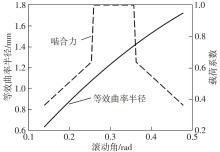
Fig.9
Contact curvature radius of planetary gear pair"
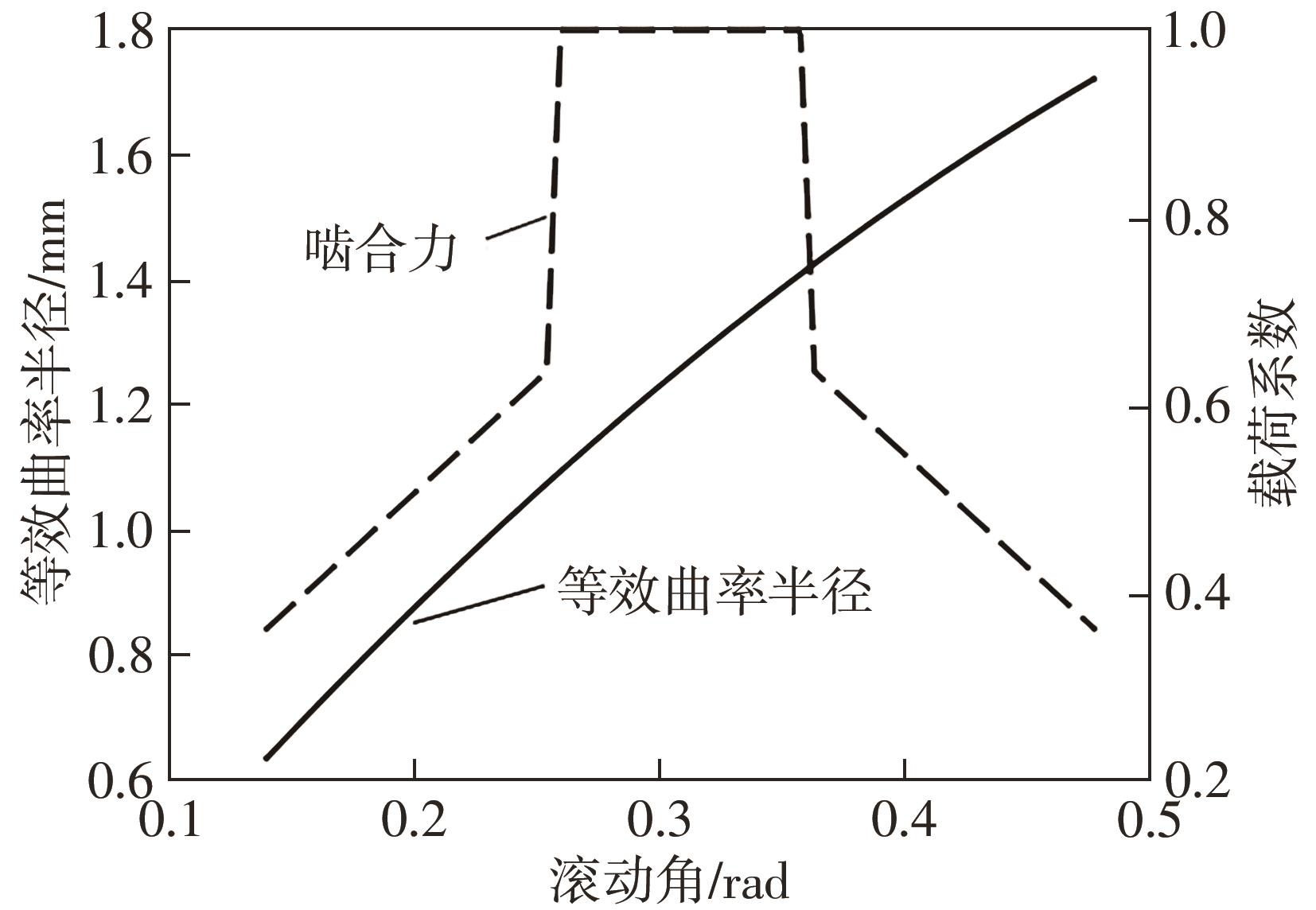
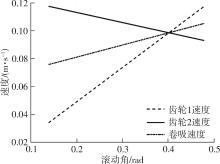
Fig.10
Speed of planetary gear transmission pair"
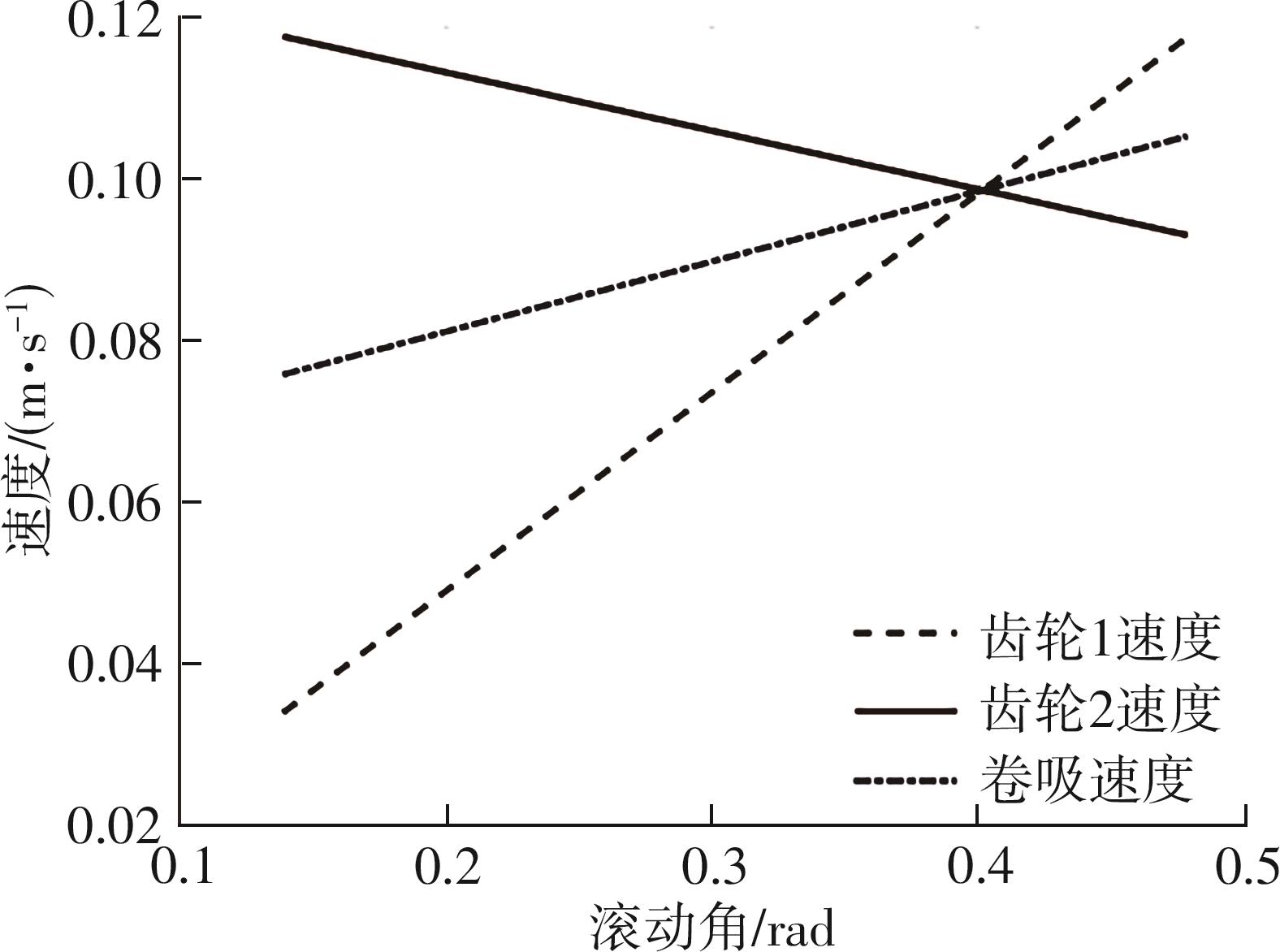

Table 1
Main lubrication calculation parameters of roll bearings under different working conditions"
| 轴承类别 | 部件 | 曲率半径/mm | 速度/(m·s-1) | 载荷/N |
|---|---|---|---|---|
| 滚针轴承 | 滚针 | 0.75 | 0.072 6 | 101.87 |
| 滚道 | 9.63 | 0.140 5 | 101.87 | |
圆锥滚子 轴承 | 滚子 | 1.00 | 0.086 1 | 110.54 |
| 滚道 | 10.00 | 0.145 9 | 110.54 | |
角接触 轴承 | 滚子 | Rx :2.605 2 | 0.023 8 | 12.53 |
| Ry :2.940 7 |
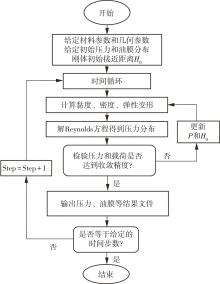
Fig.11
Solving process for rough interface mixed lubrication"
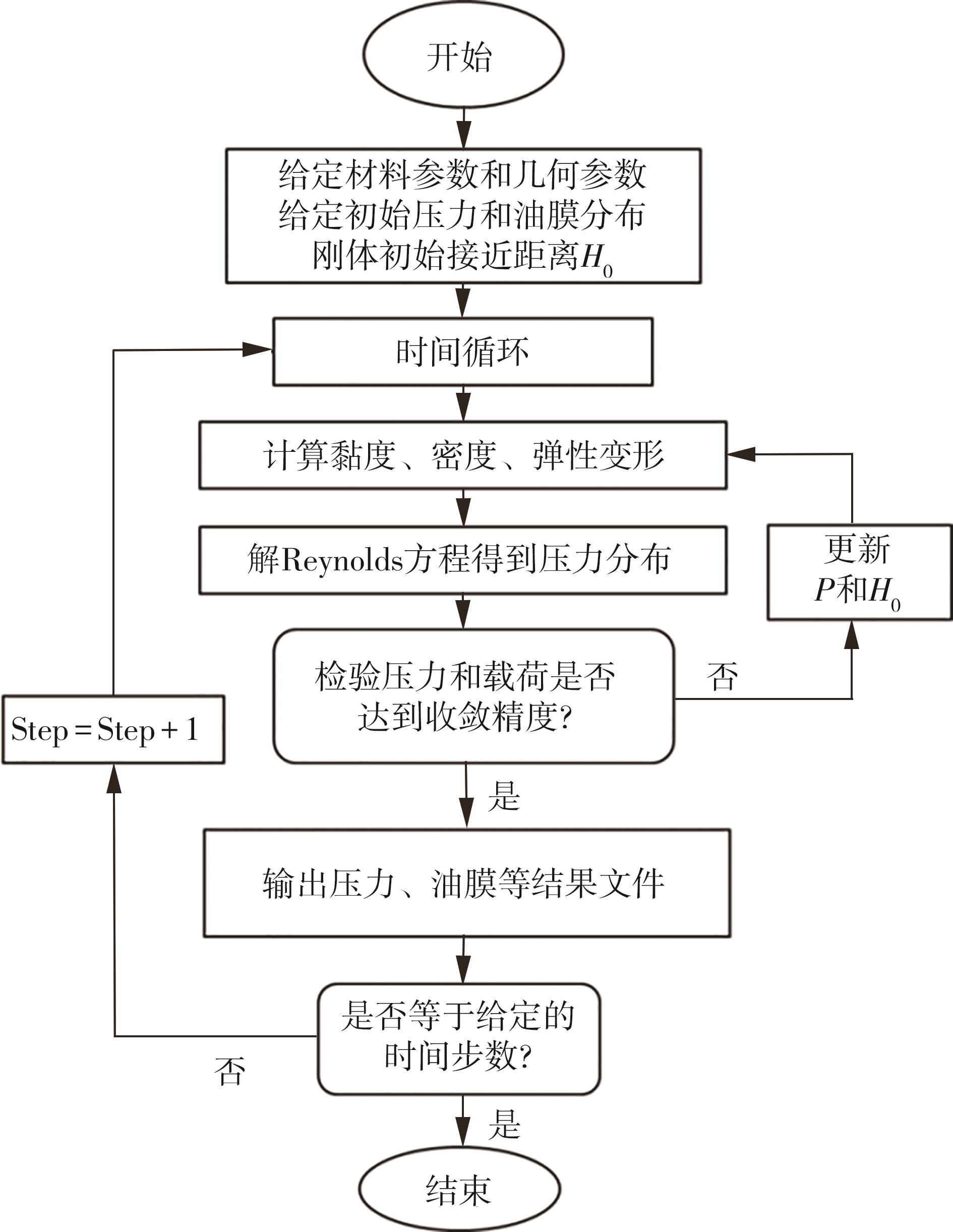
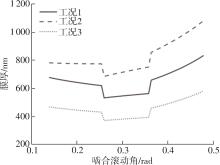
Fig.12
Variation of film thickness during planetary gear meshing under different conditions"
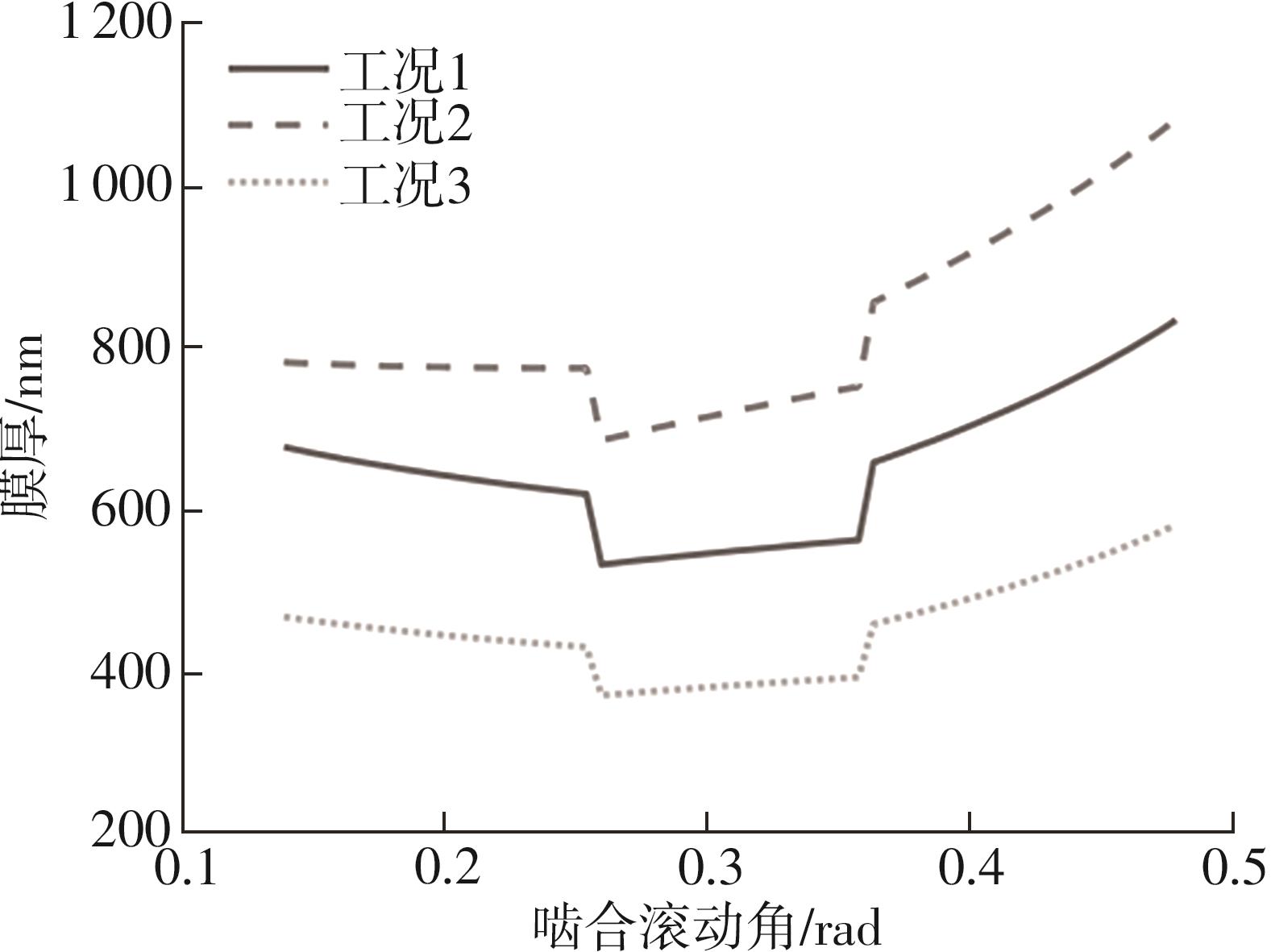
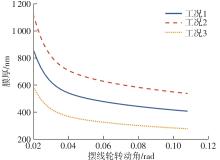
Fig.13
Variation of film thickness during cycloidal-pin wheel meshing under different conditions"
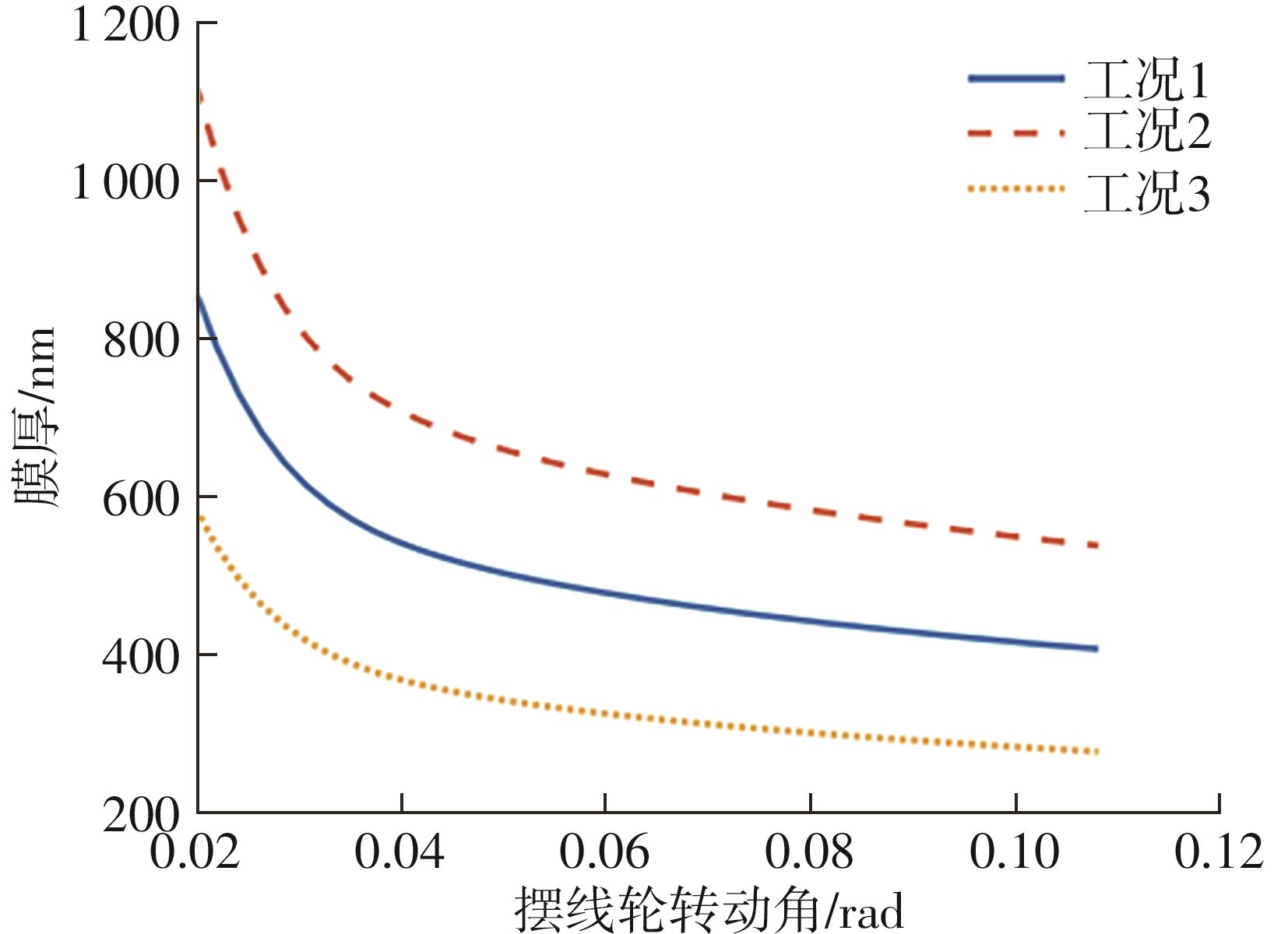
Table 2
Average film thickness of roll bearings under different operating conditions"
| 轴承 | 膜厚/nm | ||
|---|---|---|---|
| 工况1 | 工况2 | 工况3 | |
| 滚针轴承 | 289.87 | 310.07 | 181.22 |
| 圆锥滚子轴承 | 410.66 | 628.79 | 233.64 |
| 角接触轴承 | 487.72 | 527.86 | 252.50 |
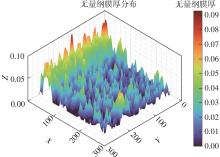
Fig.14
Film thickness distribution of planetary gear meshing pair"
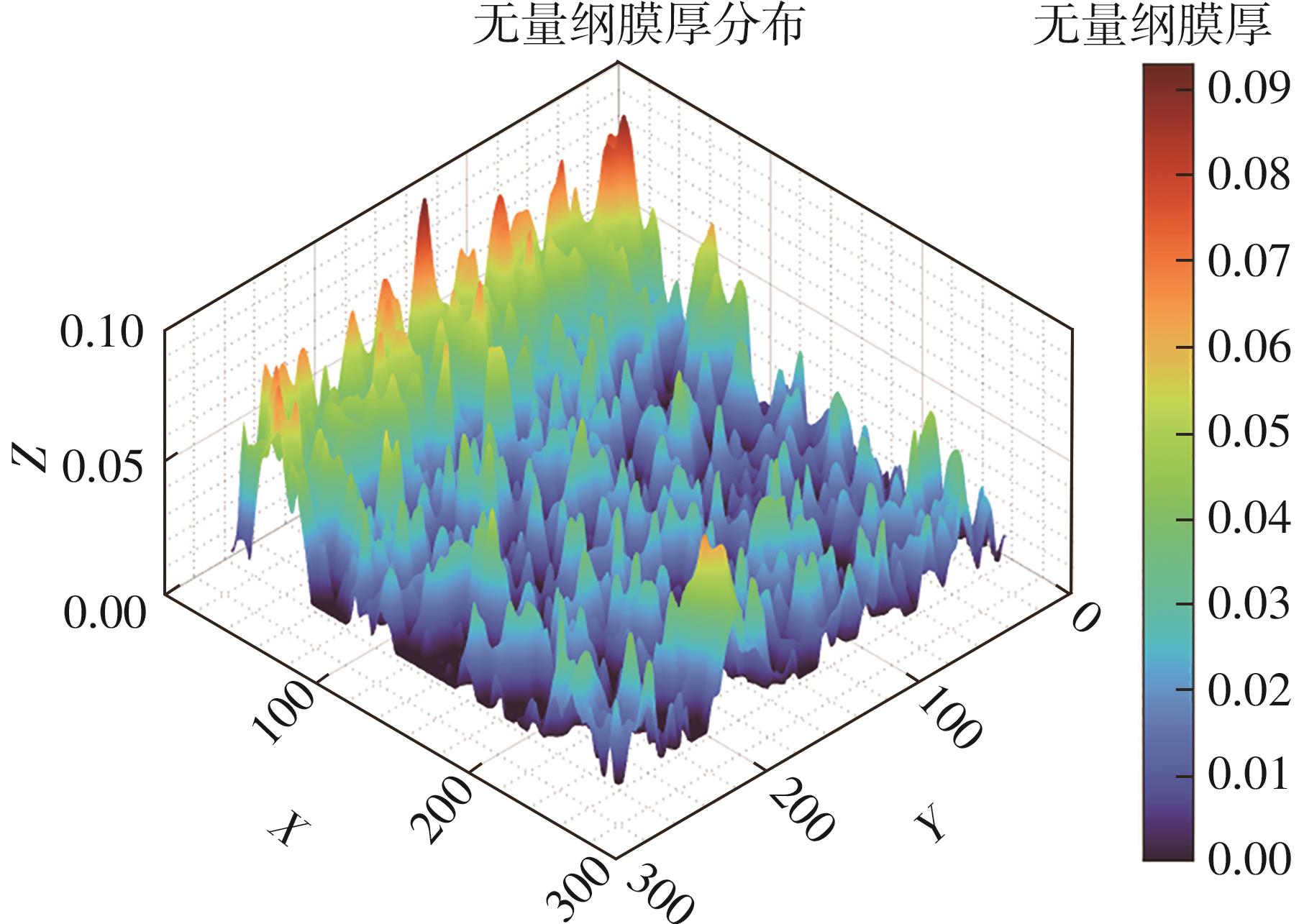
Fig.15
Film thickness distribution of cycloidal-pin wheel meshing pair"
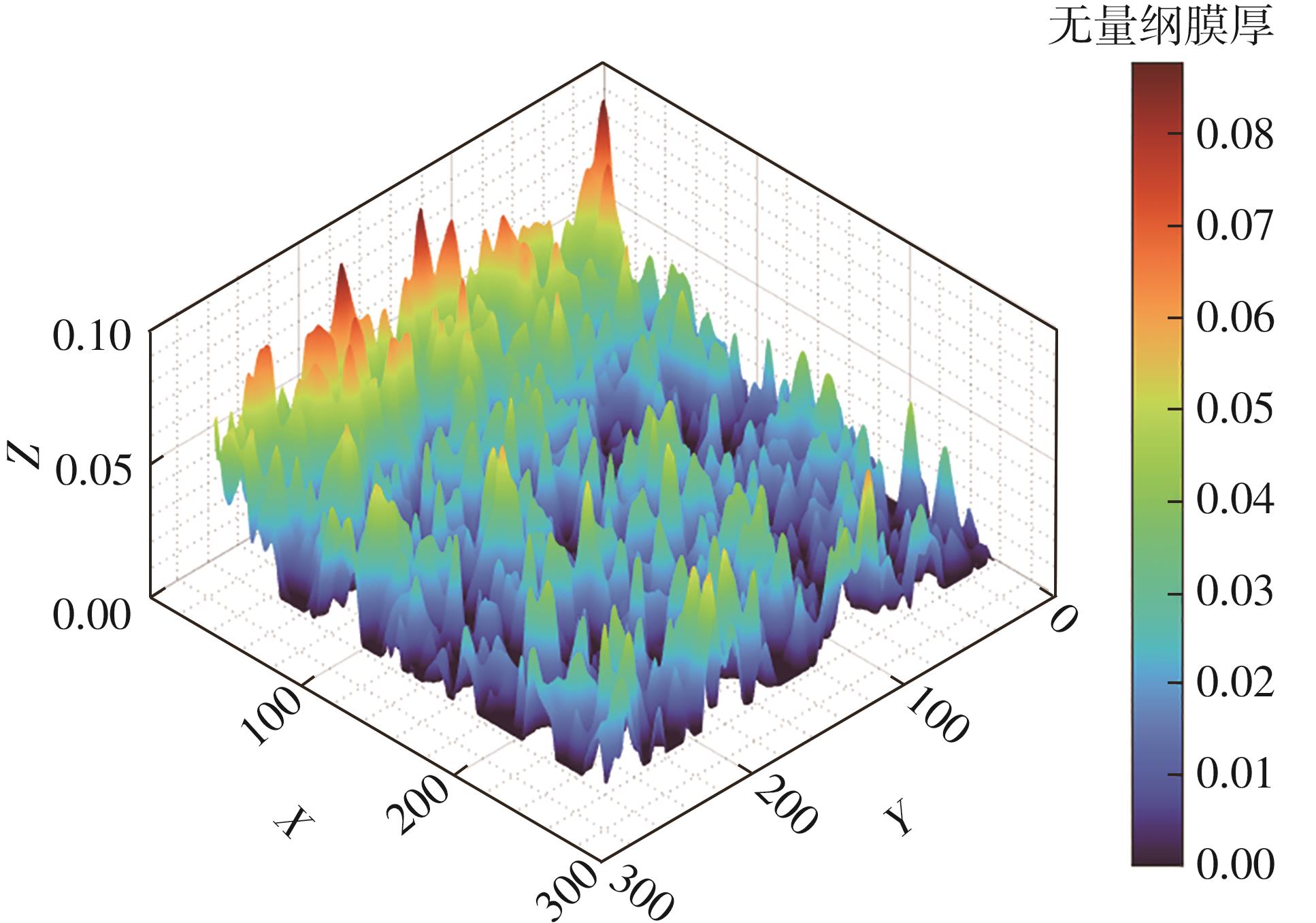
Fig.16
Film thickness of needle bearing"
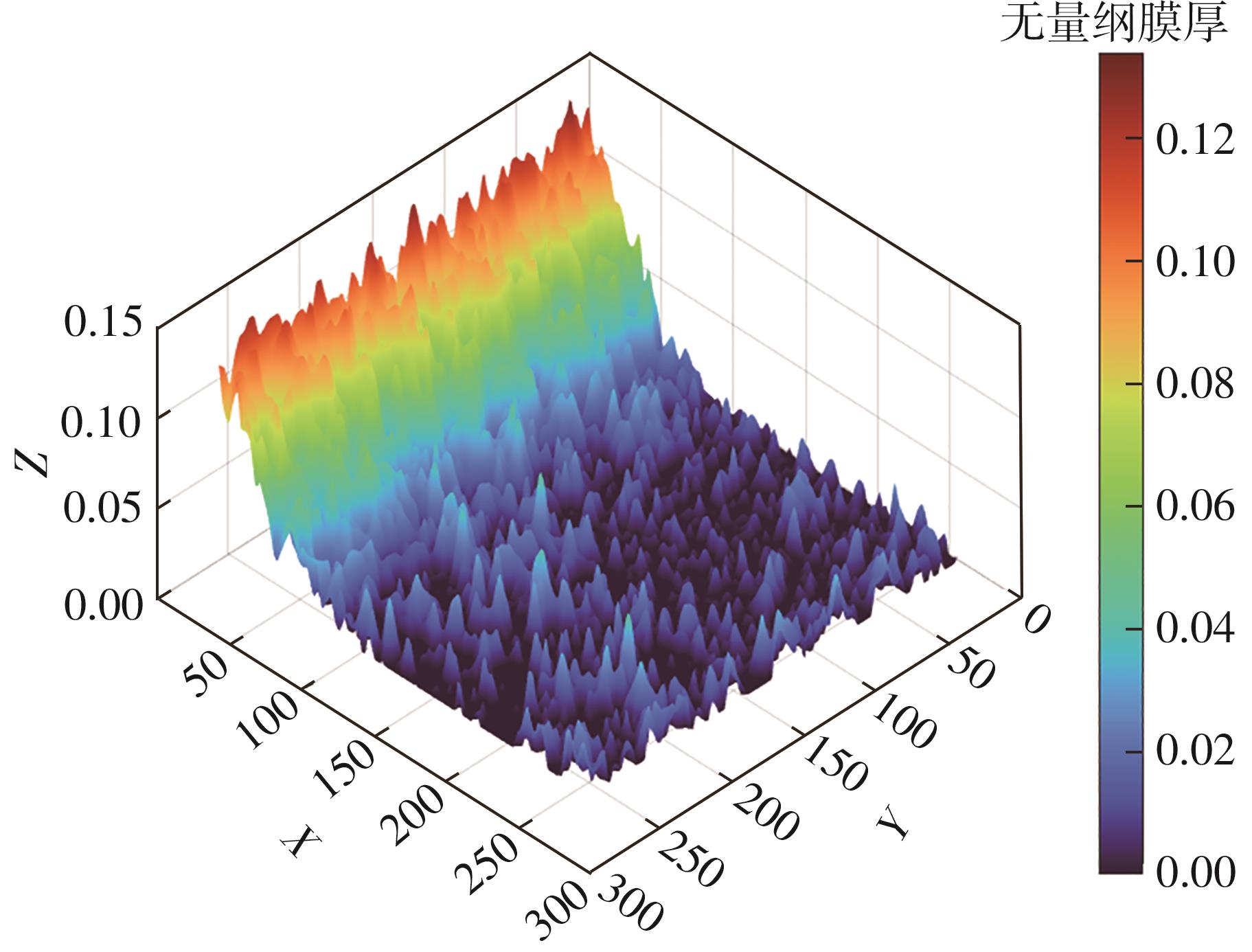
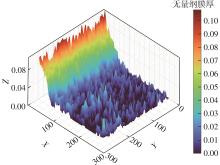
Fig.17
Film thickness of tapered roller bearing"
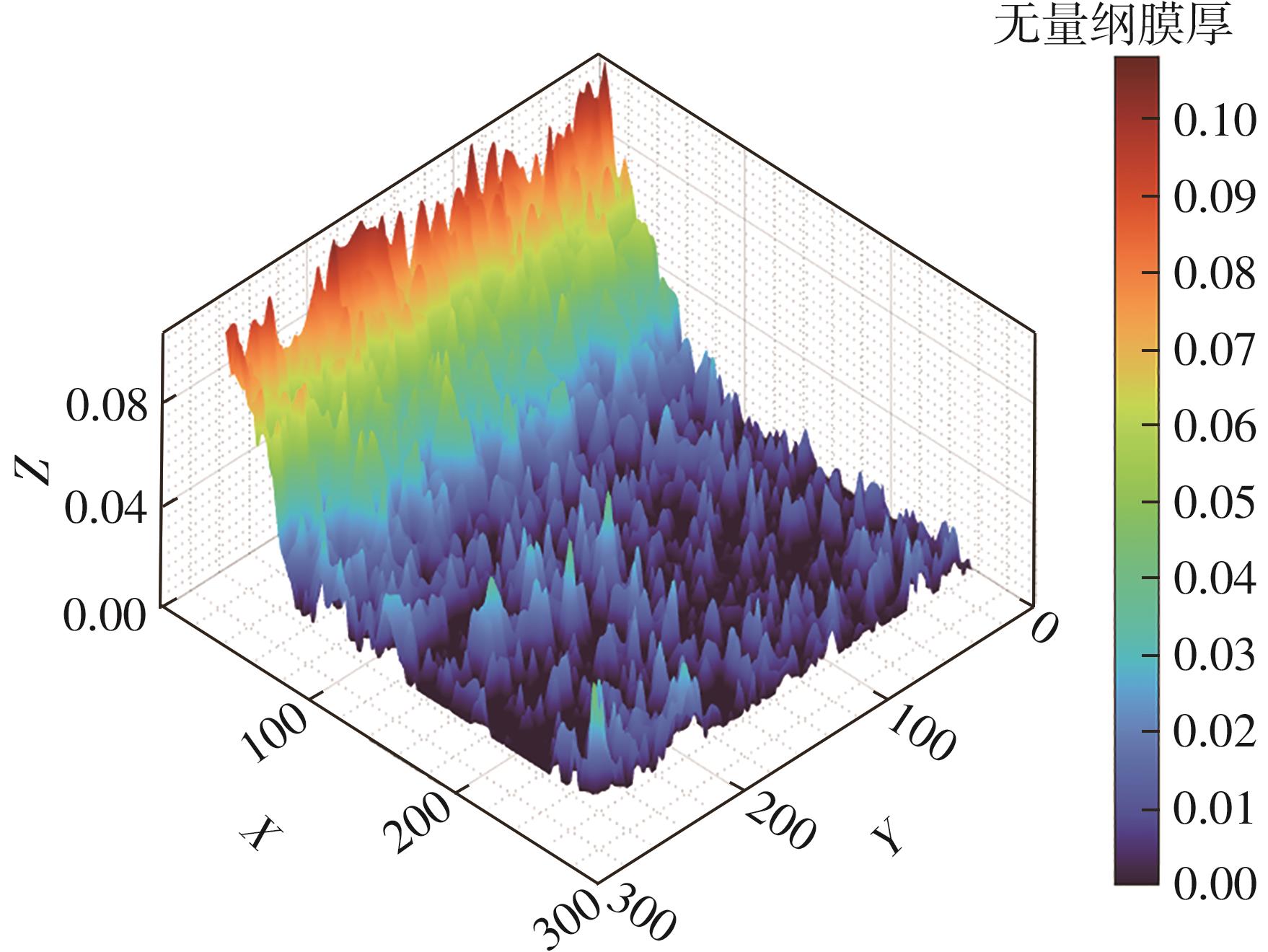
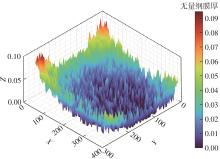
Fig.18
Film thickness of angular contact bearing"
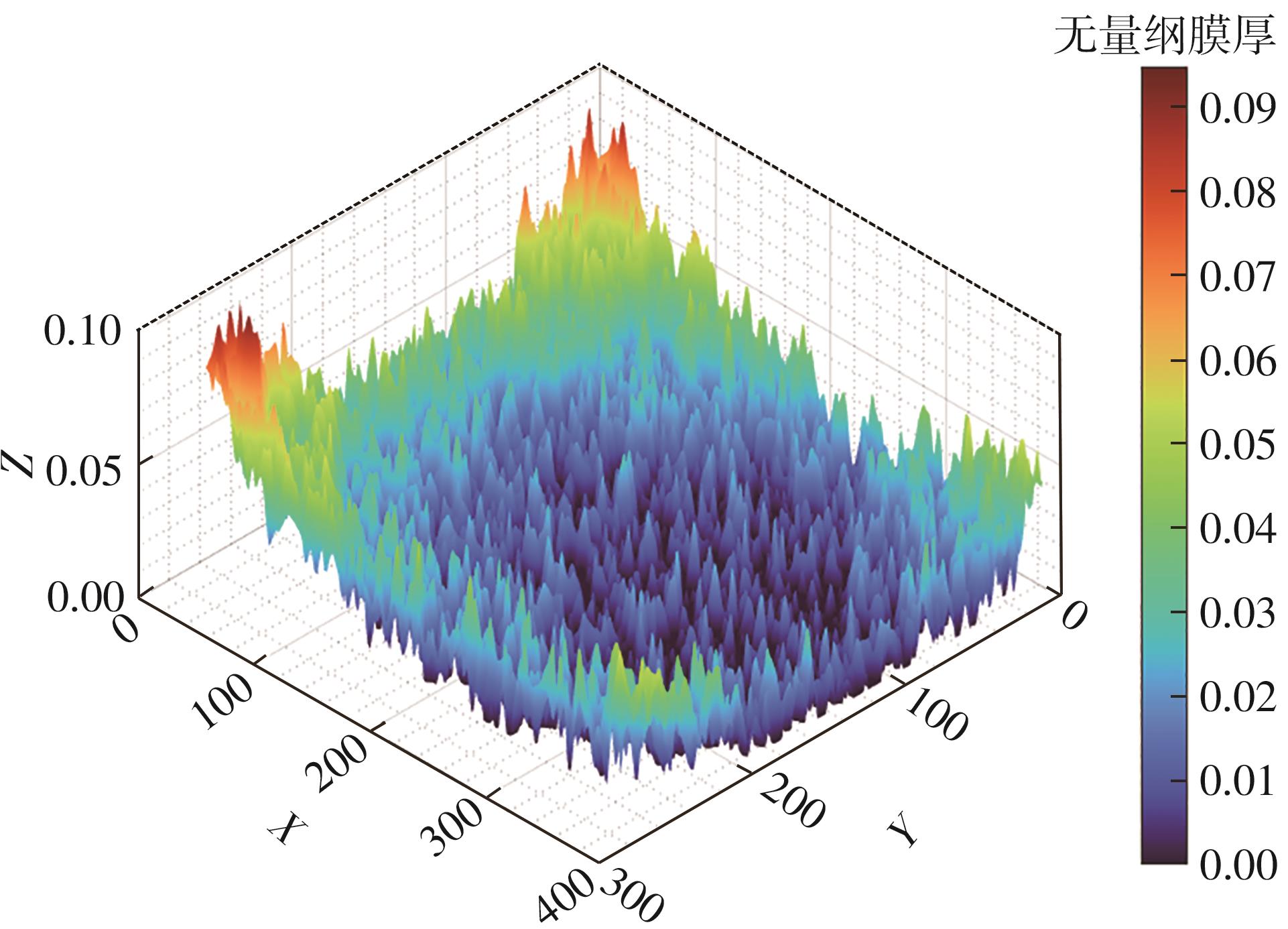

Fig.19
Multifunctional tribometer"
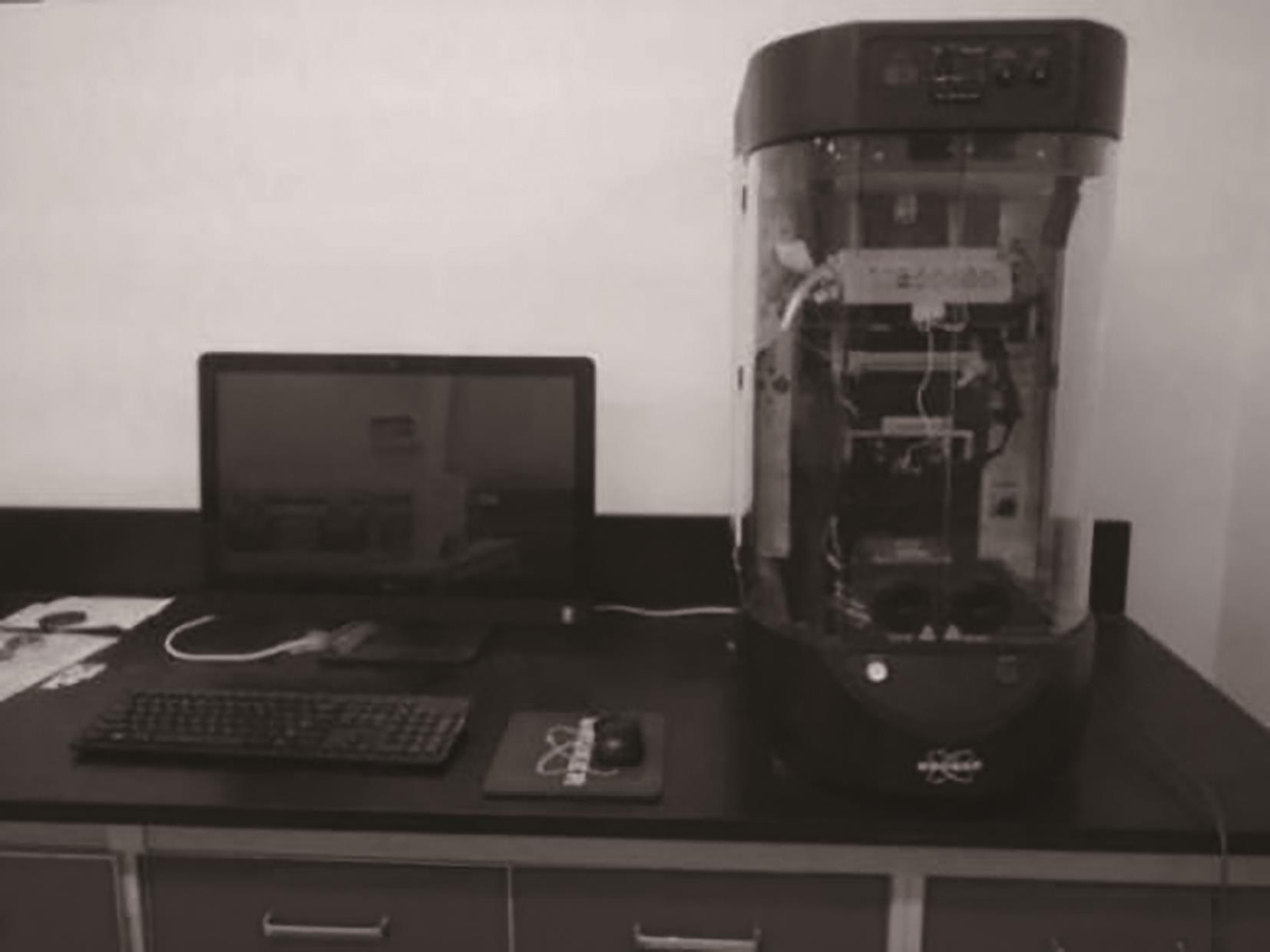

Fig.20
Optical profilometer"
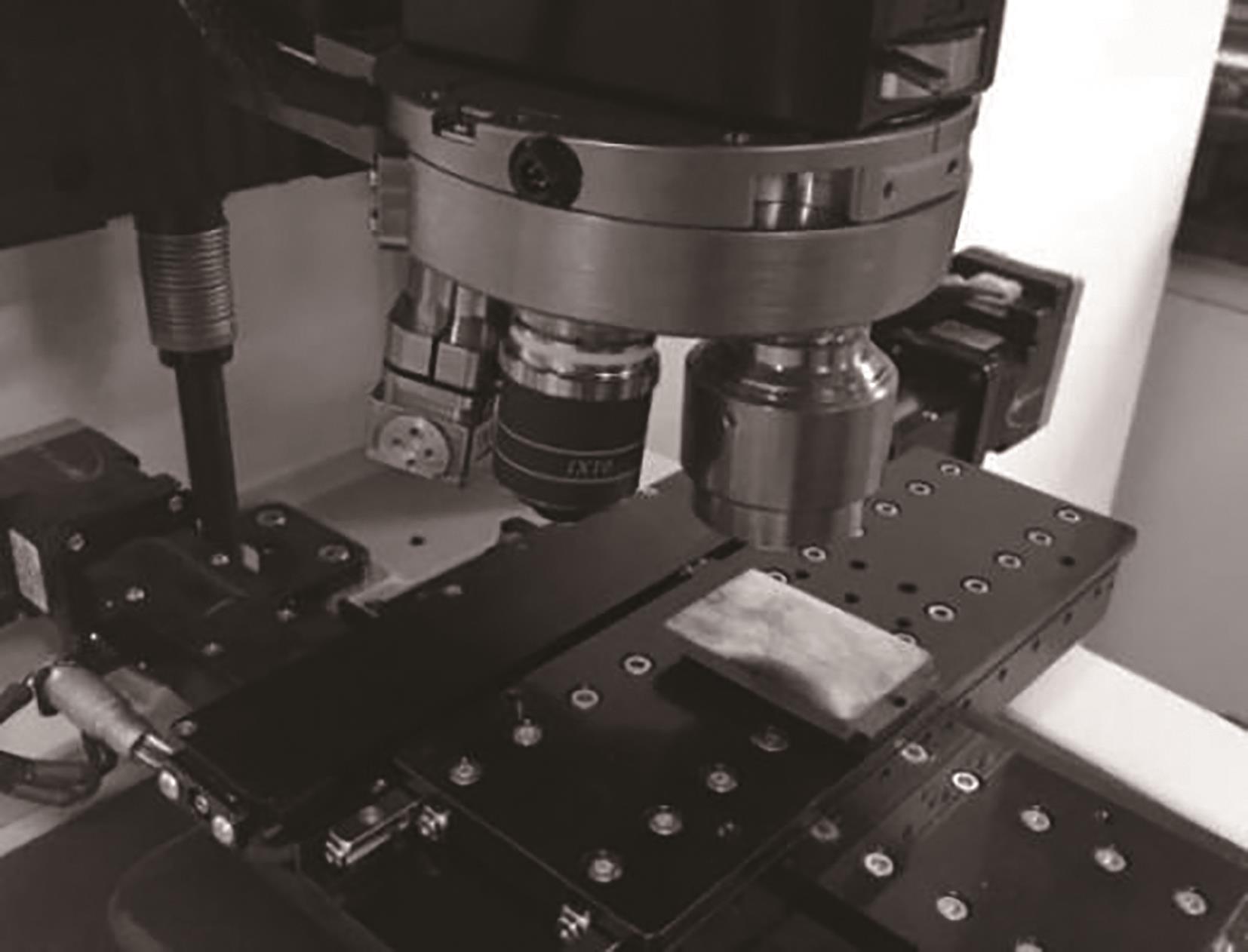
Fig.21
Experimental test specimen"
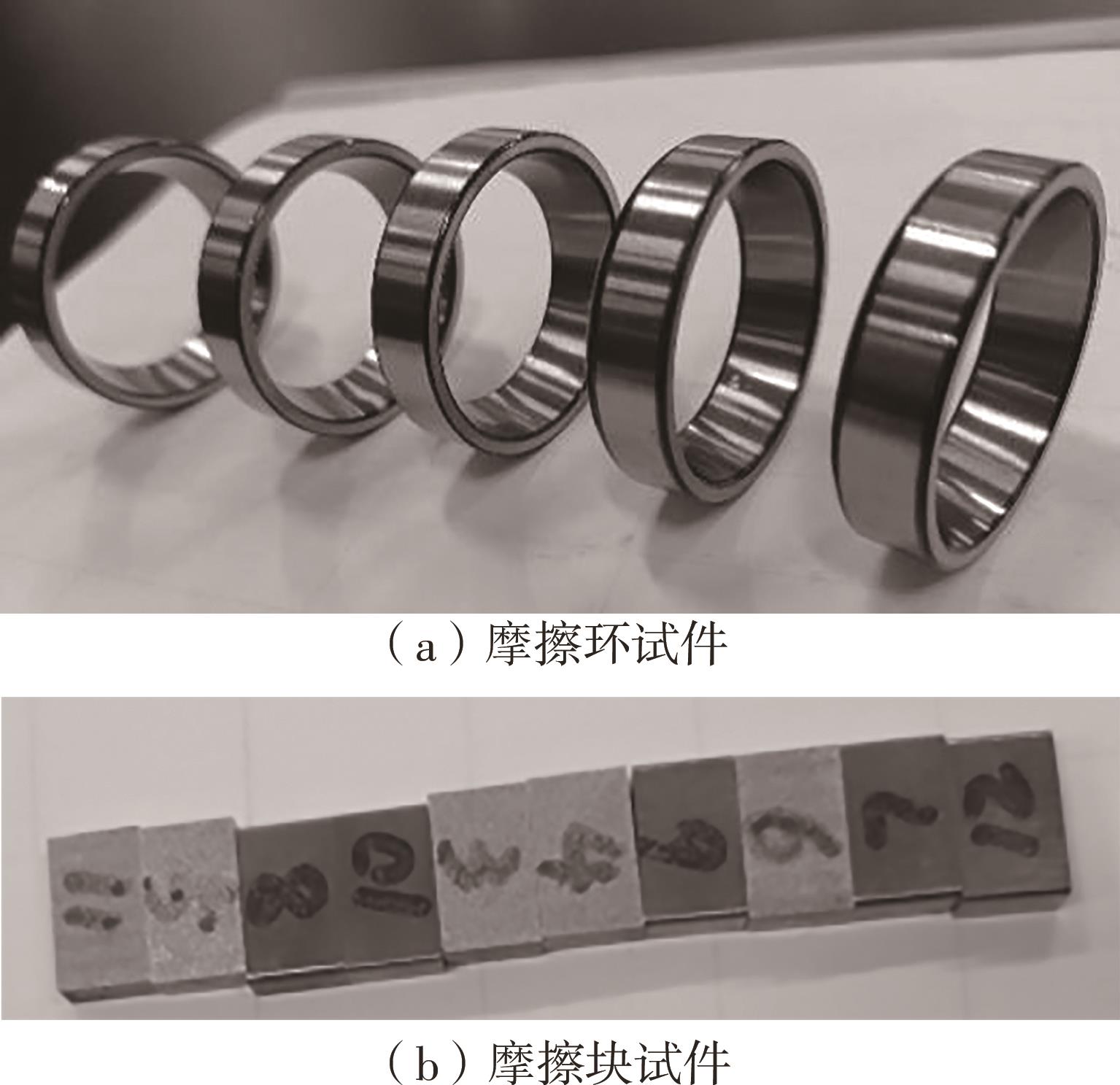
Table 3
Wear test parameters and results"
| 序号 | 块编号 | 环转速/(r∙min-1) | 径向载荷/N | 等效接触应力/MPa | 磨损体积/mm3 | 平均深度/μm | 平均宽度/μm |
|---|---|---|---|---|---|---|---|
| 1 | 3# | 500 | 217 | 375 | 0.001 | 0.4 | 0.3 |
| 2 | 4# | 500 | 386 | 500 | 0.003 | 2.3 | 0.6 |
| 3 | 5# | 500 | 603 | 625 | 0.004 | 2.4 | 0.7 |
| 4 | 6# | 500 | 869 | 750 | 0.010 | 5.0 | 0.8 |
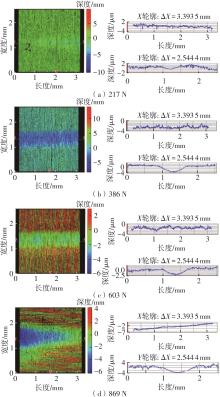
Fig.22
Specimen wear under different radial loads"
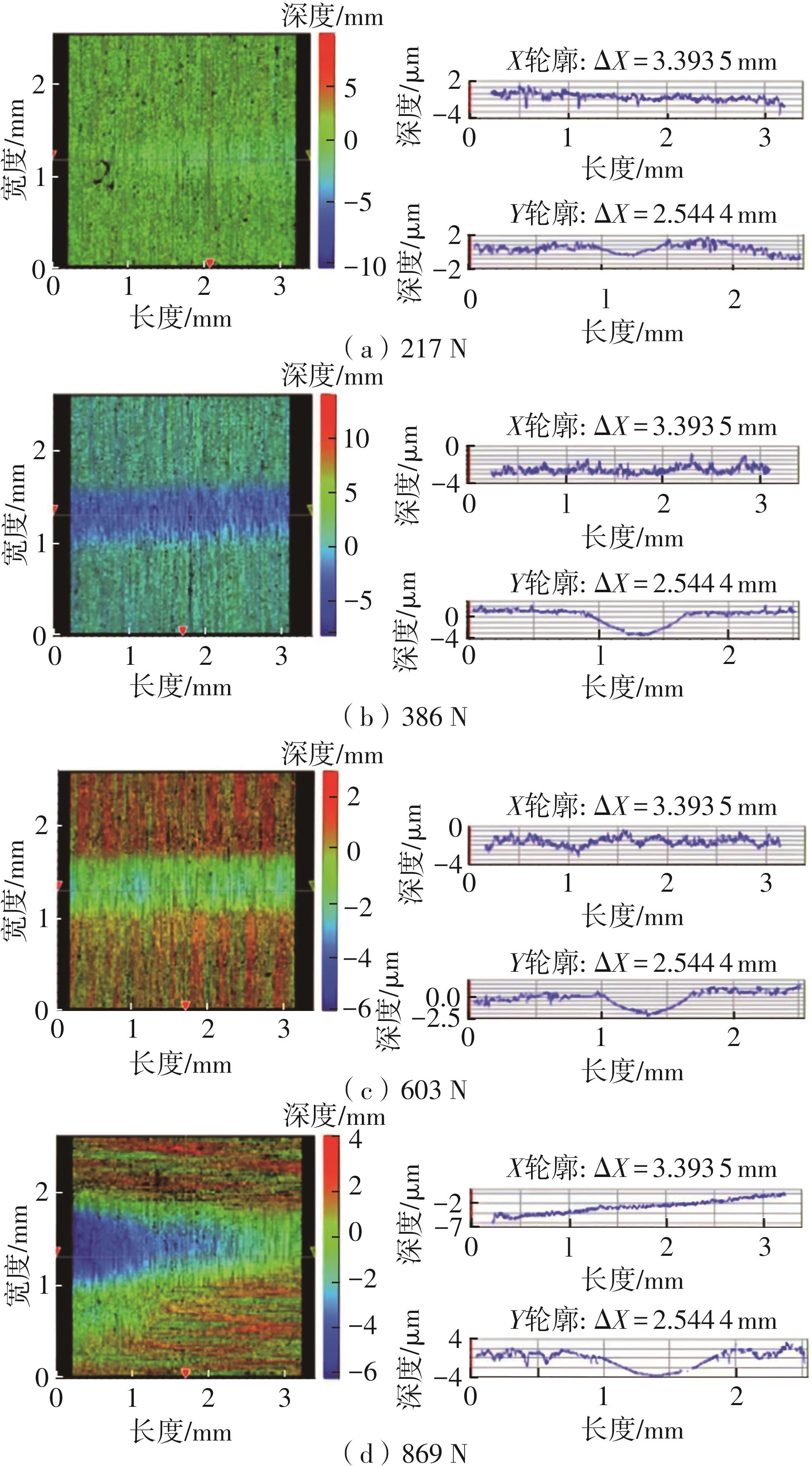
Table 4
Friction test parameters and results"
| 工况 | 径向载荷/N | 等效接触应力/MPa | 环转速/(r∙min-1) | 摩擦系数 |
|---|---|---|---|---|
| 1 | 386 | 500 | 10 | 0.126 2 |
| 2 | 50 | 0.107 3 | ||
| 3 | 100 | 0.079 5 | ||
| 4 | 300 | 0.049 2 | ||
| 5 | 500 | 0.032 2 |
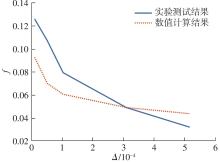
Fig.23
Comparison between test friction and numerical calculation results"
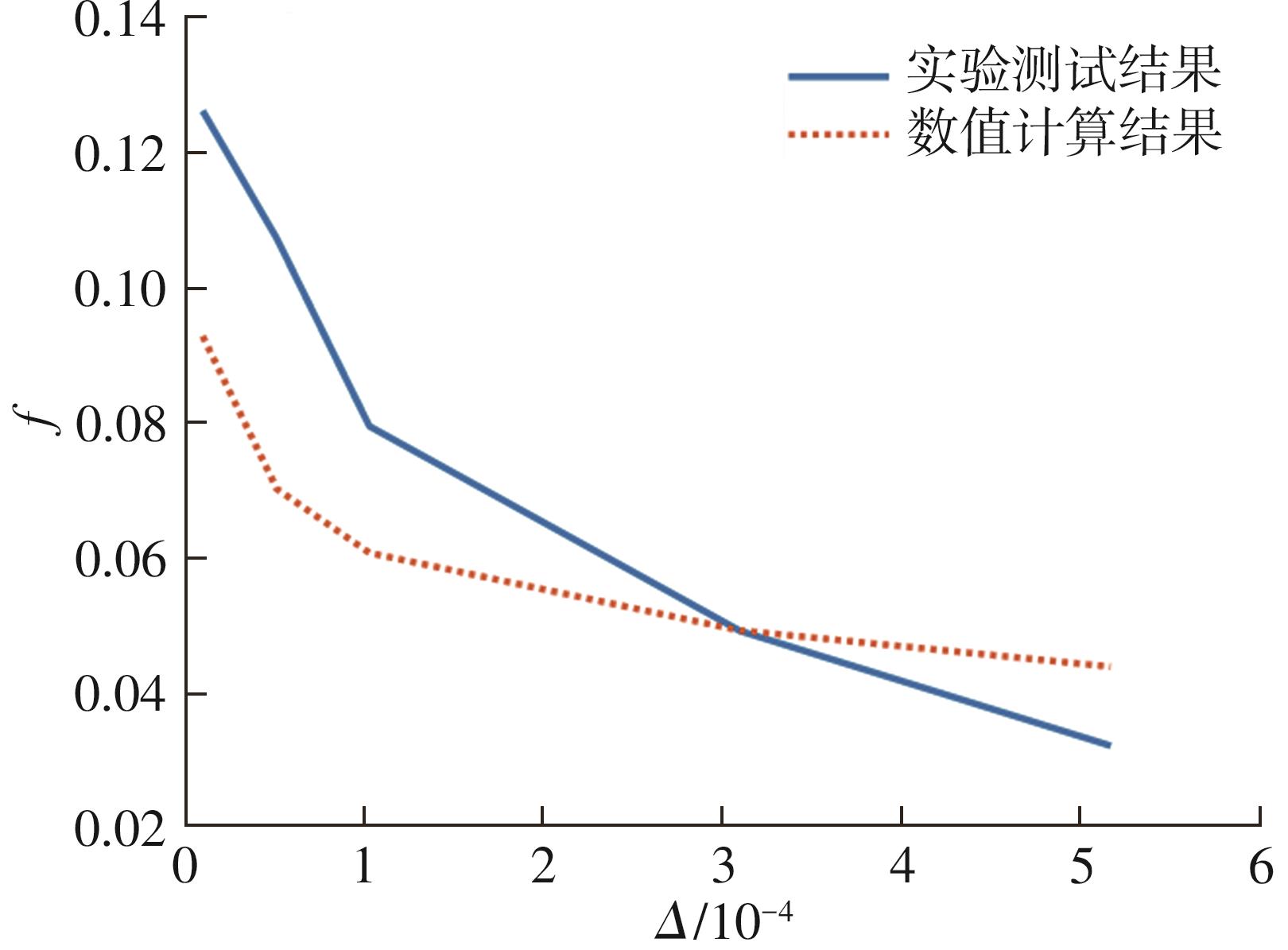
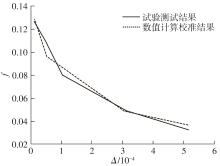
Fig.24
Comparison of test friction and calibration friction"
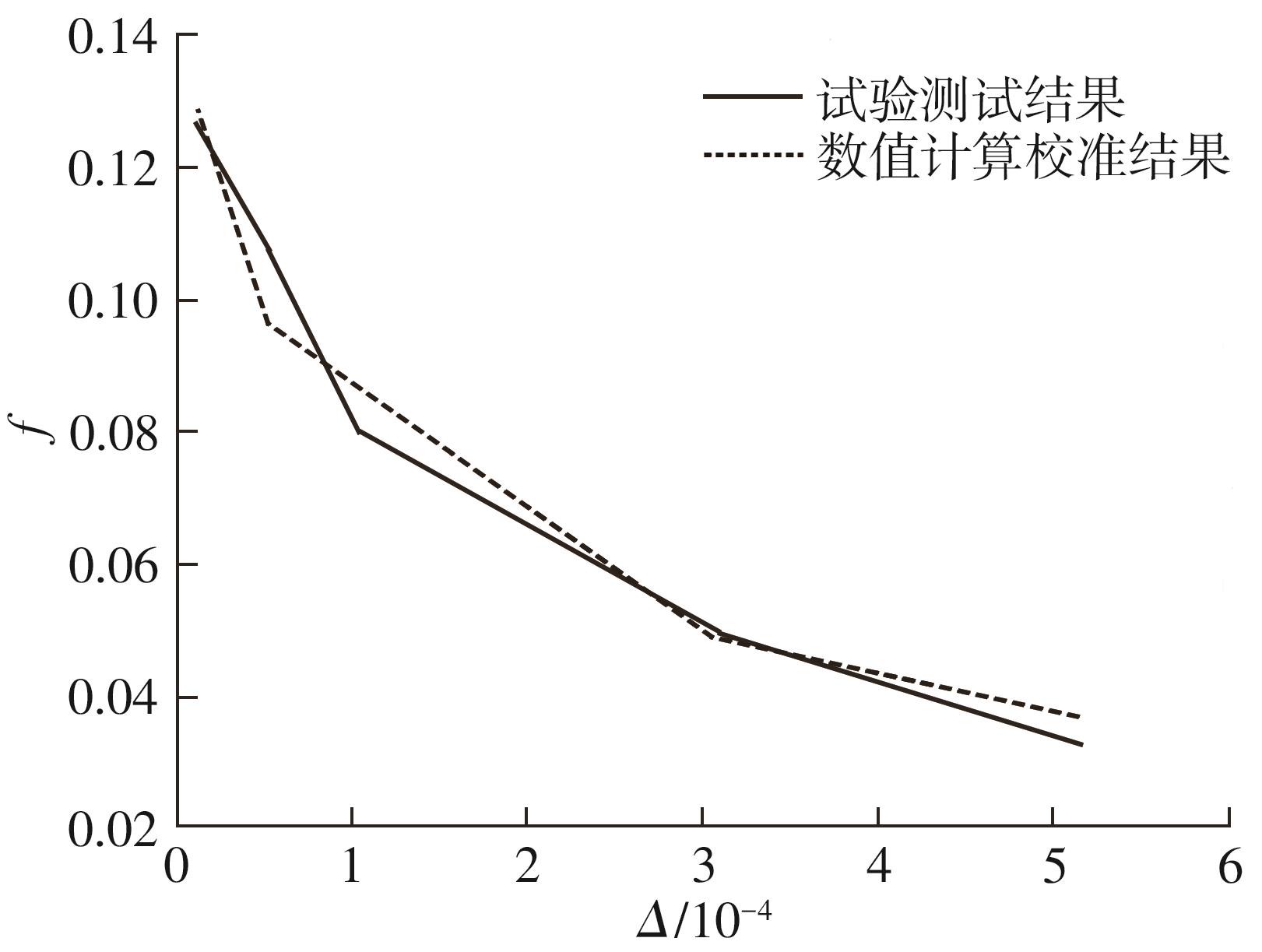
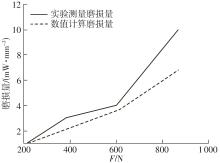
Fig.25
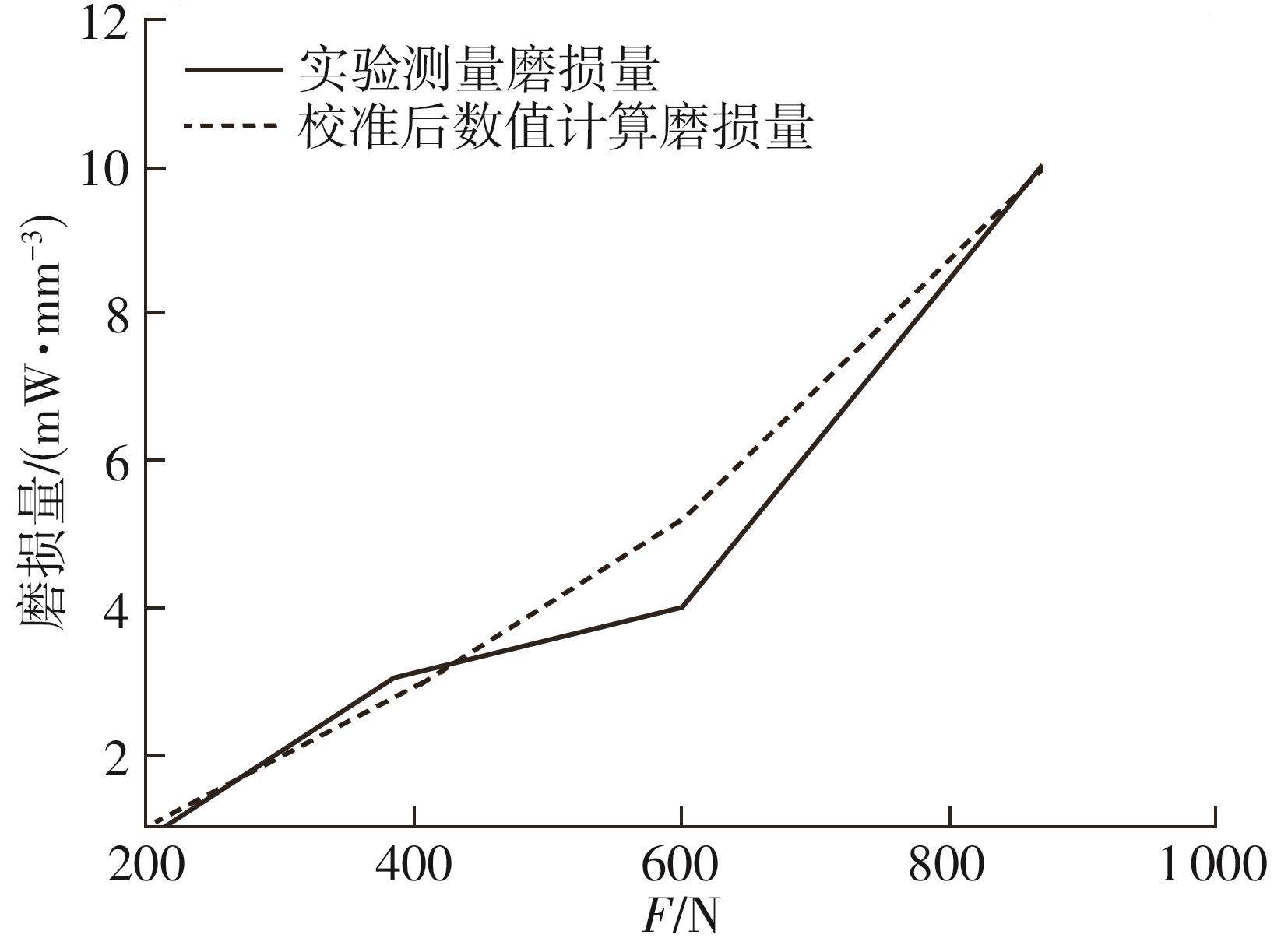
Comparison between test wear and numerical calculation results"
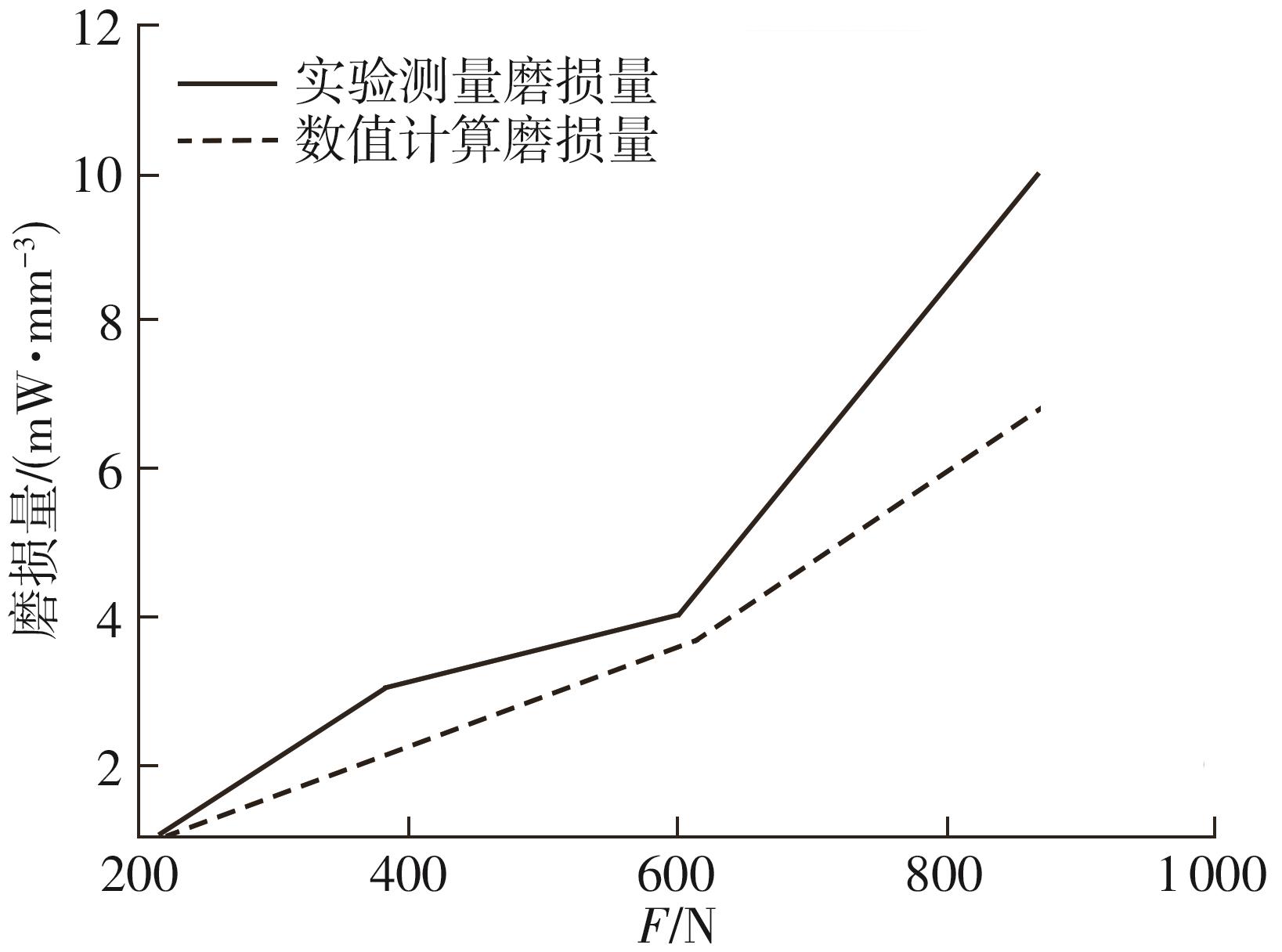
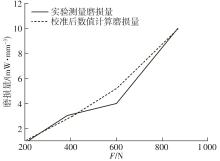
Fig.26
Comparison of test wear and calibration wear"
| [1] | SHI X J, WANG L Q, MAO Y Z,et al .Coupling study on dynamics and TEHL behavior of high-speed and heavy-load angular contact ball bearing with spinning[J].Tribology International,2015,88:76-84. |
| [2] | 白新瑞,刘晓玲 .乏油条件下圆柱滚子轴承的弹流润滑分析[J].润滑与密封,2013,38(1):45-50. |
| BAI Xinrui, LIU Xiaoling .Analysis of elastohydrodynamic lubrication for cylindrical roller bearings under starved oil-supply condition[J].Lubrication Engineering,2013,38(1):45-50. | |
| [3] | 陈芳华,汪久根,张根源 .对数修形圆锥滚子的弹流润滑分析[J].机械工程学报,2011,47(19):143-148. |
| CHEN Fanghua, WANG Jiugen, ZHANG Genyuan .Elastohydrodynamic lubrication of tapered roller with logarithmic profile[J].Journal of Mechanical Engineering,2011,47(19):143-148. | |
| [4] | 路遵友 .滚动轴承热弹流润滑特性研究[D].西安:西安理工大学,2020. |
| [5] | 魏波,王家序,周广武,等 .RV减速器主支撑角接触球轴承混合润滑分析[J].摩擦学学报,2015,35(4):454-461. |
| WEI Bo, WANG Jia-xu, ZHOU Guang-wu,et al .Mixed lubrication analysis of the main supporting angular contact ball bearing of RV reducer[J].Tribology,2015,35(4):454-461. | |
| [6] | 薛虎 .RV减速器滚针轴承的摩擦学分析[D].杭州:浙江大学,2017. |
| [7] | 曹亮,陈国强,董丽君 .基于润滑可靠性的RV减速器曲柄轴承优化[J].湖南工程学院学报(自然科学版),2021,31(4):30-34. |
| CAO Liang, CHEN Guo-qiang, DONG Li-jun .Optimization of crank bearing of RV reducer based on lubrication reliability[J].Journal of Hunan Institute of Engineering (Natural Science Edition),2021,31(4):30-34. | |
| [8] | 邓富康 .RV减速器曲柄轴相关轴承脂润滑弹流润滑分析[D].南宁:广西大学,2017. |
| [9] | HUA D Y, KHONSARI M M .Application of transient elastohydrodynamic lubrication analysis for gear transmissions[J].Tribology Transactions,1995,38(4):905-913. |
| [10] | LI S, KAHRAMAN A .A transient mixed elastohydrodynamic lubrication model for spur gear pairs[J].Journal of Tribology,2009,132(1):011501/1-9. |
| [11] | 孙章栋 .摆线针轮传动弹性流体动力润滑特性研究[D].重庆:重庆大学,2016. |
| [12] | ZHU C, SUN Z, LIU H,et al .Effect of tooth profile modification on lubrication performance of a cycloid drive[J].Journal of Engineering Tribology,2015,229(7):785-794. |
| [13] | WEI B, WANG J X, ZHOU G W,et al .Mixed lubrication analysis of modified cycloidal gear used in the RV reducer[J].Proceedings of the Institution of Mechanical Engineers, Part J:Journal of Engineering Tribology,2016,230(2):121-134. |
| [14] | 王君,陈智龙,程群超,等 .RV减速器摆线轮齿廓修形润滑性能分析[J].机械传动,2020,44(1):109-116. |
| WANG Jun, CHEN Zhilong, CHENG Qunchao,et al .Lubrication performance analysis of RV reducer cycloid tooth profile modification[J].Journal of Mechanical Transmission,2020,44(1):109-116. | |
| [15] | 张富帅,韩炬,王沐爱,等 .基于分形粗糙面的摆线针轮传动润滑特性分析[J].机械传动,2020,44(12):1-7. |
| ZHANG Fushuai, HAN Ju, WANG Muai,et al .Analysis of cycloidal pinwheel drive lubrication characteristic based on fractal rough surface[J].Journal of Mechanical Transmission,2020,44(12):1-7. | |
| [16] | 陈江义,史文华,秦东晨,等 .RV减速器摆线针轮传动脂润滑弹流分析[J].郑州大学学报(工学版),2022,43(3):98-103. |
| CHEN Jiangyi, SHI Wenhua, QIN Dongchen,et al .Elastohydrodynamic analysis of grease lubrication for cycloid pin wheel transmission of RV reducer[J].Journal of Zhengzhou University (Engineering Science),2022,43(3):98-103. | |
| [17] | 史文华 .脂润滑条件下RV减速器传动机构摩擦特性研究[D].郑州:郑州大学,2022. |
| [18] | 苏建新,李晨 .RV减速器摆线轮磨损量的数值计算与分析[J].机械传动,2021,45(4):41-45,57. |
| SU Jianxin, LI Chen .Numerical calculation and analysis of cycloidal gear wear amount of RV reducer[J].Journal of Mechanical Transmission,2021,45(4):41-45,57. | |
| [19] | 周建星,张荣华,曾群锋,等 .工业机器人用RV减速器的齿廓动态磨损特性[J].华南理工大学学报(自然科学版),2023,51(1):22-30. |
| ZHOU Jianxing, ZHANG Ronghua, ZENG Qunfeng,et al .Dynamic wear characteristics of tooth profile of RV reducer for industrial robot[J].Journal of South China University of Technology(Natural Science Edition),2023,51(1):22-30. | |
| [20] | HU Y Z, ZHU D .A full numerical solution to the mixed lubrication in point contacts[J].Journal of Tribology,2000,122(1):1-9. |
| [21] | REN N, ZHU D, CHEN W W,et al .A three-dimensional deterministic model for rough surface line-contact EHL problems[J].Journal of Tribology,2009,131:011501/1-9. |
| [22] | ZHU D, LIU Y, WANG Q .On the numerical accuracy of rough surface EHL solution[J].Tribology Transactions,2014,57:570-580. |
| [23] | 李俊阳,王家序,范凯杰,等 .谐波减速器黏着磨损失效加速寿命模型研究[J].摩擦学学报,2016,36(3):297-303. |
| LI Junyang, WANG Jiaxu, FAN Kaijie,et al .Acce-lerated life model for harmonic drive under adhesive wear[J].Tribology,2016,36(3):297-303. | |
| [24] | ZHU D, WANG Q J .On the λ ratio range of mixed lubrication[J].Proceedings of the Institution of Mechanical Engineers,Part J:Journal of Engineering Tribology, 2012, 226(12):1010-1022. |
| [1] | GUO Hong, QIN Lichuang, SHI Minghui, et al. Influence of Coupling Factors on Characteristics of Mixed Lubrication Sliding Bearings [J]. Journal of South China University of Technology(Natural Science Edition), 2023, 51(5): 141-150. |
| [2] | ZHOU Jianxing, ZHANG Ronghua, ZENG Qunfeng, et al. Dynamic Wear Characteristics of Tooth Profile of RV Reducer for Industrial Robot [J]. Journal of South China University of Technology(Natural Science Edition), 2023, 51(1): 22-30. |
| [3] | LU Longsheng ZHANG Feixiang WAN Zhenping TANG Yong. Cycloidal Gear Tooth Profile Modification of RV Reducer Based on Backlash-Optimized [J]. Journal of South China University of Technology (Natural Science Edition), 2018, 46(9): 1-8. |
| [4] |
ZHANG Jiange LIU Shaojun FANG Te .
Prediction of Gear Wear Rate in Mixed Lubrication and Experimental Verification
|
| Viewed | ||||||
|
Full text |
|
|||||
|
Abstract |
|
|||||