Journal of South China University of Technology(Natural Science Edition) ›› 2025, Vol. 53 ›› Issue (10): 29-39.doi: 10.12141/j.issn.1000-565X.240411
• Traffic Safety • Previous Articles Next Articles
Analysis of Highway Driving Fatigue Patterns in Heavy Truck Drivers
LI Chen, CHEN Feng, DING Wenlong, PAN Xiaodong
- The Key Laboratory of Road and Traffic Engineering,Ministry of Education,Tongji University,Shanghai 201804,China
-
Received:2024-08-20Online:2025-10-25Published:2025-04-25 -
Contact:陈丰(1982—),男,博士,教授,主要从事道路交通安全研究。 E-mail:fengchen@tongji.edu.cn -
About author:李琛(1998—),男,博士生,主要从事道路交通安全研究。E-mail: lichen0115ha@163.com -
Supported by:the National Natural Science Foundation of China(51978522)

CLC Number:
Cite this article
LI Chen, CHEN Feng, DING Wenlong, PAN Xiaodong. Analysis of Highway Driving Fatigue Patterns in Heavy Truck Drivers[J]. Journal of South China University of Technology(Natural Science Edition), 2025, 53(10): 29-39.
share this article
Fig.1
Overview of experimental route"
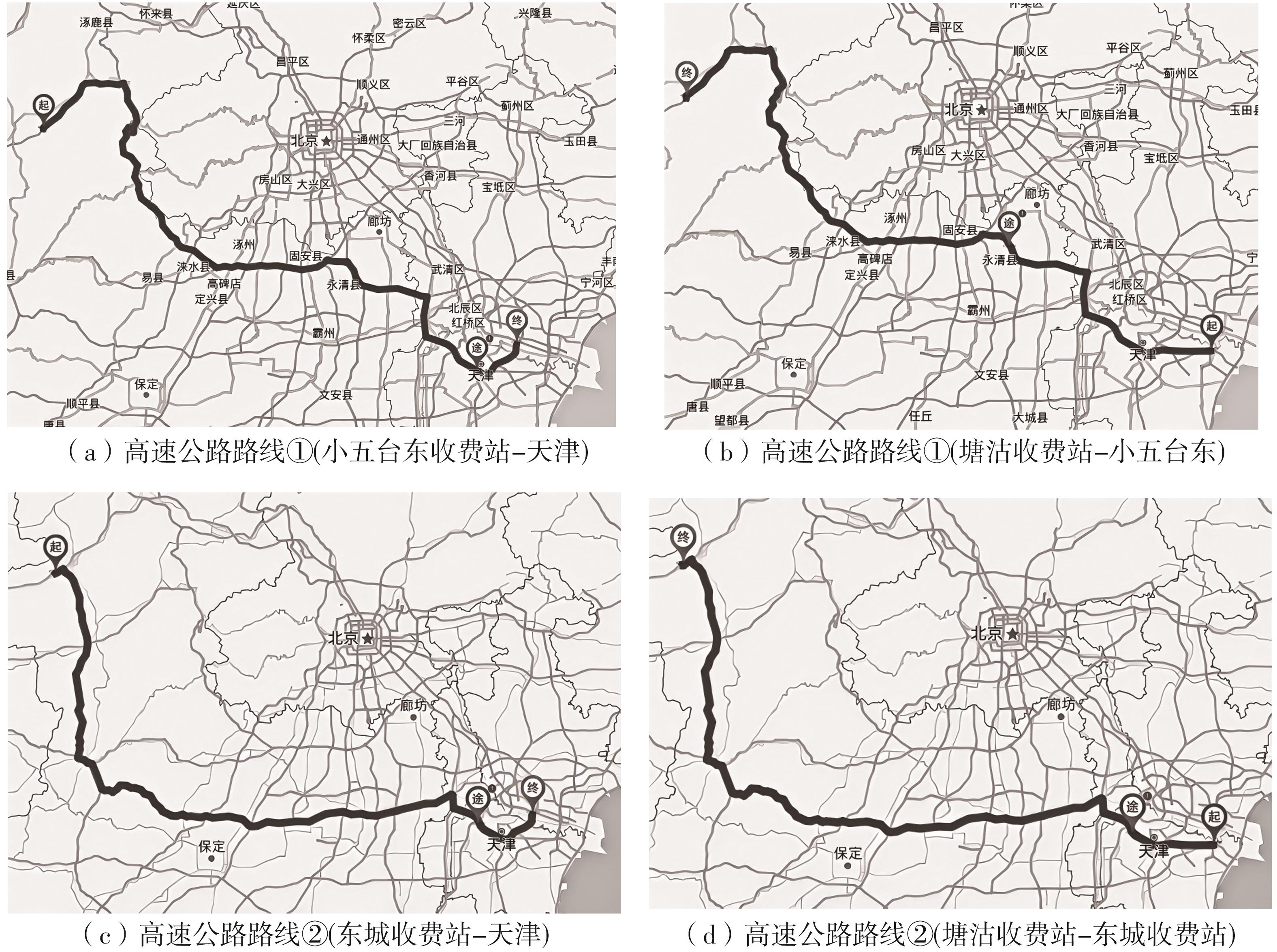

Table 1
Overview of the main highway sections of the experimental approach"
| 高速公路路段 | 车道数量 | 货车限速/( |
|---|---|---|
首都环线高速 (太行山高速互通-固安东) | 双向四车道 | 80 |
张石高速 (宣大高速互通-荣乌高速互通) | 双向四车道 | 80 |
荣乌高速 (津同立交桥-张石高速互通) | 双向四车道 | 80 |
京台高速 (永清北-津雄高速互通) | 双向八车道 | 100 |
津晋高速 (塘沽收费站-当城互通) | 双向六车道 | 100 |
Table 2
Age of recruited drivers for the experiment"
| 被试编号 | 年龄/岁 | 驾龄/年 |
|---|---|---|
| 1 | 41 | 24 |
| 2 | 47 | 26 |
| 3 | 55 | 16 |
| 4 | 54 | 22 |
| 5 | 43 | 23 |
| 6 | 39 | 19 |
| 7 | 45 | 23 |
| 8 | 36 | 13 |
| 9 | 30 | 8 |
| 10 | 40 | 17 |
Fig.2
Picture of vehicles driven by experimental participants"
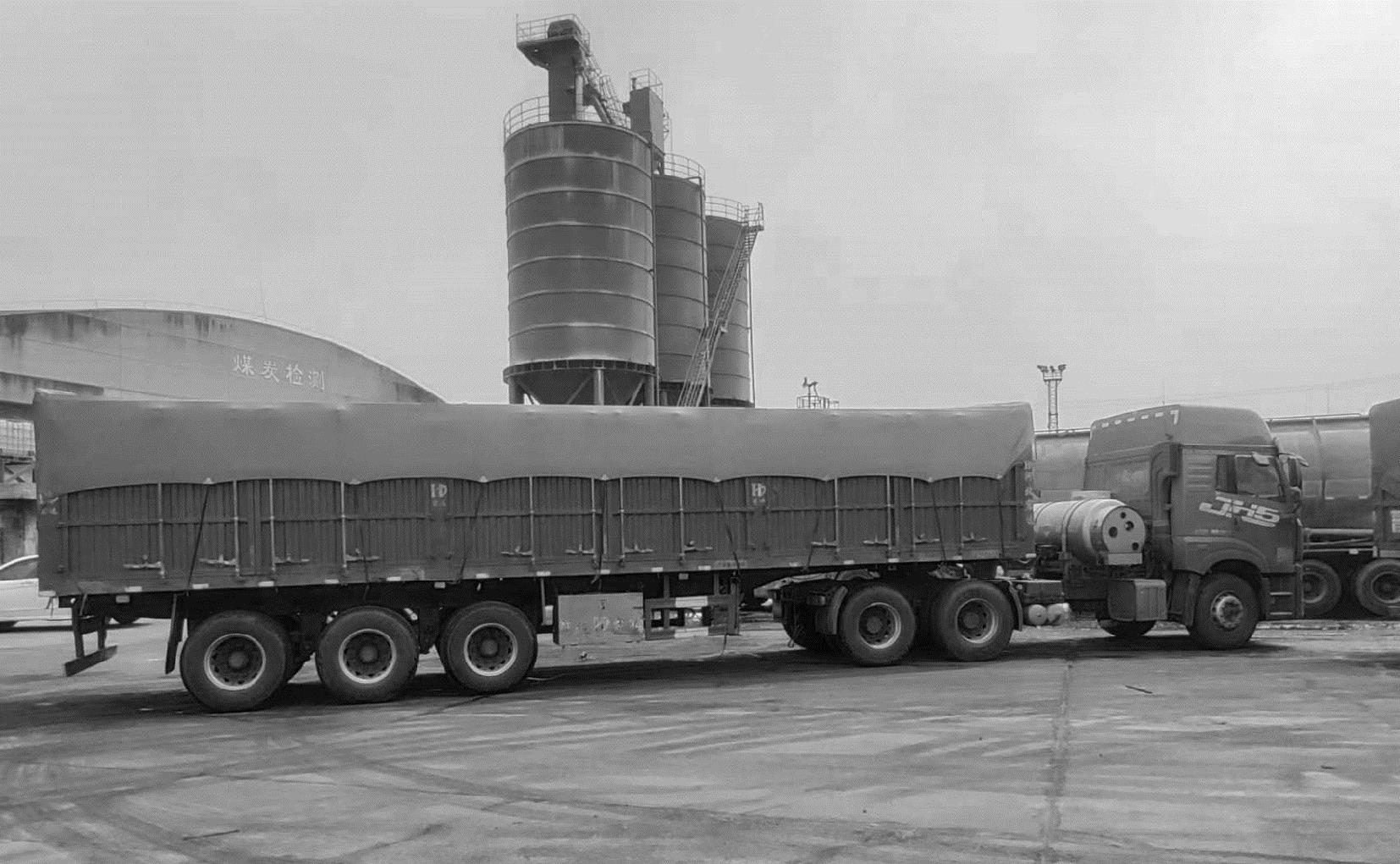
Fig.3
Picture of the eye tracking device used in the experiment"
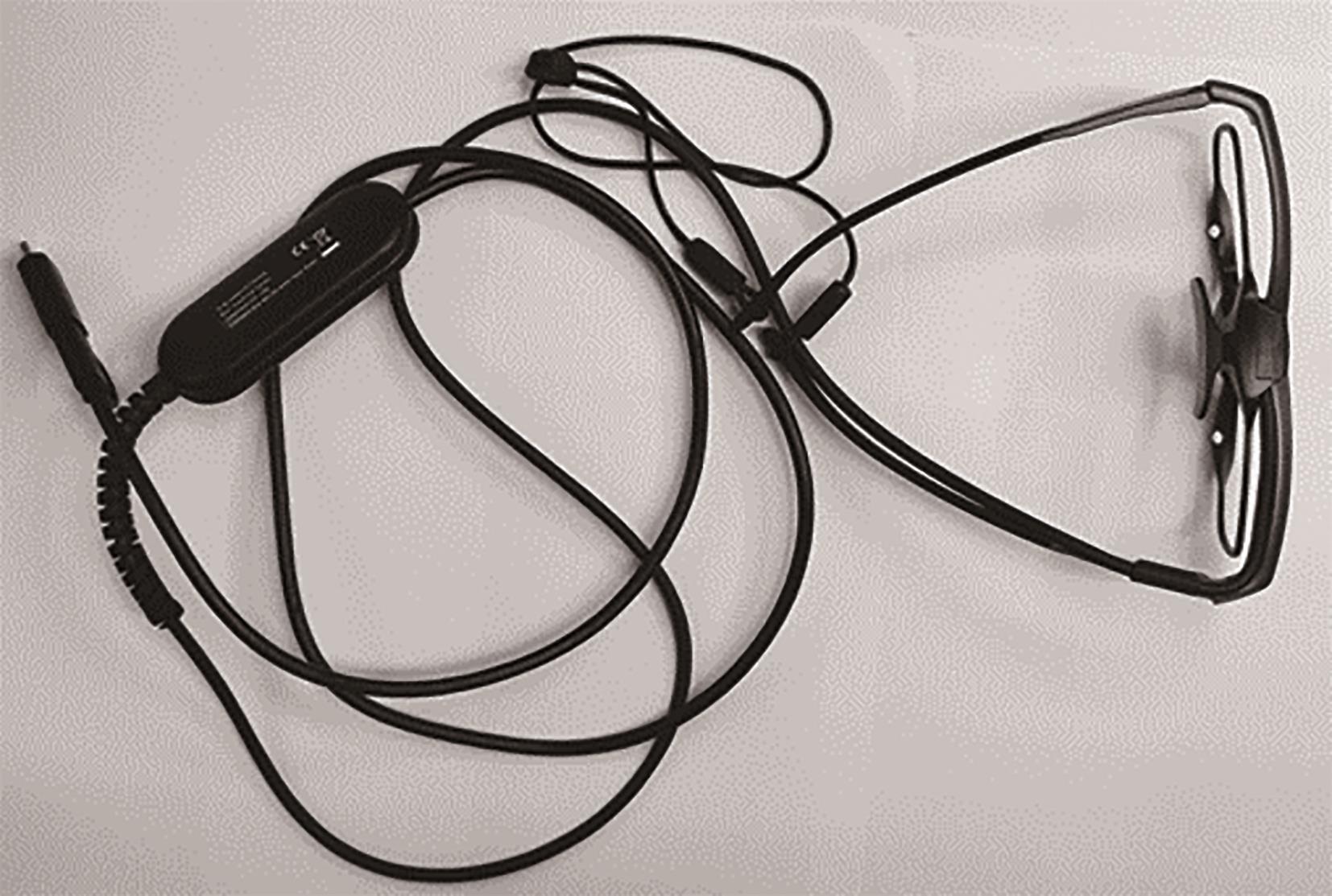
Fig.4
Picture of the dual-channel vehicle SD card video recorder equipment used in the experiment"
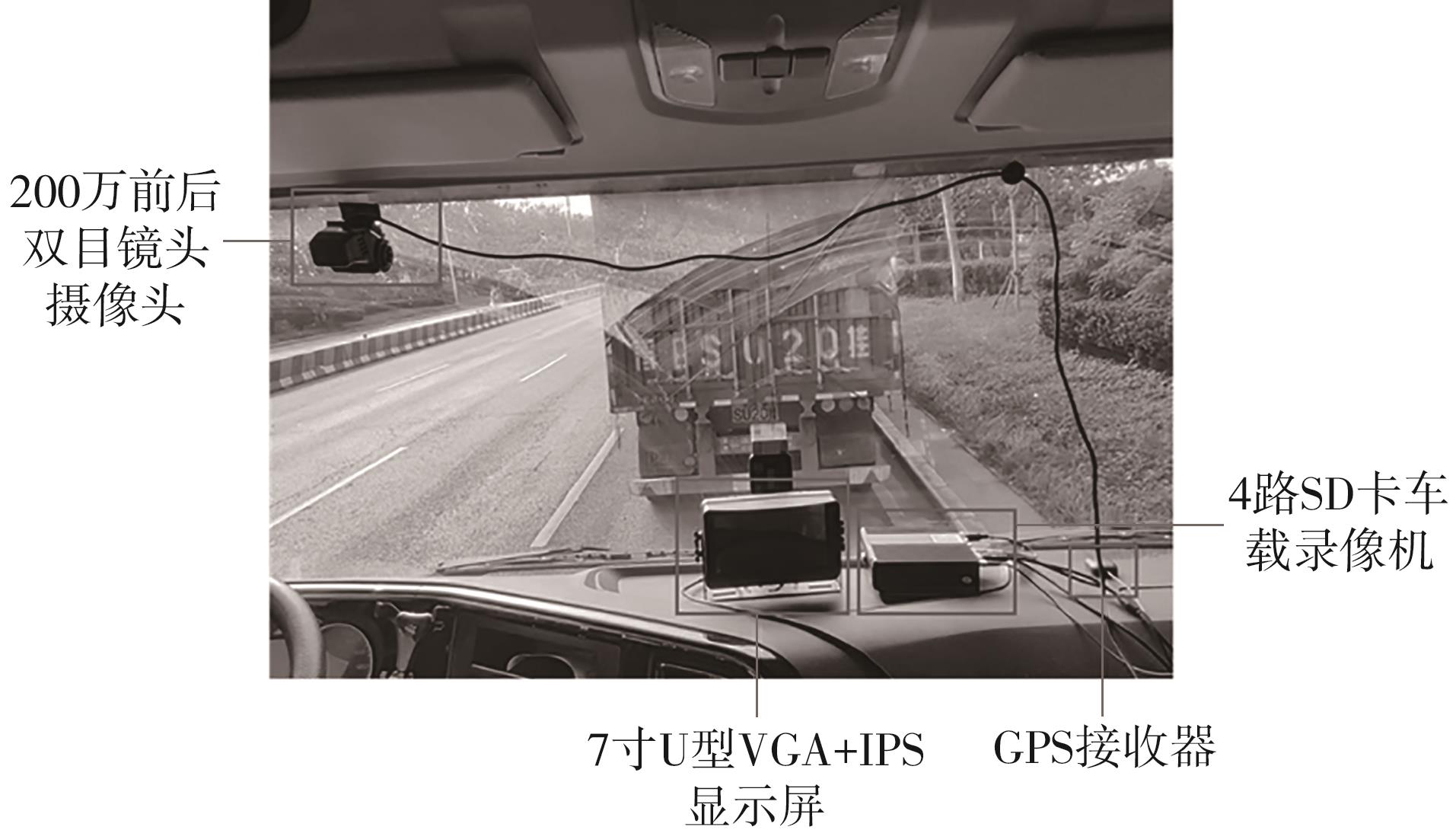
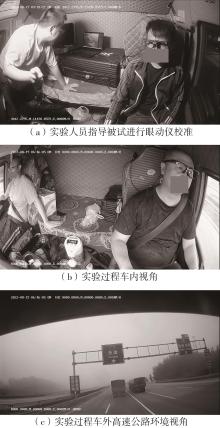
Fig.5
Schematic diagram of the experimental process"
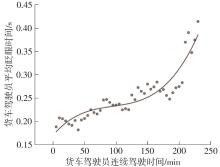
Fig.6
Schematic diagram of the relationship between the mean blink duration and the variation of driving time as well as the fitted curve"
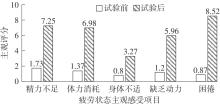
Fig.7
Subjective feelings of driving fatigue for truck drivers before and after the experiment"
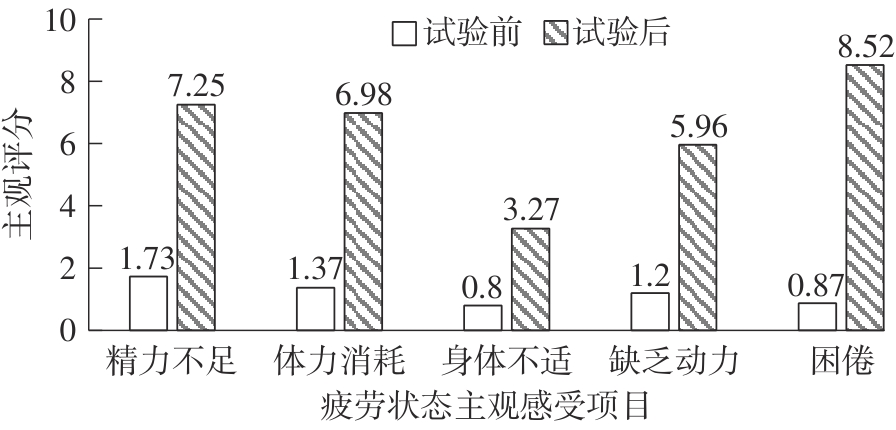
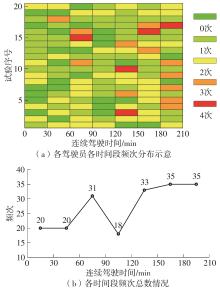
Fig.8
Schematic diagram of the frequency distribution of time windows with significant increase in mean blink duration"
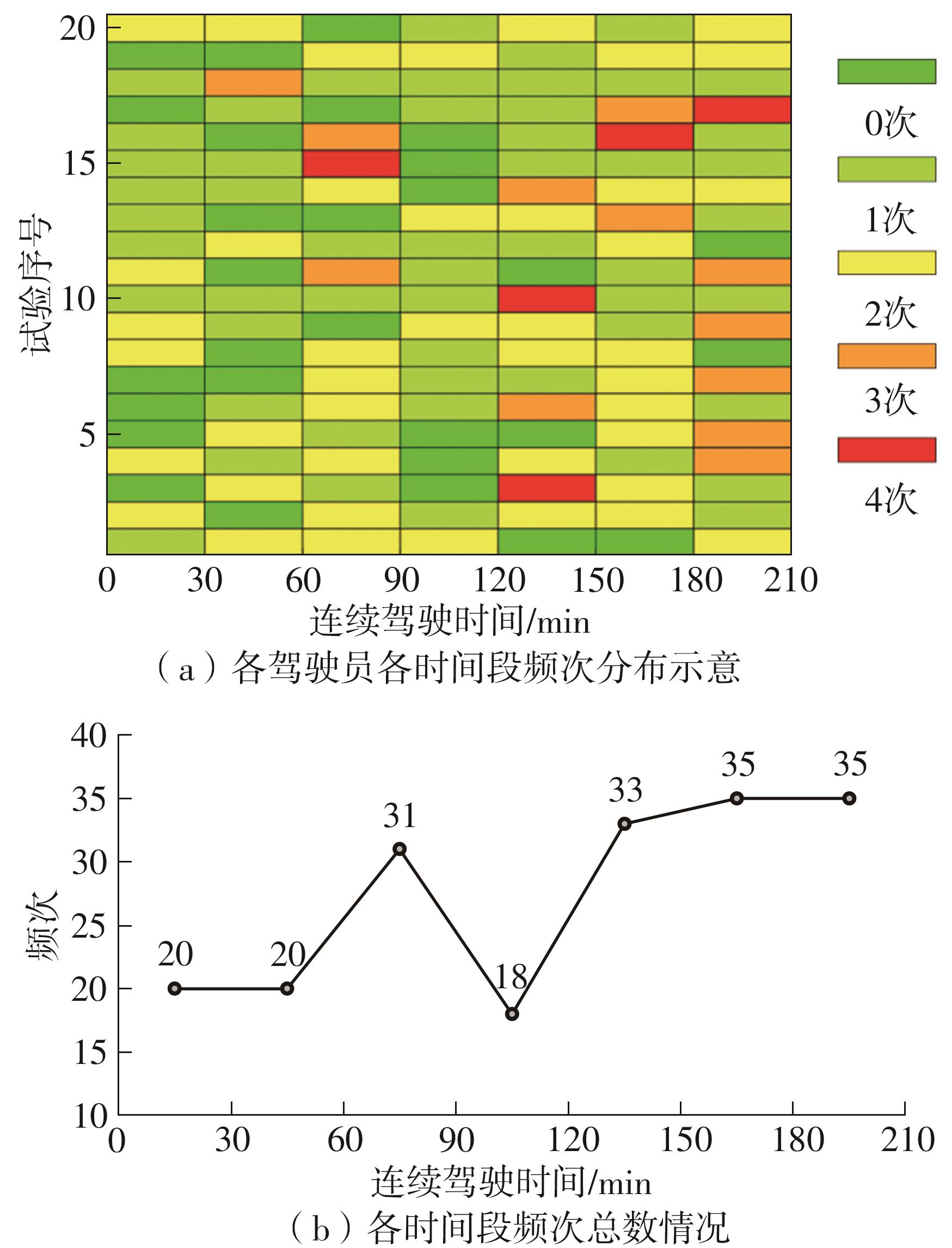
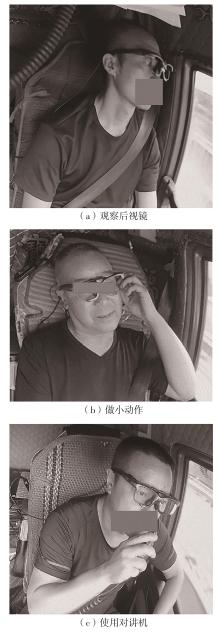
Fig.9
Photos of truck driver checking rearview mirror, making non-driving-related movements, and using the intercom during continuous driving"
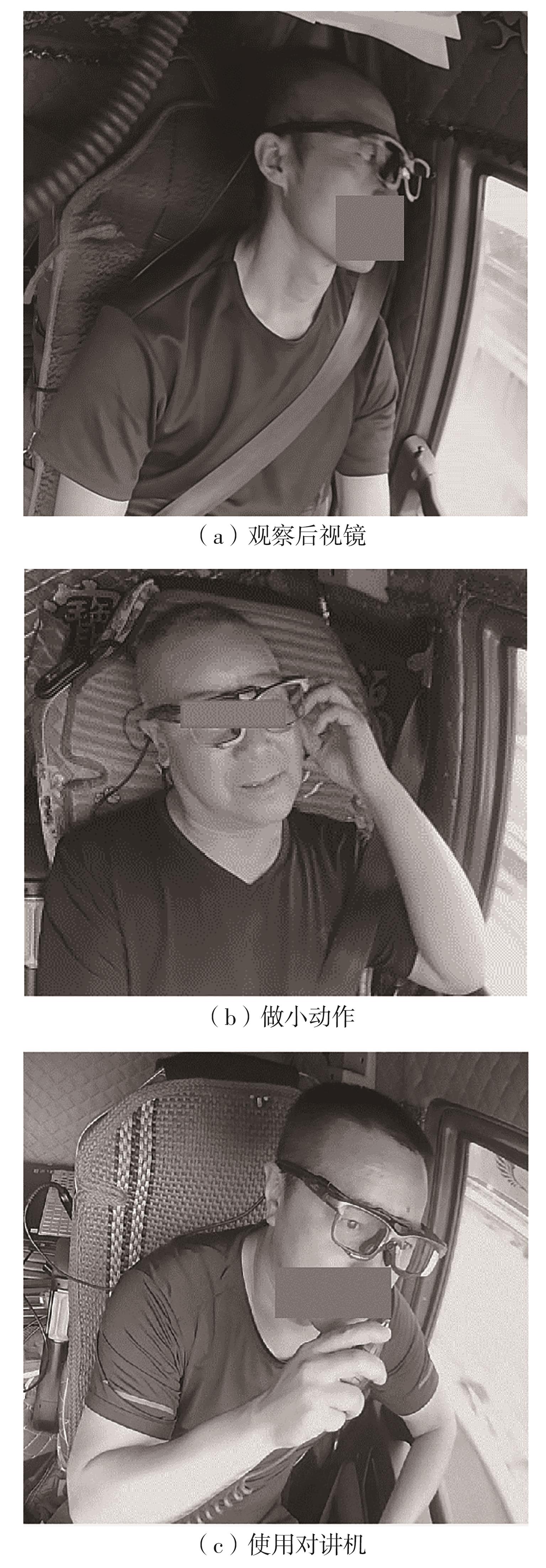
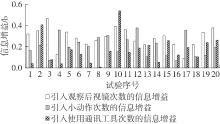
Fig.10
Information gain from adding the frequency of rearview mirror-checking, non-driving-related movements, and communication behaviors"
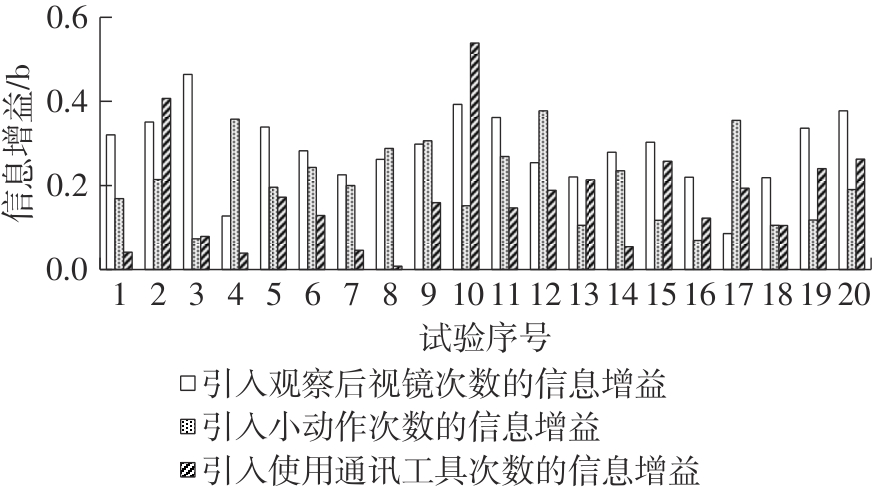
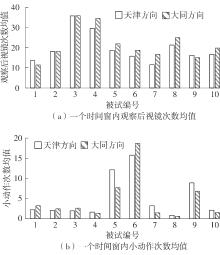
Fig.11
Average number of times the driver observes the rearview mirror and the average number of small movements in the direction of Datong and Tianjin"
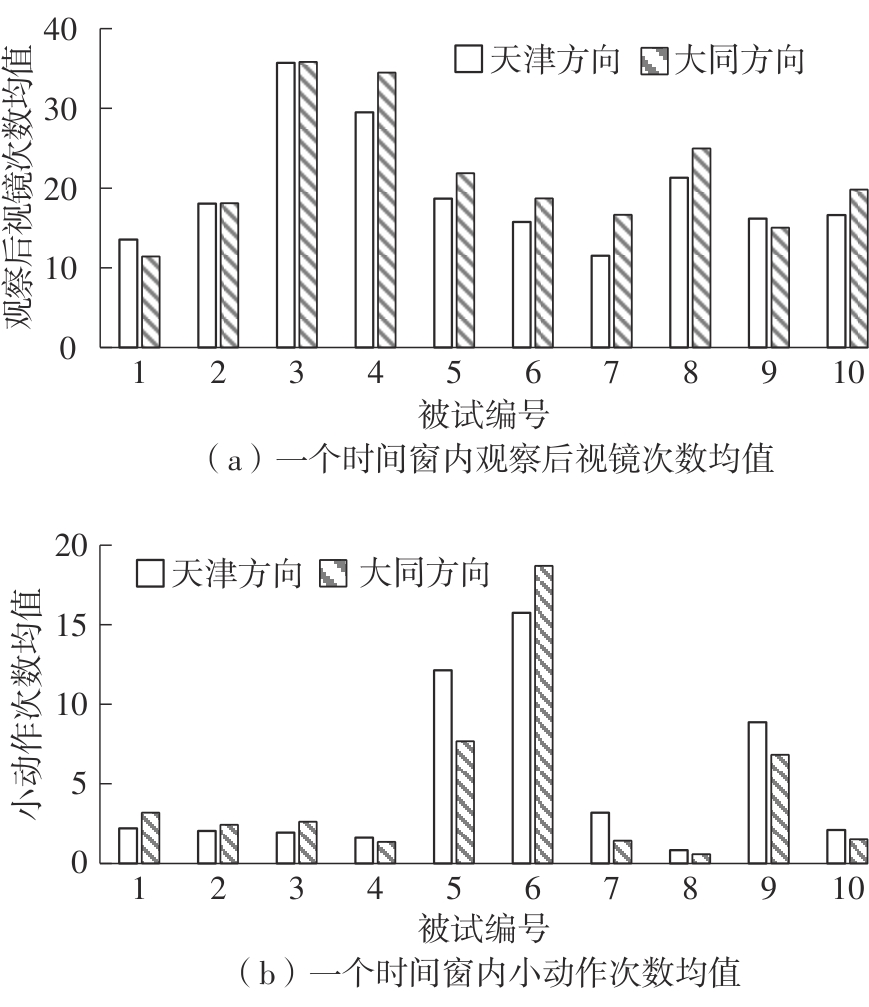
Table 3
Variable selection for model construction"
| 变量代号 | 变量含义 |
|---|---|
| 时间窗 | |
| 时间窗 | |
| 时间窗 | |
| 时间窗 | |
| 时间窗 | |
| 时间窗 | |
| 时间窗 |
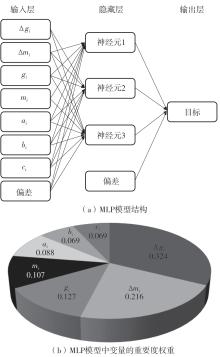
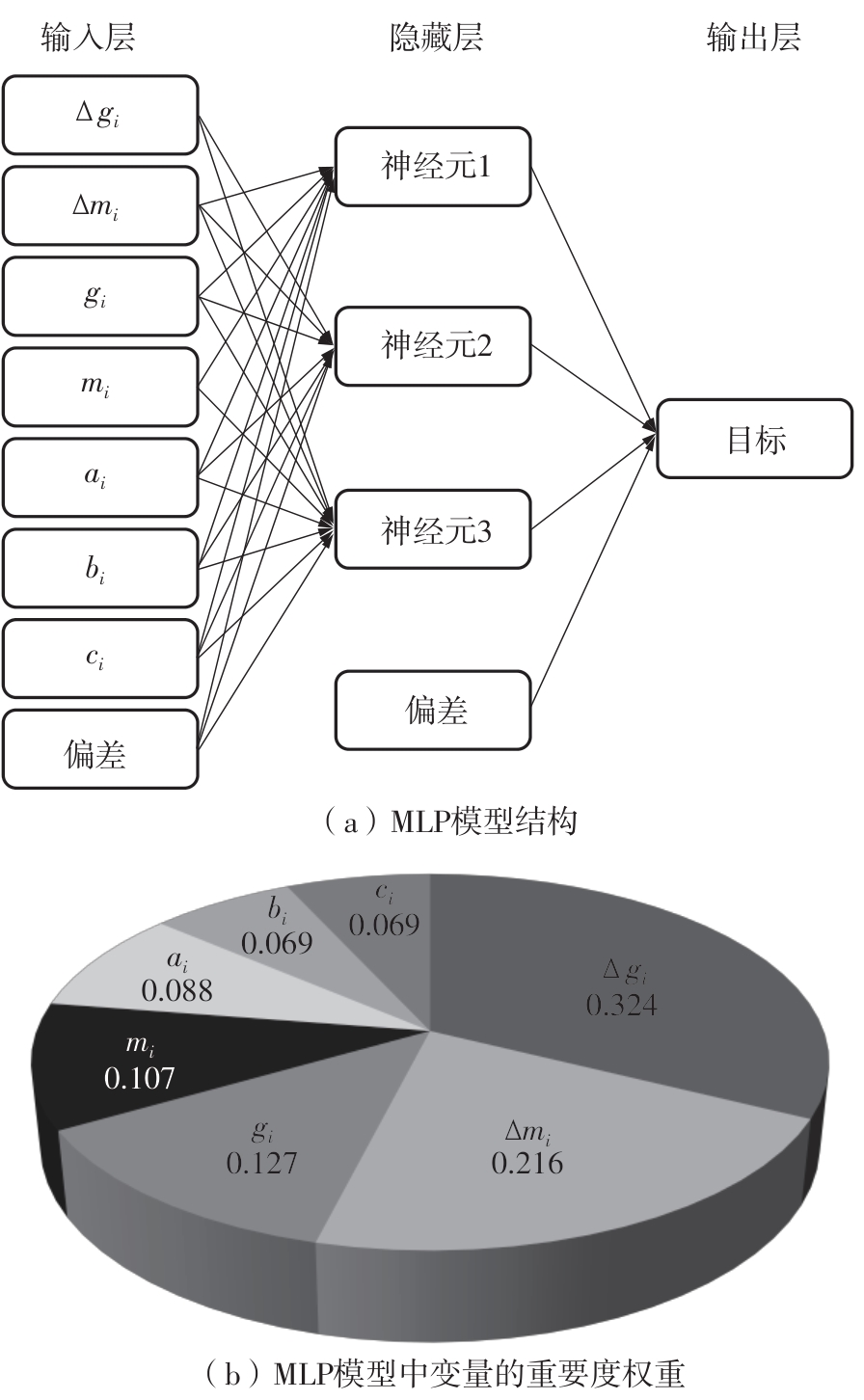
Fig.12
Schematic diagram of MLP model structure and para-meters"
| [1] | 国家统计局 .2024年中国统计年鉴[M].北京:中国统计出版社,2024. |
| [2] | 李振明,牛毅,樊运晓,等 .不同区域高速公路货车事故特征研究[J].中国安全科学学报,2020,30(6):121-127. |
| LI Zhenming, NIU Yi, FAN Yunxiao,et al .Research on characteristics of expressway truck accidents in diffe-rent regions[J].China Safety Science Journal, 2020,30(6):121-127. | |
| [3] | 沈艾中 .大货车之殇——货运车辆交通事故高发的成因及对策[J].公安学刊(浙江警察学院学报),2012,13(1):85-87,97. |
| SHEN Aizhong .The tragedy of large trucks—the causes and countermeasures of high incidence of traffic accidents in freight vehicles[J].Public Security Science Journal—Journal of Zhejiang Police College,2012,13(1):85-87,97. | |
| [4] | HYODO S, YOSHII T, SATOSHI M,et al .An analysis of the impact of driving time on the driver’ s behavior using probe car data[J].Transportation Research Procedia,2017,21(3):169-179. |
| [5] | 丁剑超,万勇征,蒋来 .货车驾驶员疲劳驾驶成因分析及对策建议——以宁波舟山港集装箱运输车辆为例[C]∥ 2019年安全科学与工程技术研讨会论文集.杭州:浙江省安全工程学会,2019:196-200. |
| [6] | ANUND A, HLSTRÖM C, FoRs C,et al .Are professional drivers less sleepy than non-professional drivers?[J].Scandinavian Journal of Work,Environment & Health,2018,44(1):88-95. |
| [7] | 陈阳坚 .高速公路重型货车与轿车驾驶疲劳评价分析[D].哈尔滨:东北农业大学,2015. |
| [8] | 裴玉龙,刘颖慧,翟博韬 .营运长途客车驾驶员疲劳累积规律及模型研究[J].交通信息与安全,2017,35(1):26-34. |
| PEI Yulong, LIU Yinghui, ZHAI Botao .A study on rules of fatigue accumulation and a model of operating long-distance coach drivers[J].Journal of Transport Information and Safety,2017,35(1):26-34. | |
| [9] | BOWDEN Z E, RAGSDALE C T .The truck driver scheduling problem with fatigue monitoring[J].Decision Support Systems,2018,110(6):20-31. |
| [10] | VO S A, MIROWSKI L, SCANLAN J,et al .Verifying driver performance for heavy haulage fatigue ma-nagement[J].IET Intelligent Transport Systems,2019,13(6):1033-1040. |
| [11] | LI Z, YANG Q, CHEN S,et al .A fuzzy recurrent neural network for driver fatigue detection based on steering-wheel angle sensor data[J].International Journal of Distributed Sensor Networks,2019,15(9):1-9. |
| [12] | 马永锋,喻铃华,陈淑燕,等 .自然驾驶状态下重型工程车驾驶员驾驶稳定性分析[J].中国公路学报,2022,35(1):169-179. |
| MA Yong-feng, YU Ling-hua, CHEN Shu-yan,et al .Analysis of driving-stability factors for heavy-duty truck drivers under naturalistic driving conditions[J].China Journal of Highway and Transport,2020,35(1):169-179. | |
| [13] | 陈阳坚,孔德刚,吴灿,等 .重型长途货运汽车夜间驾驶疲劳测试研究[J].工业工程,2015,18(4):152-156. |
| CHEN Yang-jian, KONG De-gang, WU Can,et al .A driving fatigue test of heavy long-distance freight vehicles at night[J].Industrial Engineering Journal, 2015,18(4):152-156. | |
| [14] | 马艳丽,裴玉龙 .连续驾驶时间对驾驶特性测评指标的影响[J].中国公路学报,2009,22(1):84-88. |
| MA Yan-li, PEI Yu-long .Influences of continuous driving time on test indicators of driving characteristics [J].China Journal of Highway and Transport,2009,22(1):84-88. | |
| [15] | ZHOU F, ALSAID A, BLOMMER M,et al .Driver fatigue transition prediction in highly automated driving using physiological features[J].Expert Systems with Applications,2020,147(1):113204/1-9. |
| [16] | 刘馨雨,李庭燎 .基于驾驶员面部特征的疲劳检测系统研究[J].时代汽车,2023(10):195-198. |
| LIU Xinyu, LI Tingliao .Research on fatigue detection system based on driver facial features[J].Auto Time,2023(10):195-198. | |
| [17] | 孙忆晨 .基于视觉特征的疲劳检测算法研究[D].北京:北京邮电大学,2015. |
| [18] | 王勤 .基于多特征信息的疲劳驾驶检测系统研究[D].成都:西华大学,2015. |
| [19] | 方浩杰,董红召,林少轩,等 .多特征融合的驾驶员疲劳状态检测方法[J].浙江大学学报(工学版),2023,57(7):1287-1296. |
| FANG Hao-jie, DONG Hong-zhao, LIN Shao-xuan,et al .Driver fatigue state detection method based on multi-feature fusion[J].Journal of Zhejiang University (Engineering Science),2023,57(7):1287-1296. | |
| [20] | MAY J F, BALDWIN C L .Driver fatigue:the importance of identifying causal factors of fatigue when consi-dering detection and countermeasure technologies[J].Transportation Research Part F:Traffic Psychology and Behaviour,2009,12(3):218-224. |
| [21] | HU X, LODEWIJKS G .Detecting fatigue in car dri-vers and aircraft pilots by using non-invasive measures:the value of differentiation of sleepiness and mental fatigue[J].Journal of Safety Research,2020,72:173-187. |
| [22] | AHLSTROM C, LEEUWEN W, KRUPENIA S,et al .Real-time adaptation of driving time and rest periods in automated long-haul trucking:development of a system based on biomathematical modelling,fatigue and rela-xation monitoring[J].IEEE Transactions on Intelligent Transportation Systems,2021,23(5):4758-4766. |
| [23] | 柴宝根 .略谈“汽车驾驶员疲劳‘打盹’特性曲线”[J].心理科学,1982,13(6):56-57. |
| CHAI Baogen .A brief discussion on the characteristic curve of fatigue and napping of automobile drivers[J].Journal of Psychological Science,1982,13(6):56-57. | |
| [24] | 潘晓东,李君羡,徐小冬 .基于眼部行为的驾驶疲劳评价指标的阈值[J].同济大学学报(自然科学版),2011,39(12):1811-1815. |
| PAN Xiaodong, LI Junxian, XU Xiaodong .Threshold value of indices of eye states to monitor driver fatigue[J].Journal of Tongji University (Natural Science),2011,39(12):1811-1815. | |
| [25] | 高珍,陈超,许靖宁,等 .基于车载视觉的端到端驾驶员疲劳检测模型[J].同济大学学报(自然科学版),2024,52(2):284-292. |
| GAO Zhen, CHEN Chao, XU Jingning,et al .End-to-end driver fatigue detection model based on in-vehicle vision[J].Journal of Tongji University (Natural Science),2024,52(2):284-292. | |
| [26] | 蔡素贤,杜超坎,周思毅,等 .基于车辆运行数据的疲劳驾驶状态检测[J].交通运输系统工程与信息,2020,20(4):77-82. |
| CAI Su-xian, DU Chao-kan, ZHOU Si-yi,et al .Fatigue driving state detection based on vehicle running data[J].Journal of Transportation Systems Engineering and Information Technology,2020,20(4):77-82. | |
| [27] | 裴玉龙,蔡小溪,刘颖慧 .长途客运驾驶员出车前疲劳状态便捷检测方法研究[J].公路交通科技,2020,37(1):131-140. |
| PEI Yu-long, CAI Xiao-xi, LIU Ying-hui .Study on method for convenient detecting long-distance bus driver’ s fatigue state before driving[J].Journal of Highway and Transportation Research and Development,2020,37(1):131-140. |
| [1] | WEN Huiying, HUANG Kunhuo, CHEN Zhe, ZHAO Sheng, HU Yuqing, HUANG Junda. An Investigation into Expressway Merging Behavior and Safety Based on ExiD Data [J]. Journal of South China University of Technology(Natural Science Edition), 2025, 53(8): 50-60. |
| [2] | WEN Huiying, MA Zhaoliang, ZHAO Sheng, WU Liming, HUANG Kunhuo. Analysis of Factors Affecting Truck Accidents on Mountainous Freeways [J]. Journal of South China University of Technology(Natural Science Edition), 2025, 53(7): 93-103. |
| [3] | DONG Chunjiao, LU Yuxiao, MA Sheqiang, et al.. Analyzing and Modeling of Multi-Class E-Bikes Violation Behaviors at Signalized Intersection [J]. Journal of South China University of Technology(Natural Science Edition), 2024, 52(1): 83-89. |
| [4] | LIN Peiqun, GONG Minping, ZHOU Chuhao. User Portrait Method of Freeway Freight Car for Risk Identification of Freight Transportation [J]. Journal of South China University of Technology(Natural Science Edition), 2023, 51(6): 1-9. |
| [5] | GUO Miao, ZHAO Xiaohua, YAO Ying, et al. Study on Accident Risk Based on Driving Behavior and Traffic Operating Status [J]. Journal of South China University of Technology(Natural Science Edition), 2022, 50(9): 29-38. |
| [6] | ZHAO Xiaohua, ZHU Hongzhen, BIAN Yang, et al. Research on Self-Regulation Behavior of Elderly Drivers Based on Extended TPB Model [J]. Journal of South China University of Technology(Natural Science Edition), 2022, 50(3): 28-37. |
| [7] | LU Yue FU Xinsha. Analysis of Urban Landscape and Traffic Safety Based on Street View Images [J]. Journal of South China University of Technology (Natural Science Edition), 2021, 49(10): 22-30. |
| [8] | MA Yingying LU Siyuan. A Decision Making Model of College Students' Red Light Behavior Based On The Theory Of Planned Behavior [J]. Journal of South China University of Technology (Natural Science Edition), 2018, 46(9): 73-81. |
| [9] |
WEN Huiying SUN Jiaren ZENG Qiang ZHANG Xuan .
Quantitative Estimation on the Safety Effect of Traffic Composition on Freeways
|
| [10] | WEN Huiying TANG Zuogan. Comparative Study on Motorcycle Crash Injury Severity Estimation Based on Nested Logit and Random Parameters Logit Models [J]. Journal of South China University of Technology(Natural Science Edition), 2018, 46(11): 83-91. |
| [11] | YAN Li-xin HUANG Zhen WU Chao-zhong QIN Ling-qiao ZHU Dun-yao RAN Bin. Driving Mode Selection of Intelligent Vehicles Based on Risky Situation Identification [J]. Journal of South China University of Technology(Natural Science Edition), 2016, 44(8): 139-146,154. |
| [12] | WEN Hui-ying LIU Min WANG Hai-wei. A Control Method of Variable Speed Limits for Highway Mountain Breeze Transit Road in Rainy Days [J]. Journal of South China University of Technology (Natural Science Edition), 2016, 44(12): 67-73. |
| [13] | YAN Ying YE Fei WANG Xiao-Fei SHEN Xiao-yan HU Hui. Analysis of Ambient Illumination and Driver's Pupil Area in Tunnel Group [J]. Journal of South China University of Technology (Natural Science Edition), 2016, 44(12): 89-96. |
| [14] | Xu Lun- hui Luo Qiang Xia Xin- hai Hu San- gen. Estimation Method of Time- to- Line Crossing for Lane Departure Warning System [J]. Journal of South China University of Technology (Natural Science Edition), 2014, 42(3): 59-65,71. |
| [15] | Tao Ze-ming Pei Yu-long. Automatic Matching of Image Feature Points of Accident Vehicle [J]. Journal of South China University of Technology (Natural Science Edition), 2009, 37(3): 138-143. |
| Viewed | ||||||
|
Full text |
|
|||||
|
Abstract |
|
|||||