华南理工大学学报(自然科学版) ›› 2025, Vol. 53 ›› Issue (11): 77-89.doi: 10.12141/j.issn.1000-565X.240581

• 智慧交通系统 • 上一篇    下一篇

基于曲线组合与数值优化的狭窄通道平行泊车路径规划方法

程国柱, 薛道安, 顾爽   

  1. 东北林业大学 土木与交通学院,黑龙江 哈尔滨 150040
  • 收稿日期:2024-12-13 出版日期:2025-11-25 发布日期:2025-07-01
  • 通信作者: 顾爽(1994—),女,博士,讲师,主要从事交通运输规划与管理研究。 E-mail:s.gu@nefu.edu.cn
  • 作者简介:程国柱(1977—),男,教授,博士生导师,主要从事智能交通系统研究。E-mail: guozhucheng@126.com
  • 基金资助:
    东北林业大学中央高校基本科研业务费专项资金项目(2572023CT21);黑龙江省重点研发计划项目(JD22A014)

Path Planning Method Integrating Curve Combination and Numerical Optimization for Parallel Parking on Narrow Road

CHENG Guozhu, XUE Daoan, GU Shuang   

  1. School of Civil Engineering and Transportation,Northeast Forestry University,Harbin 150040,Heilongjiang,China
  • Received:2024-12-13 Online:2025-11-25 Published:2025-07-01
  • Contact: 顾爽(1994—),女,博士,讲师,主要从事交通运输规划与管理研究。 E-mail:s.gu@nefu.edu.cn
  • About author:程国柱(1977—),男,教授,博士生导师,主要从事智能交通系统研究。E-mail: guozhucheng@126.com
  • Supported by:
    the Key Research and Development Program of Heilongjiang Province(JD22A014)

摘要:

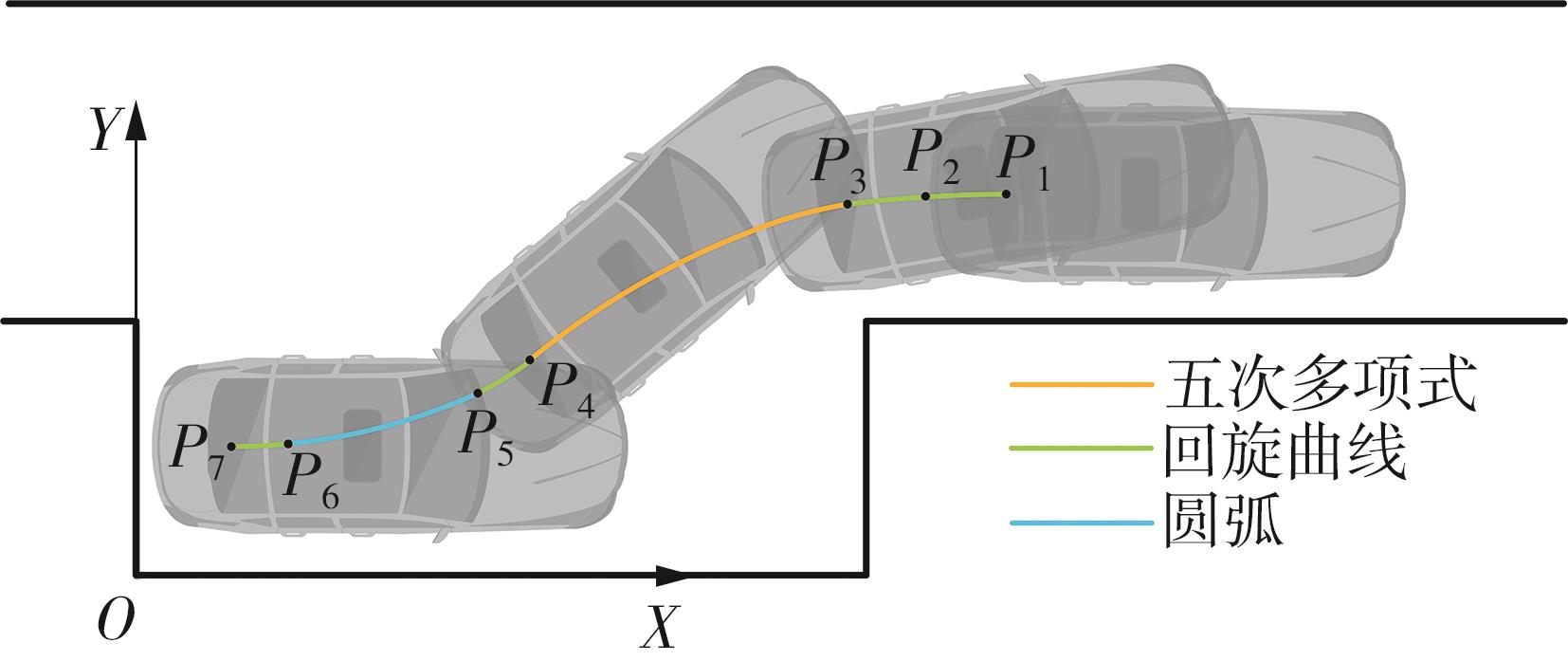
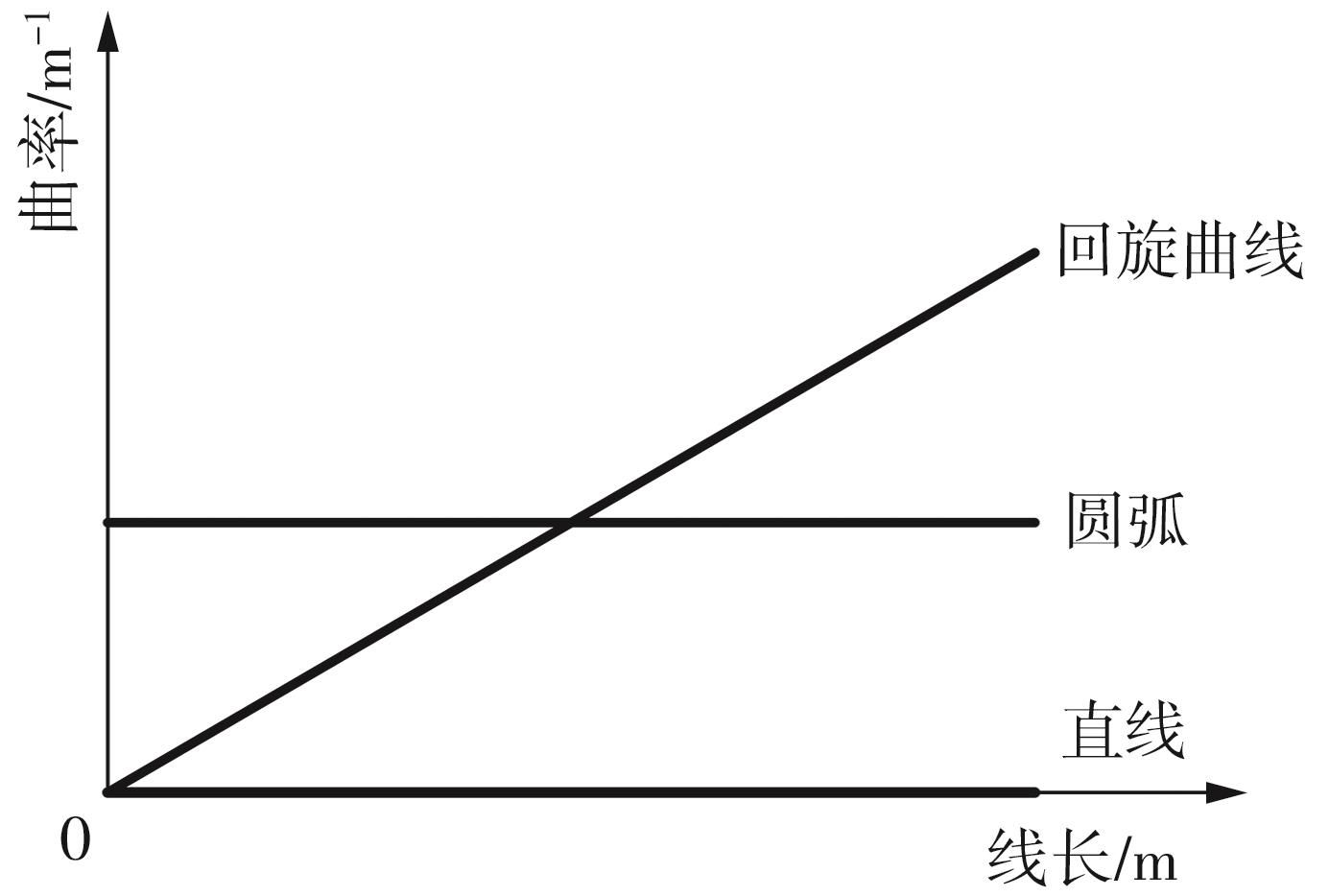
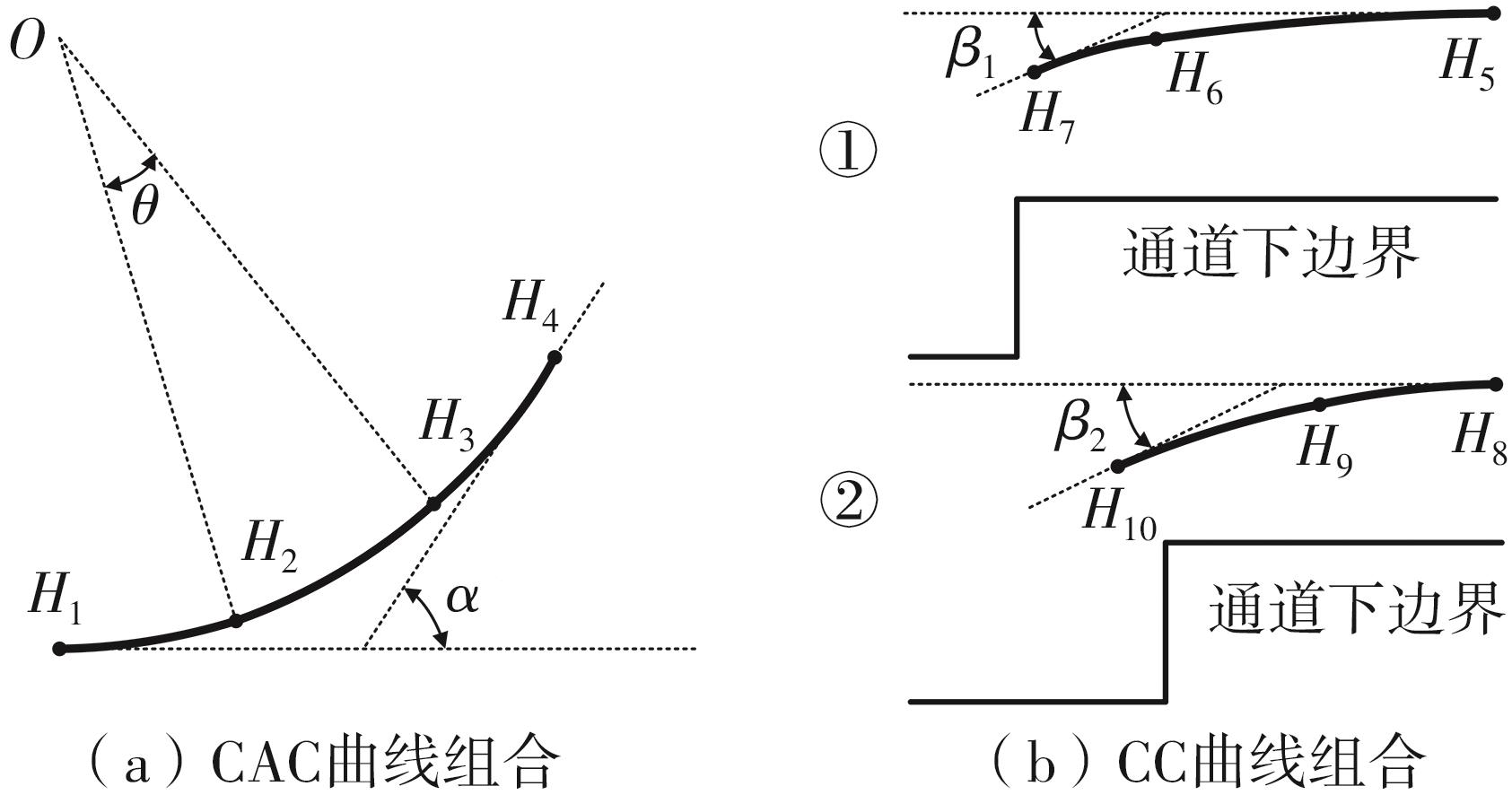
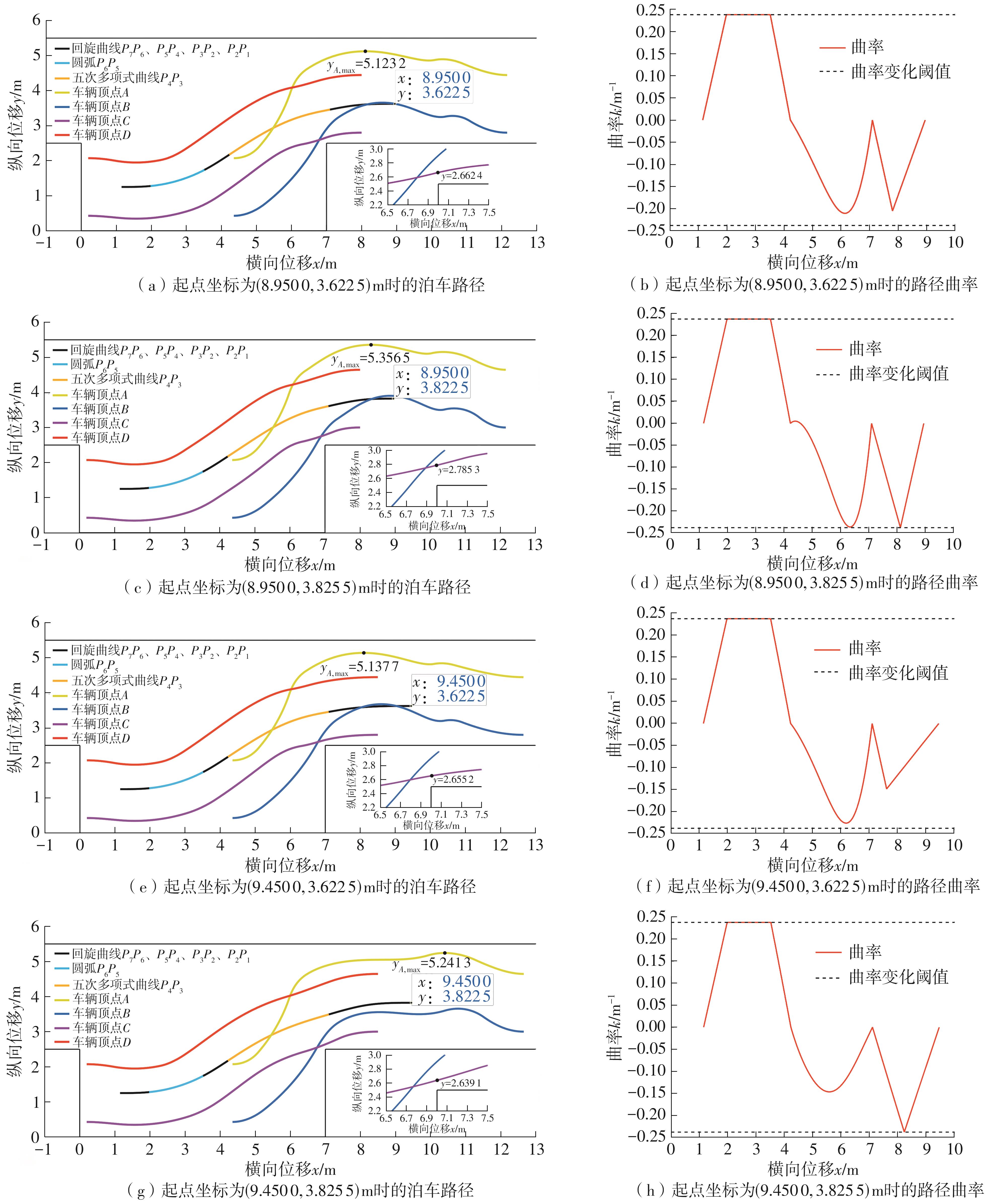
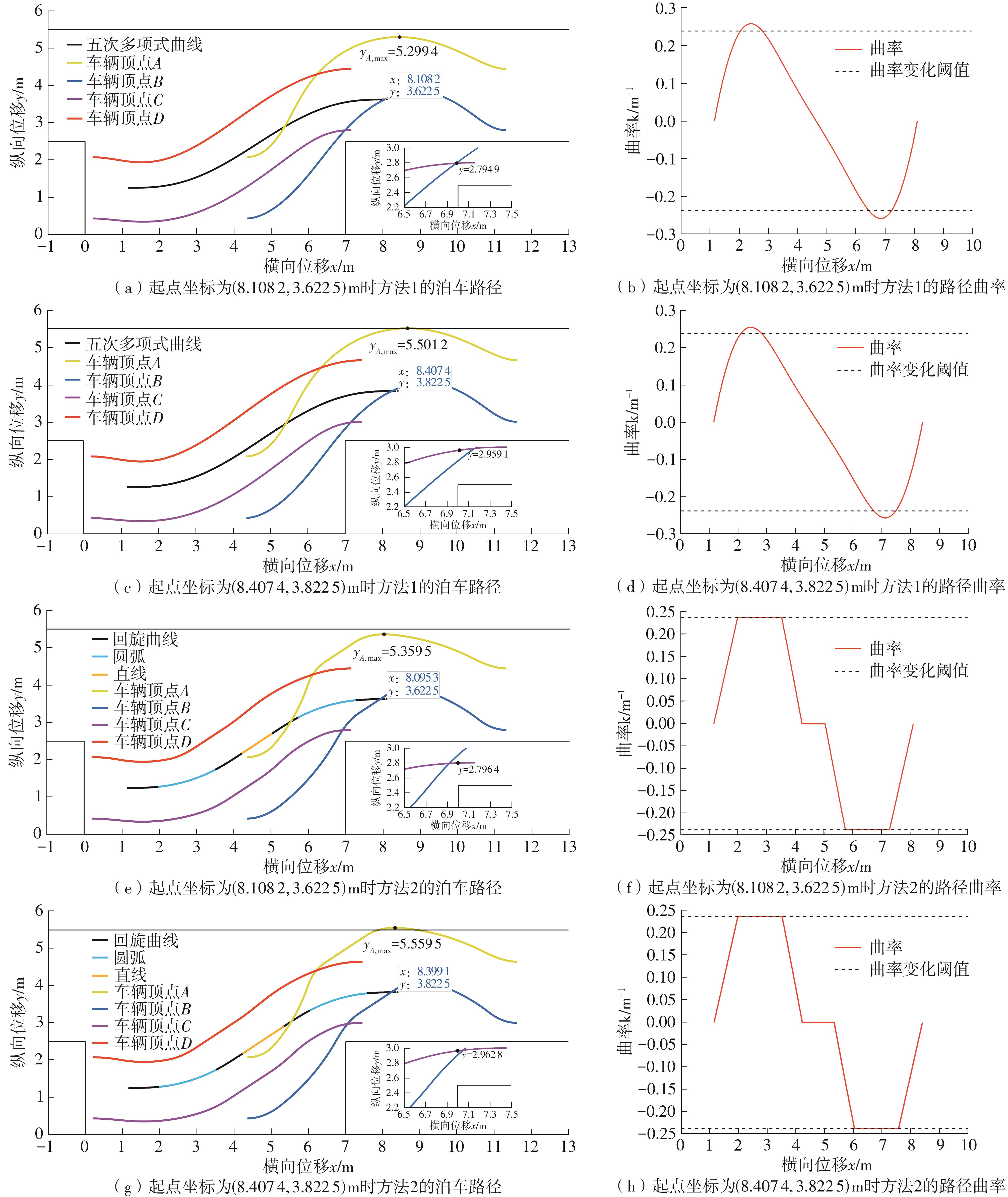
针对城市狭窄通道场景中平行泊车时存在的路径曲率突变、碰撞风险高及多次调整等问题,该文提出一种基于曲线组合与数值优化的三段式单步路径规划方法,以优化车辆的转向性能与动态避障能力,提升泊车效率和安全性。首先,基于圆弧与回旋曲线的曲率特性,设计CAC(回旋曲线‒圆弧‒回旋曲线)与CC(回旋曲线‒回旋曲线)两类曲线组合;然后,将泊车过程逆向化,采用CAC曲线组合设计终点段路径,再构建基于CC曲线组合的约束优化模型来规划起点段路径,并引入五次多项式曲线设计中间段路径;最后,采用Matlab在拟可行区域内进行多工况仿真试验。结果表明:该方法能够在通道宽度仅为3 m的狭窄场景中规划出无碰撞、曲率连续的可行路径,且占用的通道较窄;相较于五次多项式曲线和“圆弧‒回旋曲线‒直线”方法,该方法在路径平滑性、避障能力及空间利用率等方面均具有显著优势;模型预测控制跟踪实验显示,车辆能够精准跟踪规划路径且前轮转角连续变化,验证了该方法的有效性。所提出的三段式单步路径规划方法为狭窄通道场景中的平行泊车提供了高效、安全的解决方案,可提高泊车效率,从而有效缓解路边泊车造成的交通阻塞,对提升城市交通效率具有实际意义。

关键词: 自动泊车, 路径规划, 回旋曲线, 数值优化

Abstract:

To address the challenges of abrupt curvature changes, high collision risks, and repeated adjustments in parallel parking within narrow urban passages, this study proposes a three-segment one-step path planning method integrating curve combination and numerical optimization to enhance vehicle’s steering performance and dynamic obstacle avoidance capabilities, and to improve the parking efficiency and safety. Firstly, based on the curvature characteristics of arcs and spiral curves, two types of curve combinations, namely CAC (Clothoid Curve-Arc-Clothoid Curve) and CC (Clothoid Curve-Clothoid Curve), are designed. Secondly, the parking process is reversed, and the CAC curve combination is used to design the path of the end section. Then, a constrained optimization model based on the CC curve combination is constructed to plan the path of the starting section, and the middle section path is designed by introducing the quintic polynomial curve. Finally, multi-condition simulation tests are carried out in the quasi-feasible area through Matlab. The results show that the proposed method can plan a collision-free and continuously curved feasible path in a narrow scene with a channel width of only 3 meters, without occupying wide channel. Comparative analysis reveals significant advantages of the proposed method over quintic polynomial curve and arc-clothoid curve-straight methods in terms of path smoothness, obstacle avoidance and space utilization efficiency. Model predictive control validation confirms that the vehicle adopting the proposed method is of precise path tracking performance with continuous front-wheel steering angle changes. The proposed three-segment one-step path planning method provides an efficient and safe solution to narrow-space parallel parking, and effectively improves the parking efficiency, thus alleviating road congestion caused by roadside parking operations and improving urban traffic efficiency.

Key words: automatic parking, path planning, clothoid curve, numerical optimization

中图分类号: