华南理工大学学报(自然科学版) ›› 2025, Vol. 53 ›› Issue (11): 122-131.doi: 10.12141/j.issn.1000-565X.250070

• 车辆工程 • 上一篇    下一篇

面向净功率最大化的车载光伏系统气动性能优化

罗玉涛, 林志强   

  1. 华南理工大学 机械与汽车工程学院/广东省汽车工程重点实验室,广东 广州 510640
  • 收稿日期:2025-03-14 出版日期:2025-11-25 发布日期:2025-05-09
  • 作者简介:罗玉涛(1972—),男,教授,博士生导师,主要从事无人驾驶汽车和新能源汽车研究。E-mail: ctytluo@scut.edu.cn
  • 基金资助:
    广东省2024年省级制造业当家重点任务保障专项资金(先进电驱动系统研发及产业化应用)项目(穗工信函[2024]60号);广州市科技计划项目(2023B01J0016)

Aerodynamic Performance Optimization of Vehicle-Mounted Photovoltaic System for Net Power Maximization

LUO Yutao, LIN Zhiqiang   

  1. School of Mechanical and Automotive Engineering/Guangdong Provincial Key Laboratory of Automotive,South China University of Technology,Guangzhou 510640,Guangdong,China
  • Received:2025-03-14 Online:2025-11-25 Published:2025-05-09
  • About author:罗玉涛(1972—),男,教授,博士生导师,主要从事无人驾驶汽车和新能源汽车研究。E-mail: ctytluo@scut.edu.cn

  • Supported by:
    the Guangdong Province 2024 Industrial Infrastructure Reconstruction Project

摘要:

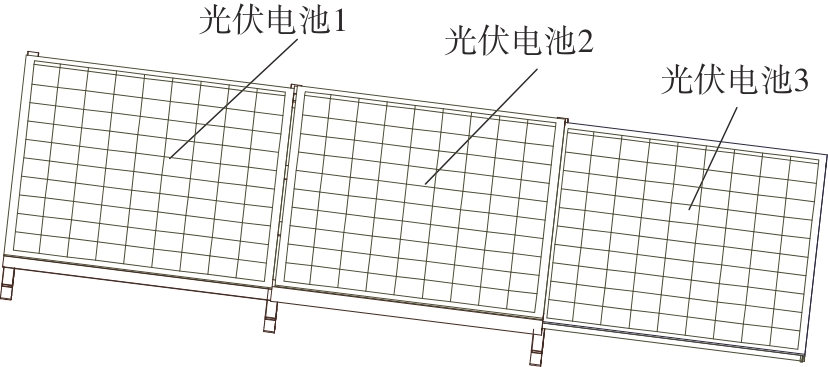
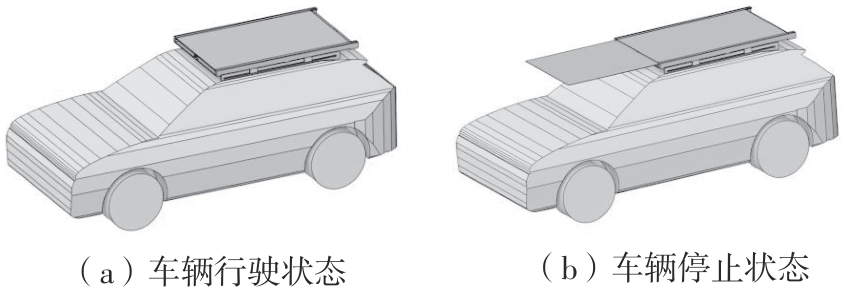
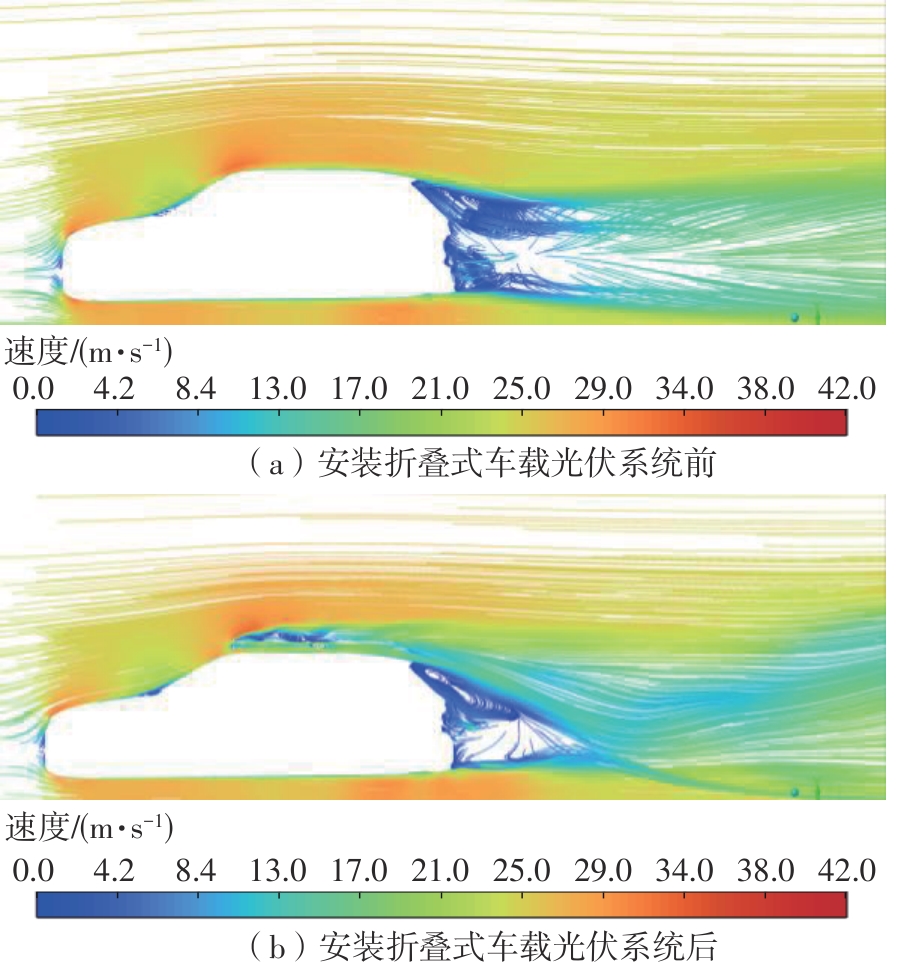
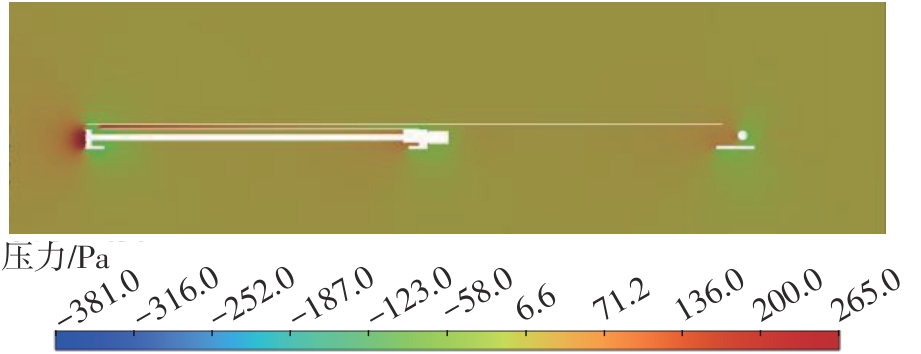
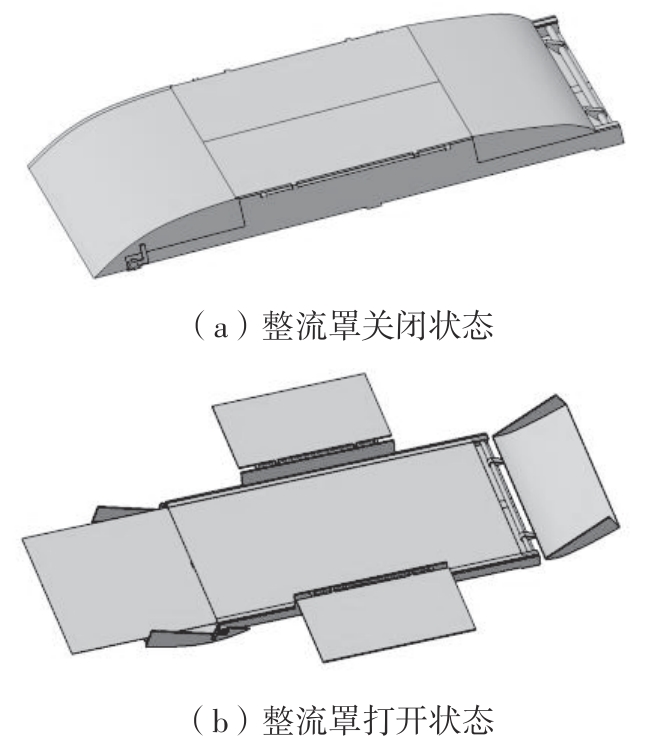
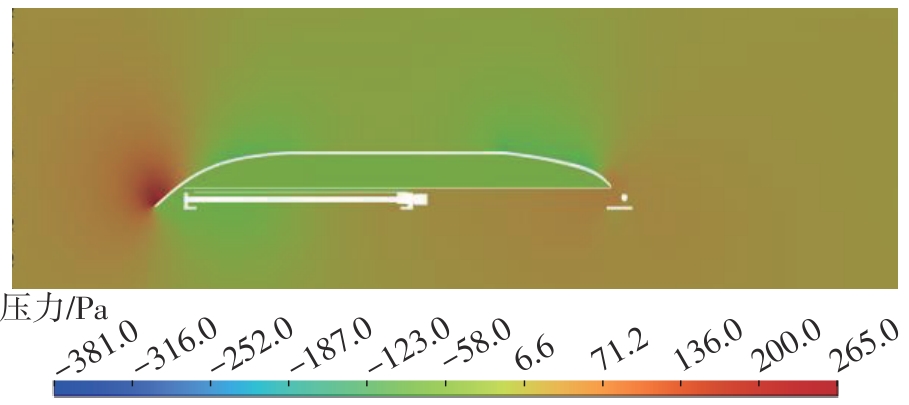
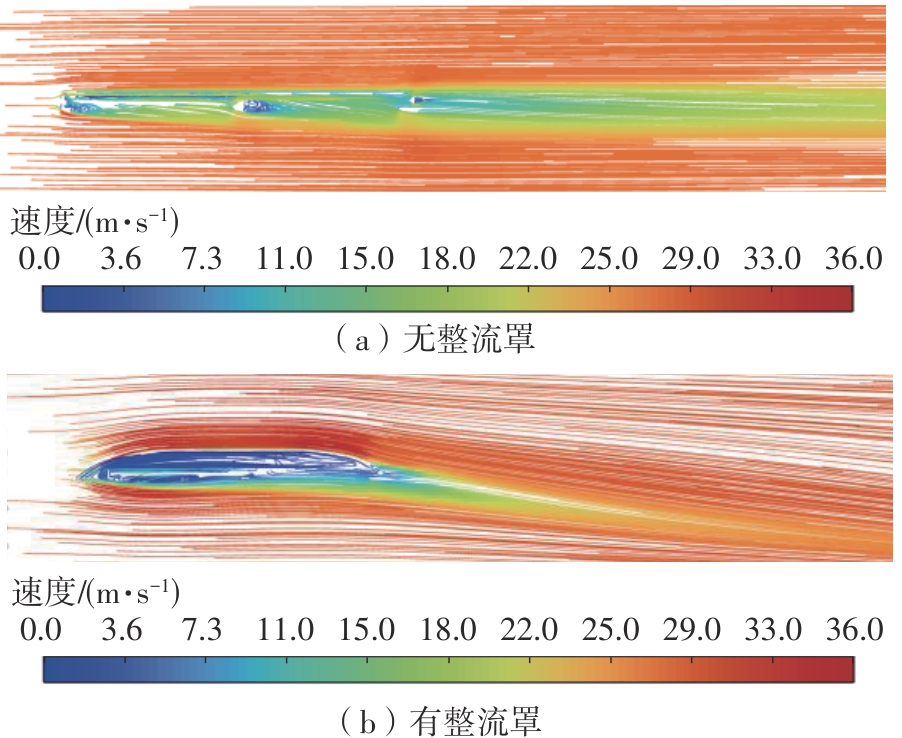
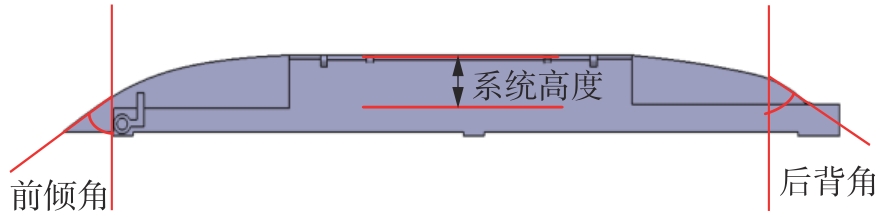
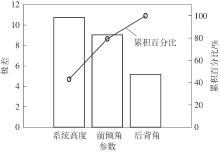
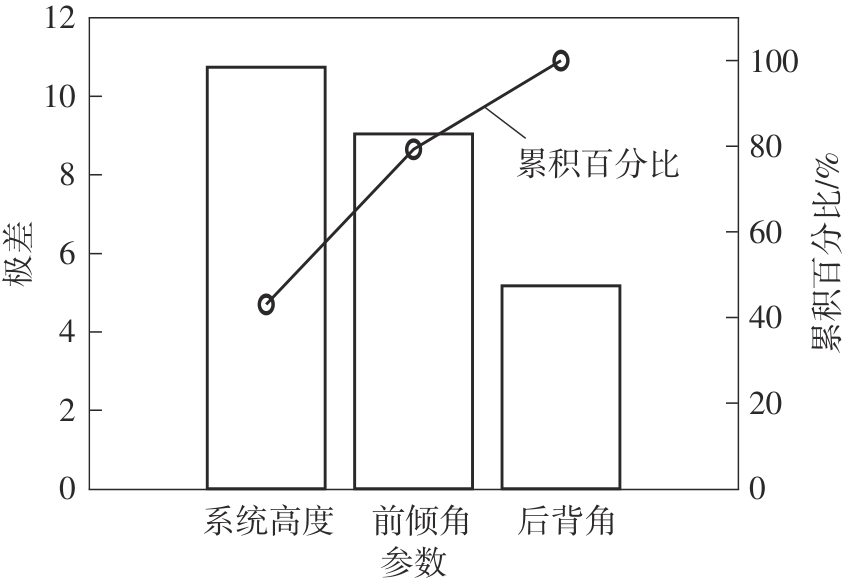
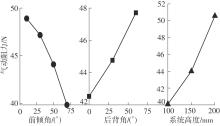
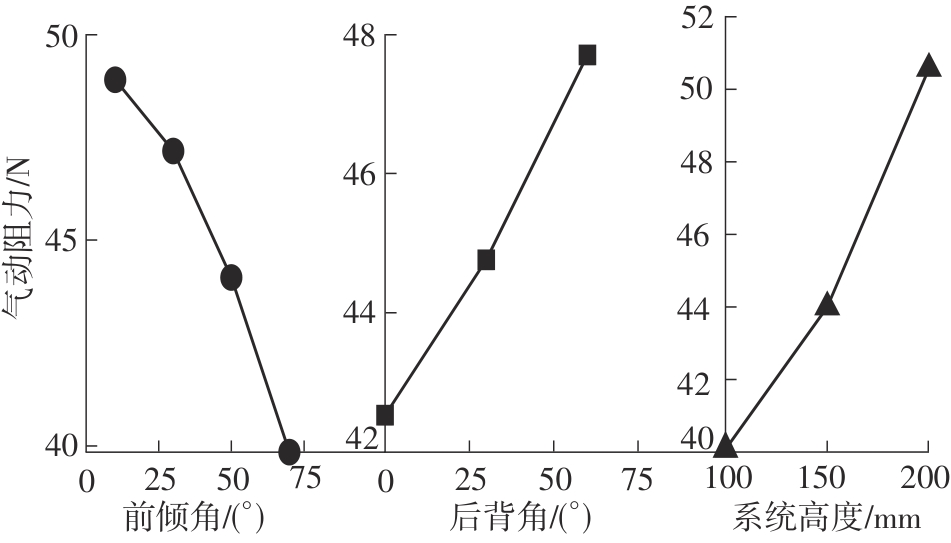
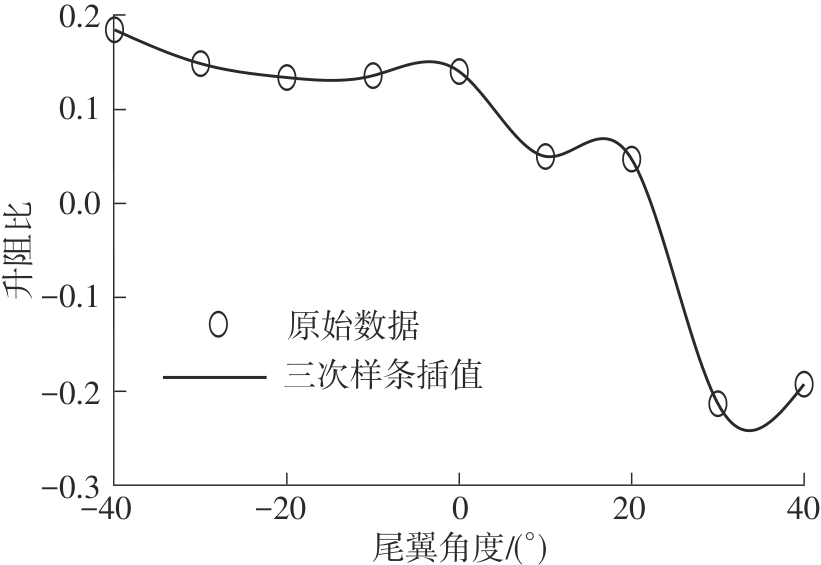
当前对车载光伏系统的研究多侧重于通过优化折叠机构增加光伏板安装面积来提升发电功率,忽视了发电功率与系统附加阻力能耗协同优化的问题。该文以提升车载光伏系统净功率为目标,通过优化车载光伏系统的气动性能,减小系统给车辆附加的阻力能耗,从而提升系统净功率。首先,以折叠式车载光伏系统为对象,设计了符合空气动力学原理的高透光率整流罩和车载光伏系统尾翼;然后,选取前倾角、后背角和系统高度3个设计变量对整流罩外形进行优化,通过构建正交试验方案,由极差分析得到3个设计变量对气动阻力的影响程度为系统高度 > 前倾角 > 后背角,由主效应图分析得3个参数对系统气动阻力的影响均具有单调性,由此确定整流罩外形结构参数为:前倾角70°,后背角0°,系统高度100 mm;进而,对车载光伏系统尾翼攻角进行优化,对实验数据构建三次样条插值近似模型,得到升阻比最优的尾翼攻角为33.96°。将安装了该文所提出的车载光伏系统的车辆与未安装该系统的车辆进行对比,发现空气阻力系数降幅达44.59%,气动阻力降幅达22.45%;升力系数降幅达226.15%,升力方向由向上转为向下,消除了气动升力向上给整车操控和安全性能带来的不利影响。与原始车辆模型对比,空气阻力系数降幅达17.35%,气动阻力仅增加3.14 N,基本消除了车载光伏系统对车辆气动性能的负面影响。该文还对优化前后的车载光伏系统净功率进行了对比和分析,发现所提出的优化方案可有效提升车载光伏系统在车辆行驶时的净发电功率,当车速为40.0 m/s时,净功率差达7 723.62 W。

关键词: 车载光伏系统, 气动性能优化, 净功率

Abstract:

The present researches on vehicle-mounted photovoltaic systems mainly focus on increasing the installation area of photovoltaic panels by optimizing the folding mechanism to enhance the power generation capacity, while neglecting the issue of the synergistic optimization of power generation capacity and the additional drag energy consumption of the system. To enhance the net power of vehicle-mounted photovoltaic systems, by optimizing the aerodynamic performance of the system, this paper presents a new methodology to reduce the additional drag energy consumption imposed by the system on the vehicle, and thereby to increase the net power of the system. Firstly, a foldable vehicle-mounted photovoltaic system was designated as the object, and a high-transmittance fairing and a tail wing that conform to the aerodynamic principle were designed. Subsequently, three design variables, namely the front tilt angle of the fairing, the back angle, and the system height, were selected to optimize the shape of the fairing. Through the construction of an orthogonal test scheme and the analysis of polar deviation, the influence degree of the three design variables on the system aerodynamic drag was obtained as system height > front tilt angle > back angle. From the analysis of the main effect plot, the three variables are found exhibiting monotonic effects on the aerodynamic drag of the system, thus determining the structural parameters of the fairing shape as follows: a front tilt angle of 70°, a back angle of 0°, and a system height of 100mm. Subsequently, the tail attack angle of the vehicle-mounted photovoltaic system was optimized, a cubic spline interpolation approximation model was constructed based on the experimental data, and the tail attack angle with optimal lift-to-drag ratio was obtained as 33.96°. In addition, the vehicles equipped with the on-board photovoltaic system proposed in this paper were compared with those without the system. It is found that the air resistance coefficient decreases by 44.59%, the aerodynamic resistance decreases by 22.45% and the lift coefficient decreases by 226.15%, and that the direction of the lift undergoes a transformation from upward to downward. This transformation serves to mitigate the adverse impact of upward aerodynamic lift on the handling and safety performance of the entire vehicle. A comparison of the original vehicle model with the modified version reveals a significant decrease of air resistance coefficient of 17.35% and a modest aerodynamic resistance increase of 3.14 N, which means that the modification effectively mitigates the adverse effects of the on-board photovoltaic system on vehicle’s aerodynamic performance. Finally, a comparison and analysis of the net power of the on-board photovoltaic system before and after the optimization was conducted. It is found that the proposed optimization scheme can effectively increase the net power generation of the vehicle-mounted photovoltaic system during vehicle operation. When the vehicle speed is 40.0 m/s, the net power difference reaches 7 723.62 W.

Key words: vehicle-mounted photovoltaic system, aerodynamic performance optimization, net power

中图分类号: