华南理工大学学报(自然科学版) ›› 2025, Vol. 53 ›› Issue (12): 82-93.doi: 10.12141/j.issn.1000-565X.250066

• 结构安全 • 上一篇    下一篇

无腹筋钢筋混凝土梁的剪切传力机制分析

付重阳, 熊二刚, 李思锋, 刘丰玮, 于佳仝   

  1. 长安大学 建筑工程学院,陕西 西安 710061
  • 收稿日期:2025-03-13 出版日期:2025-12-25 发布日期:2025-07-01
  • 通信作者: 熊二刚(1980—),男,博士,教授,主要从事混凝土结构抗震研究。 E-mail:x-e-g@163.com
  • 作者简介:付重阳(1999—),男,博士生,主要从事混凝土结构抗震研究。E-mail: fuchongyang123@163.com
  • 基金资助:
    陕西省自然科学基础研究计划项目(2025JC-YBMS-390);未来城市建设与管理创新联合研究中心揭榜挂帅基金项目(2024WHZ0225)

Analysis of Shear Force Transfer Mechanism of Reinforced Concrete Beams Without Stirrups

FU Chongyang, XIONG Ergang, LI Sifeng, LIU Fengwei, YU Jiatong   

  1. School of Civil Engineering,Chang’an University,Xi’an 710061,Shaanxi,China
  • Received:2025-03-13 Online:2025-12-25 Published:2025-07-01
  • Contact: 熊二刚(1980—),男,博士,教授,主要从事混凝土结构抗震研究。 E-mail:x-e-g@163.com
  • About author:付重阳(1999—),男,博士生,主要从事混凝土结构抗震研究。E-mail: fuchongyang123@163.com
  • Supported by:
    the Natural Science Basic Research Plan of Shaanxi Province(2025JC-YBMS-390)

摘要:

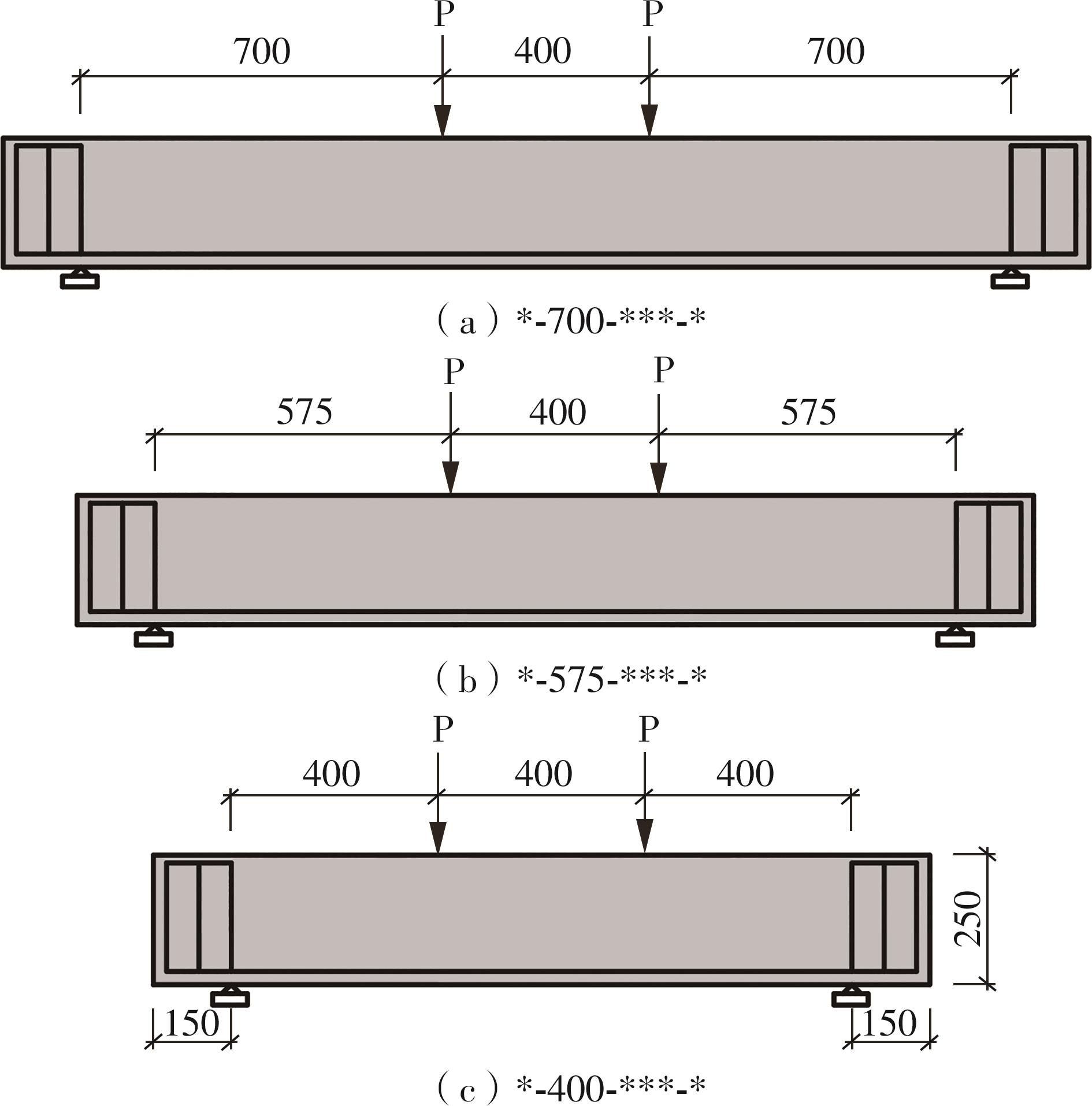
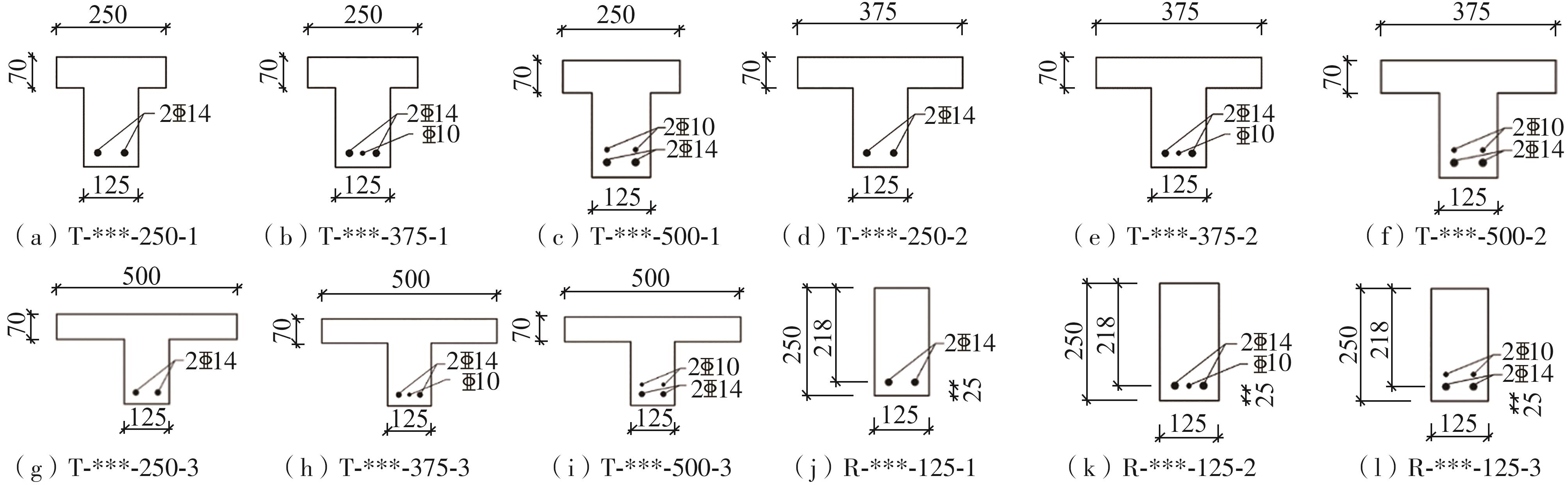
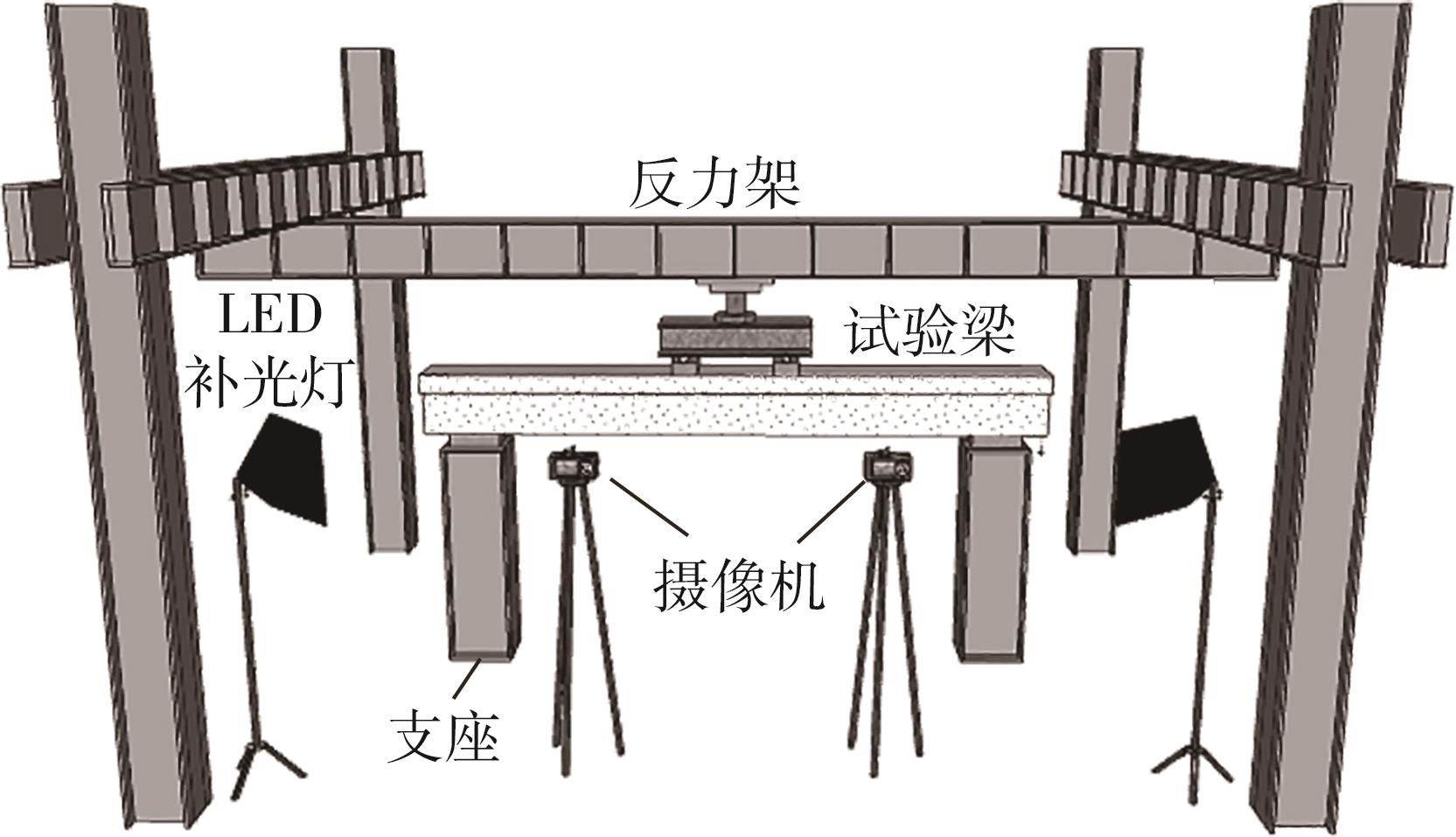
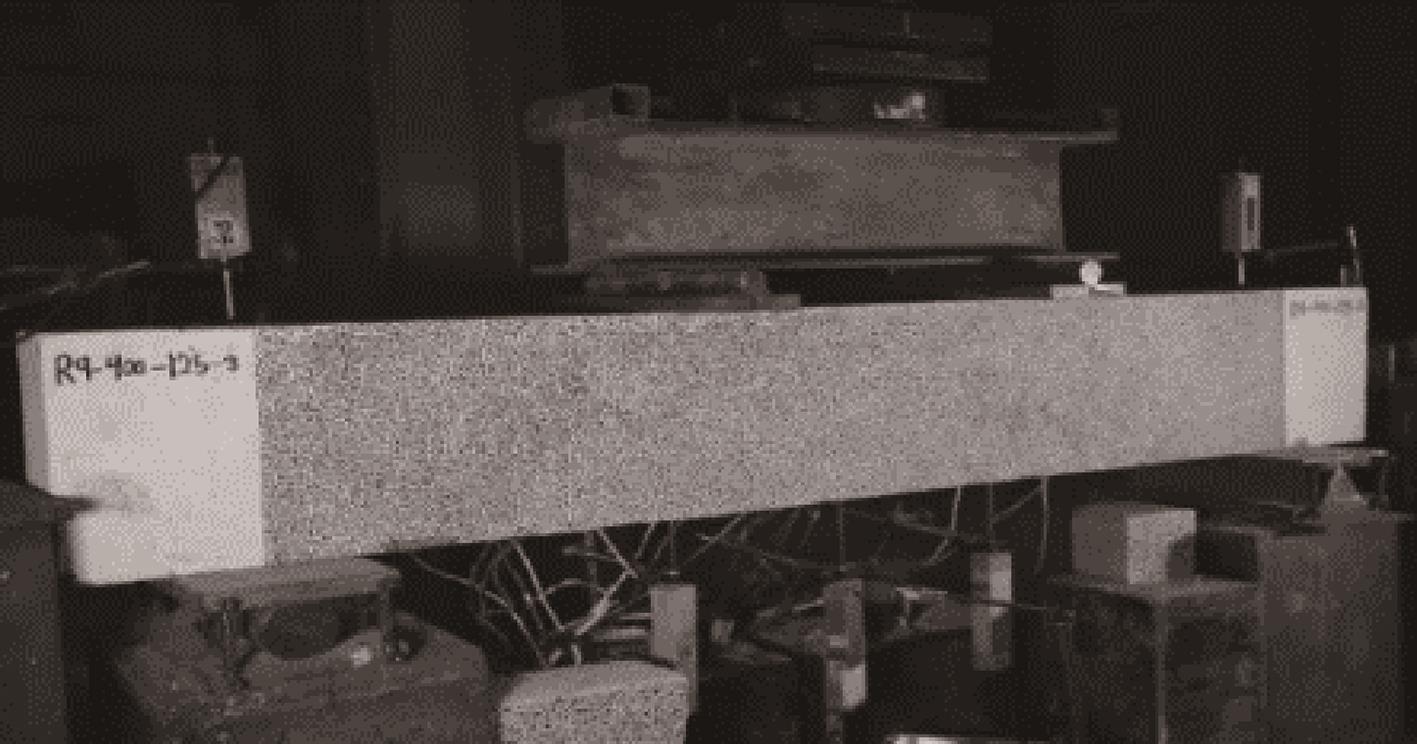
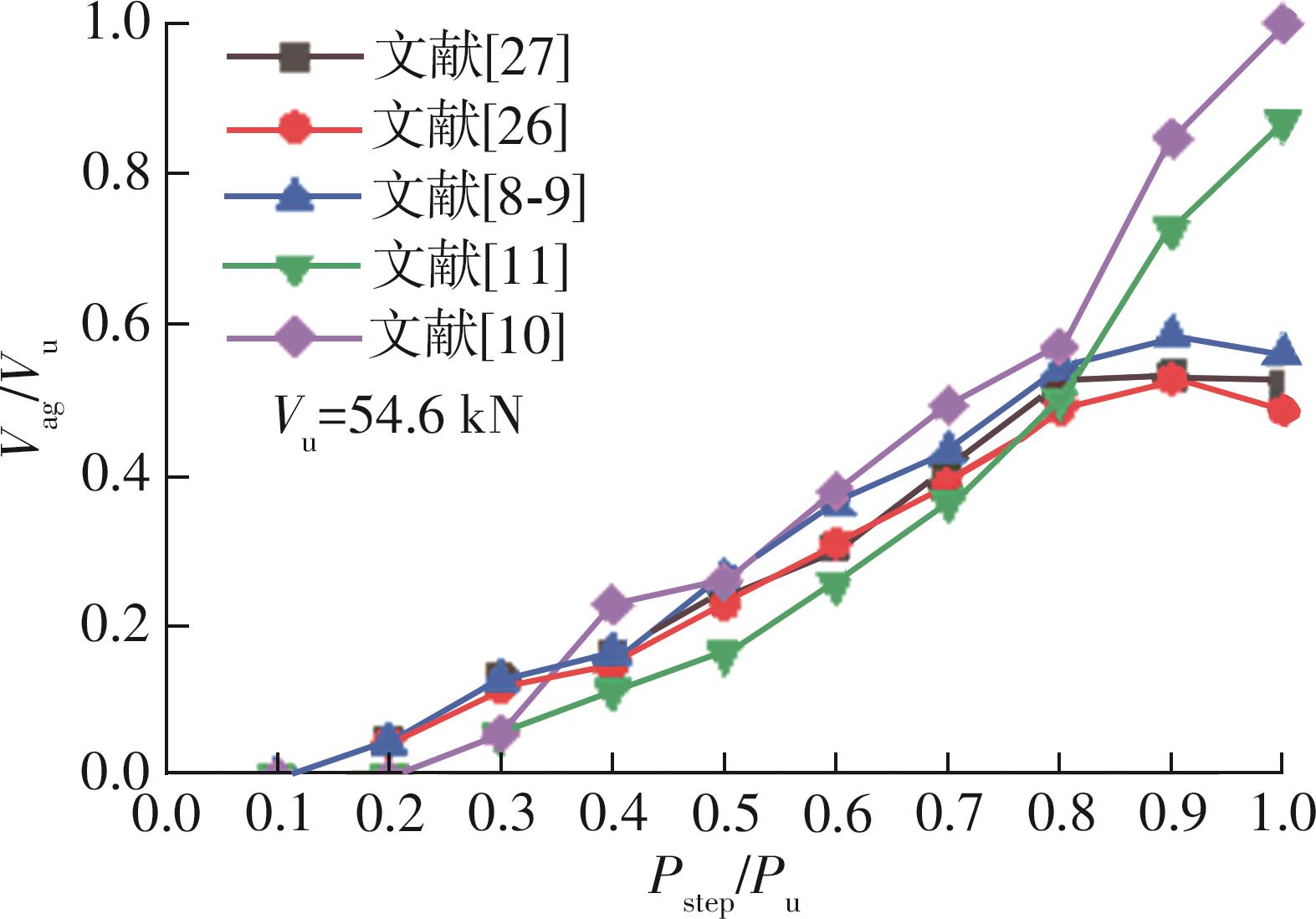
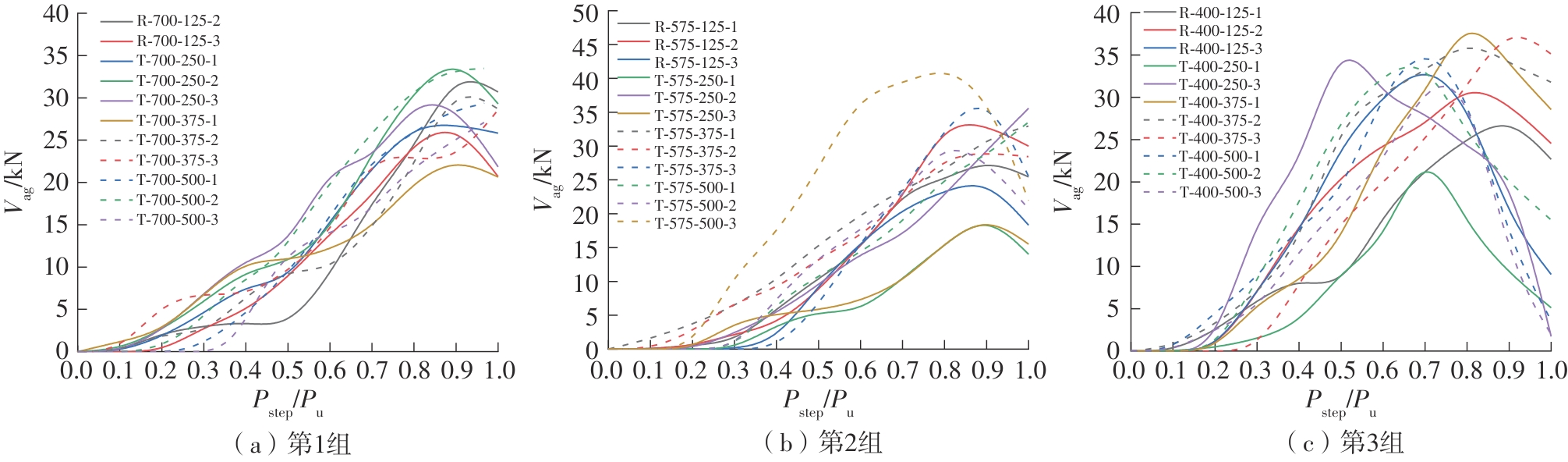
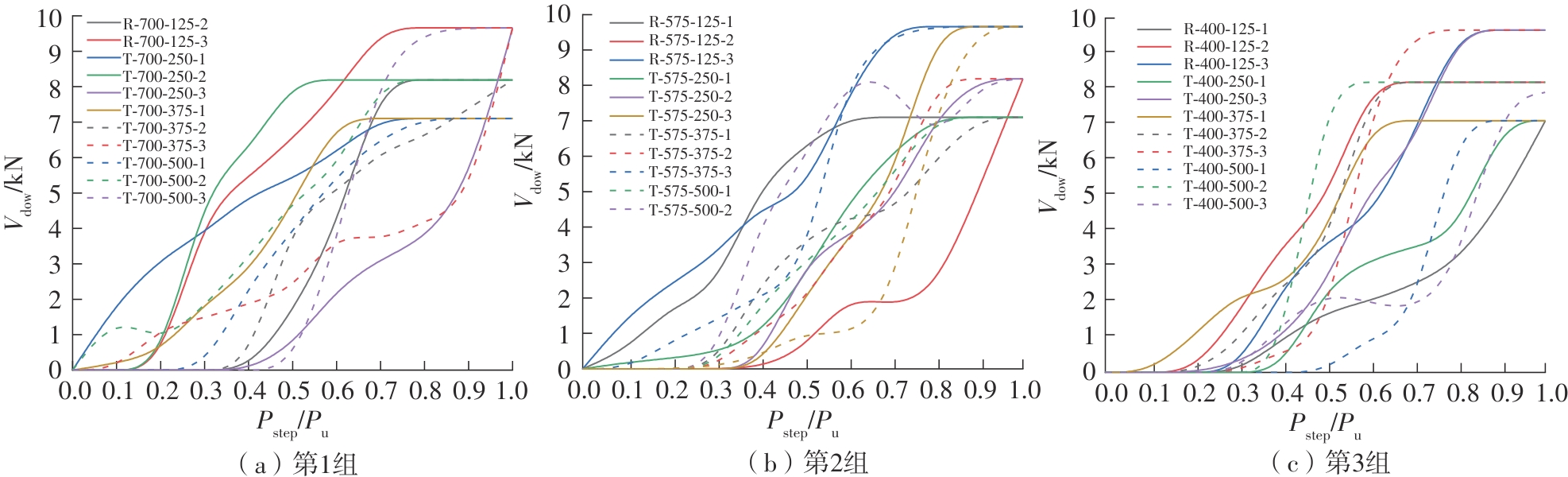
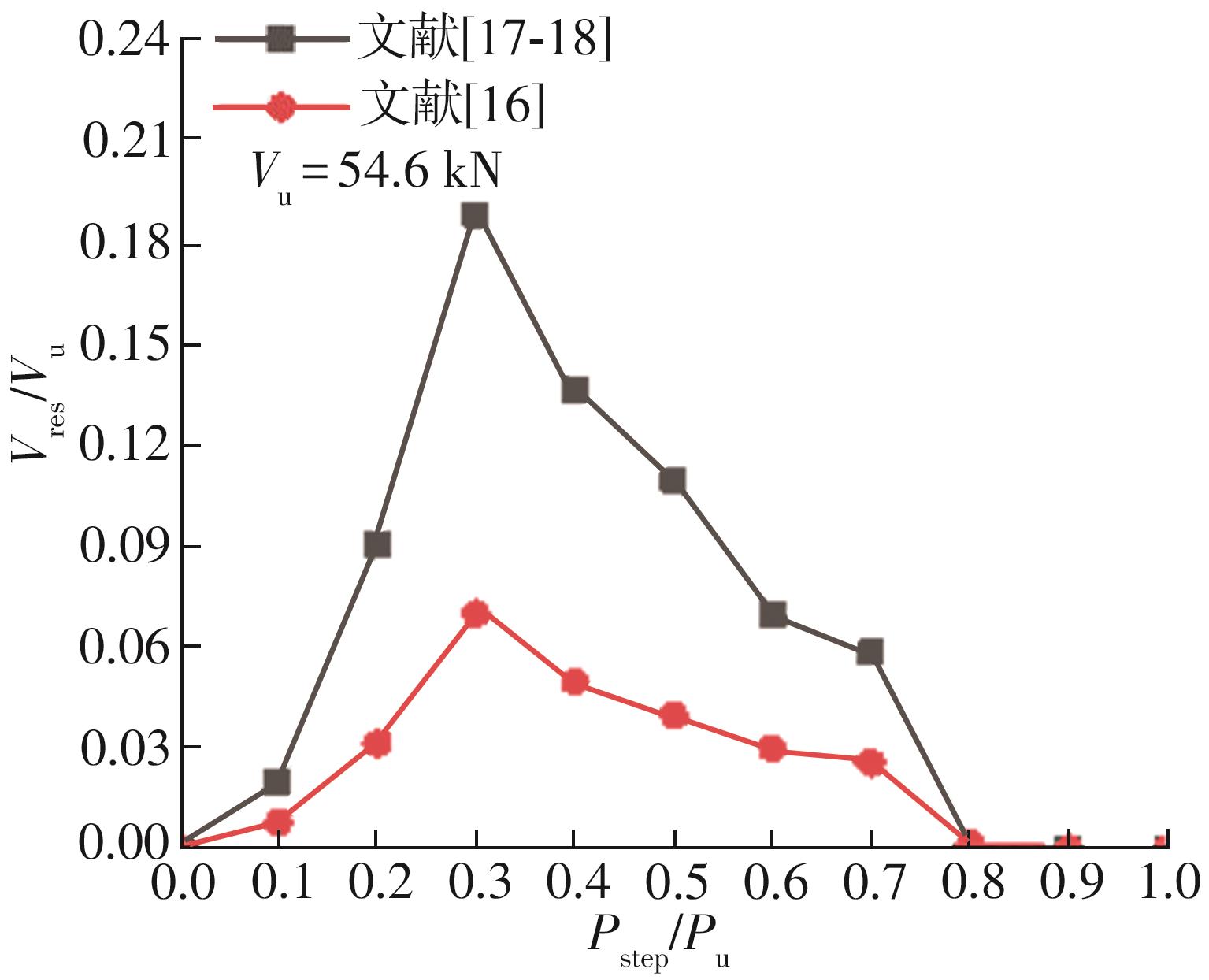
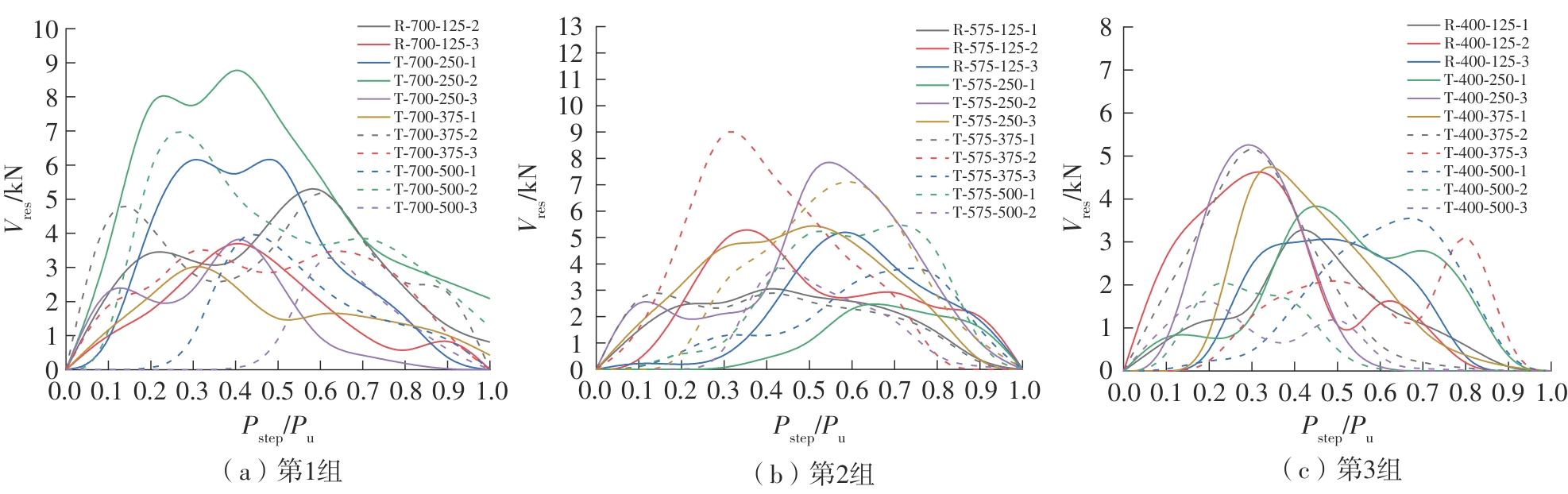
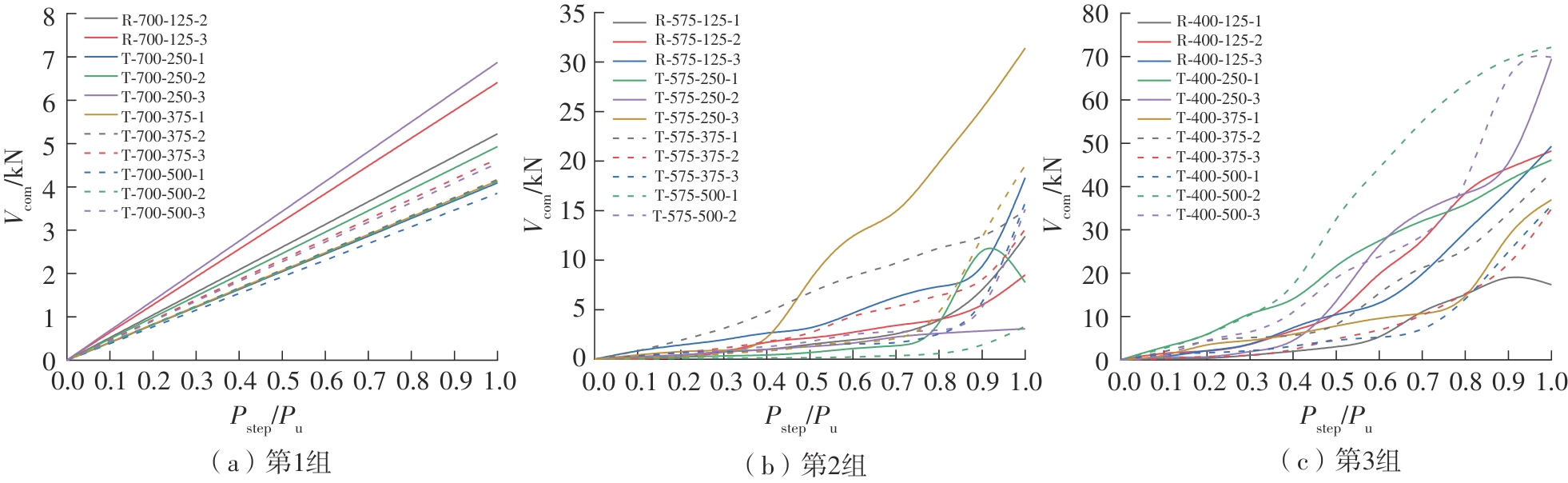
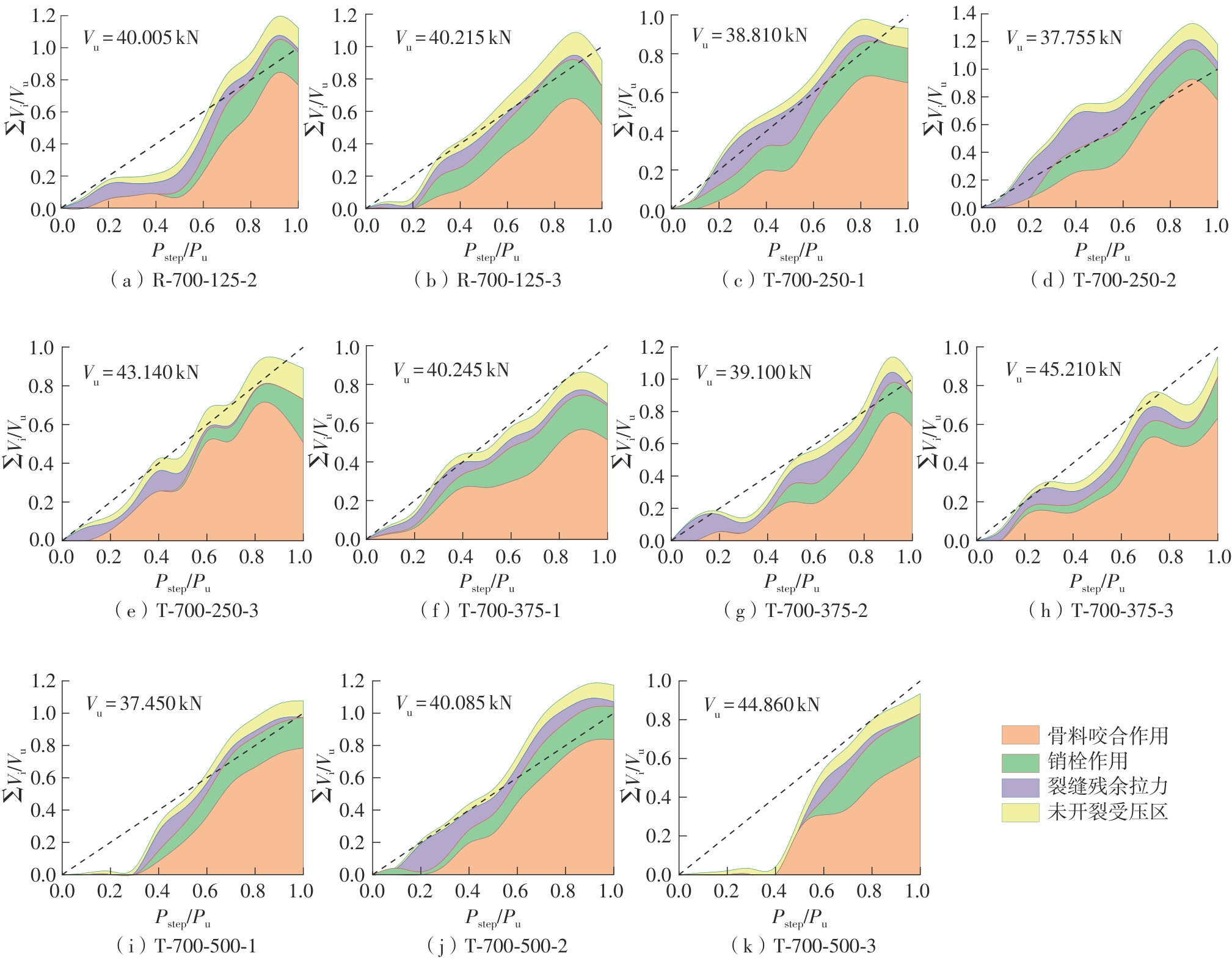
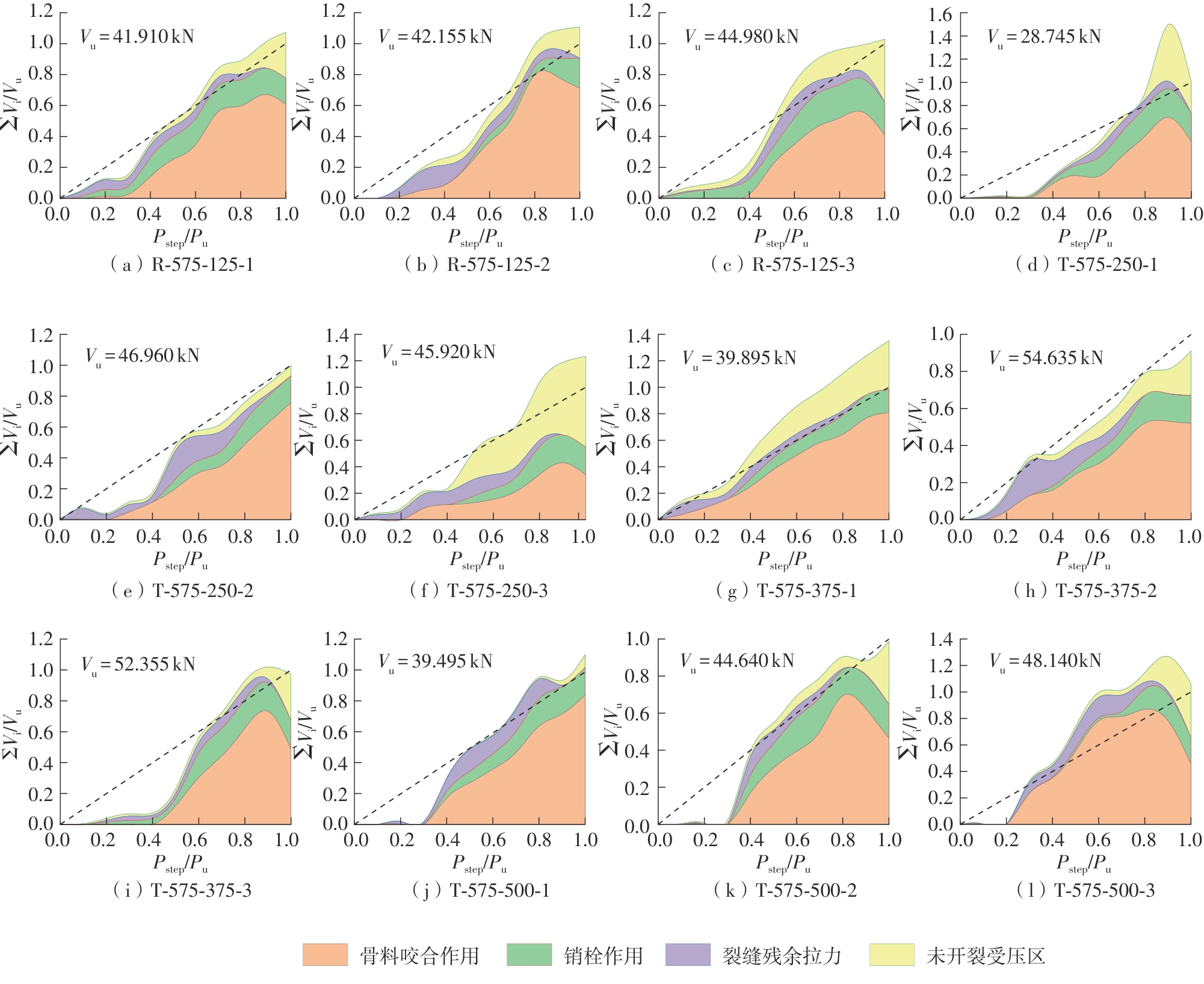
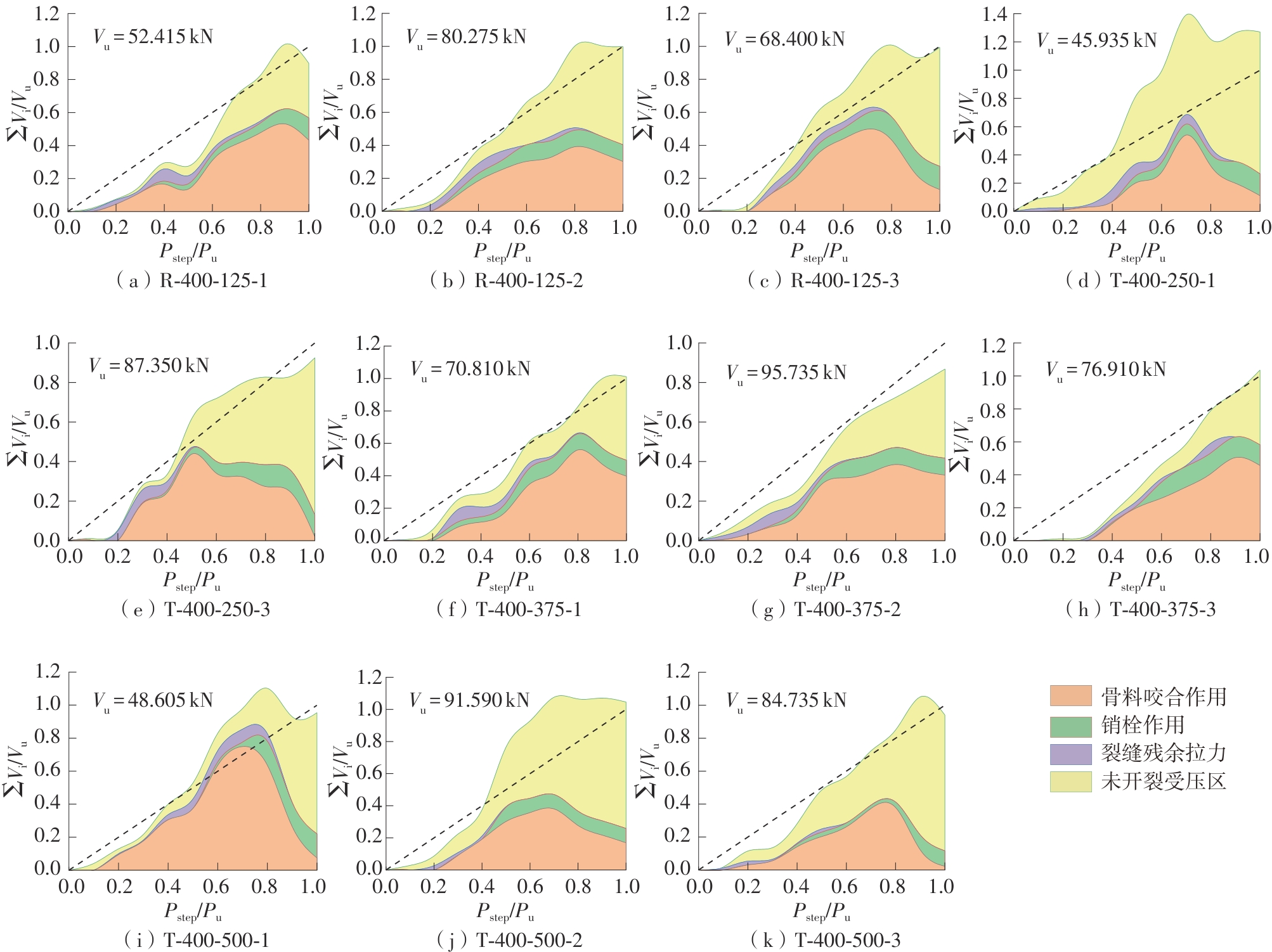
为探究无腹筋钢筋混凝土梁的剪切传力机制变化规律,设计并制作了9根矩形截面和27根T形截面的无腹筋钢筋混凝土梁,并对其进行了剪切破坏试验。采用数字图像相关技术(DIC)、位移计和应变片等设备对位移、应变等进行了采集,并绘制了临界剪切裂缝的运动学图像,最终计算得到了4种剪切传力机制(骨料咬合作用、销栓作用、裂缝残余应力、未开裂受压区)在加载全过程中的抗剪贡献,分析了各种剪切传力机制在加载过程中的变化。分析结果表明:剪切裂缝的数量、发展程度与高度对4种剪切传力机制存在复杂的耦合影响;骨料咬合作用基本在0.9 PuPu为峰值荷载)时达到最大,且骨料咬合作用的抗剪计算值随剪跨比变化不大,但随着剪跨比的减小,其贡献占比逐渐减小;销栓作用在加载全过程中较为稳定,但随着整体抗剪承载力的增大,占比也出现了一定程度的减小;裂缝残余应力的贡献主要体现在加载初期,且在达到最大荷载时,由于裂缝完全发展,该机制不再提供抗剪力;未开裂受压区的抗剪能力受较多因素影响,其中受剪跨比的影响最为明显,小剪跨比梁中受压区的抗剪能力可以达到大剪跨比梁的2倍以上;在最大荷载时,骨料咬合作用为较大剪跨比梁中最主要的剪切传力机制,但随剪跨比的减小,未开裂受压区的抗剪能力快速增加,成为最主要的剪切传力机制。

关键词: 无腹筋钢筋混凝土梁, 剪切破坏, 骨料咬合作用, 销栓作用, 裂缝残余应力, 未开裂受压区

Abstract:

To investigate the variation in shear force transfer mechanisms of reinforced concrete (RC) beams without stirrups, 9 rectangular-section and 27 T-section RC beams without stirrups were designed, fabricated, and tested. Displacements and strain data were collected using digital image correlation (DIC), displacement transdu-cers, and strain gauges. Kinematic images of critical shear cracks were plotted, and the contributions of four shear transfer mechanisms—aggregate interlock, dowel action, residual tensile stress across cracks, and shear resistance of the uncracked compression zone—were quantified throughout the loading process. The evolution of these mechanisms during loading was analyzed. The results indicate that the number, development, and height of shear cracks exhibit a complex coupling effect on the four shear force transfer mechanisms; aggregate interlock generally reaches its maximum contribution at approximately 0.9 Pu (where Pu is the peak load), and its calculated shear resistance varies little with the shear-span ratio; however, its proportional contribution decreases as the shear-span ratio decreases; dowel action remains relatively stable throughout loading, yet its relative contribution diminishes as the overall shear capacity increases. Residual tensile stresses across cracks contribute primarily in the early loading stage and diminish to zero at peak load due to full crack development. The shear capacity provided by the uncracked compression zone is influenced by multiple factors, most notably the shear-span ratio—the shear capacity in beams with small shear-span ratios can be more than twice that in beams with large shear-span ratios. At peak load, aggregate interlock is the dominant shear force transfer mechanism in beams with larger shear-span ratios. However, as the shear-span ratio decreases, the contribution of the uncompressed concrete zone increases rapidly and becomes the predominant mechanism.

Key words: reinforced concrete beams without stirrups, shear failure, aggregate interlock, dowel action, residual tensile stress across cracks, uncracked compression zone

中图分类号: